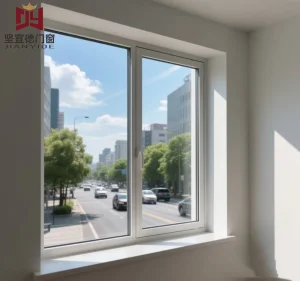
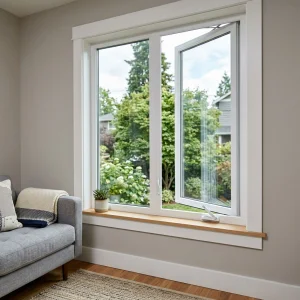
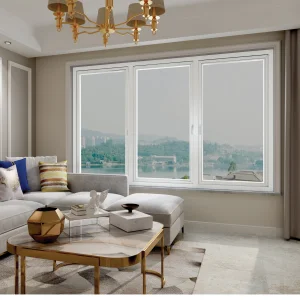
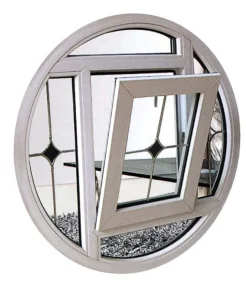
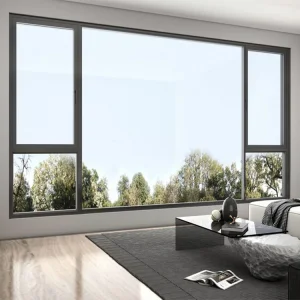
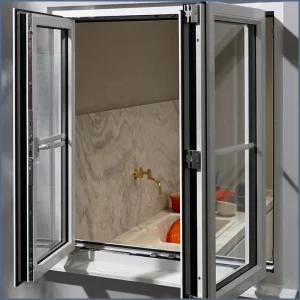
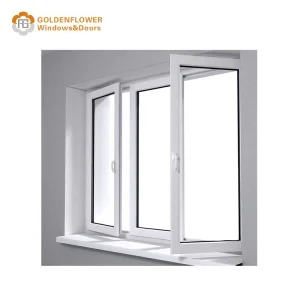
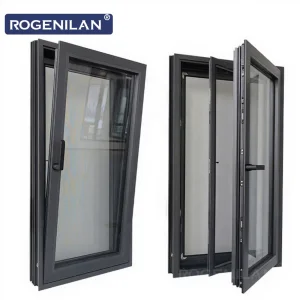
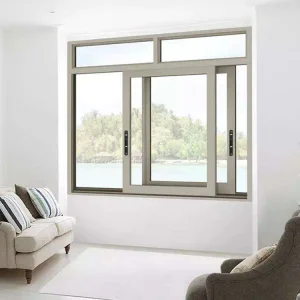
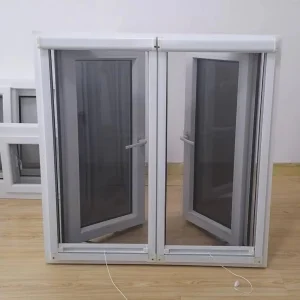
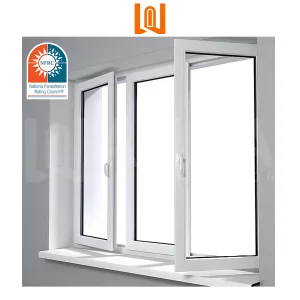
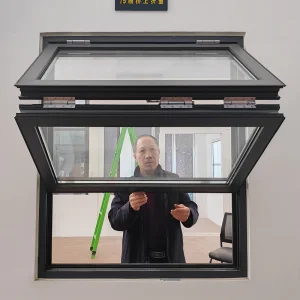
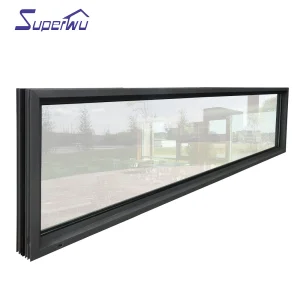
The Brazilian construction sector is undergoing a massive transformation. As urban centers like São Paulo, Rio de Janeiro, and Curitiba face increasing noise pollution and energy costs, the demand for uPVC (Unplasticized Polyvinyl Chloride) casement windows has skyrocketed. Unlike traditional aluminum frames, uPVC offers superior thermal insulation, which is critical in Brazil’s diverse climate—from the tropical heat of the North to the temperate South.
In the Brazilian market, "Esquadrias de uPVC" (uPVC frames) have moved from a luxury niche to a mainstream standard. The adoption of NBR 10821 (the Brazilian technical standard for external windows) has pushed manufacturers to provide higher air permeability and water-tightness ratings. Industrial complexes in the Southern regions are now utilizing uPVC casement windows for their chemical resistance and low maintenance requirements, specifically in coastal industrial zones where salt spray corrodes traditional metal frames within years.
Globally, the fenestration industry is pivoting toward sustainability. uPVC windows are 100% recyclable and require significantly less energy to produce than aluminum. European and North American developers are setting the pace, but Brazil is quickly catching up, driven by ESG (Environmental, Social, and Governance) mandates in large-scale commercial real estate projects. uPVC casement windows provide the necessary U-Value ratings to achieve LEED and AQUA-HQE certifications in South America.
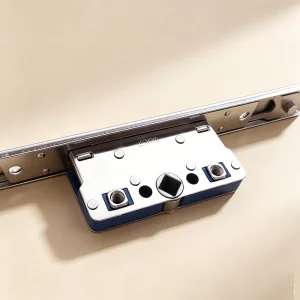
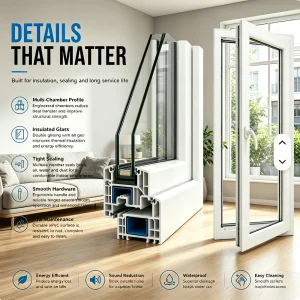
Designed to withstand Brazil's tropical storm seasons, our uPVC casement windows feature reinforced steel cores and multi-point locking mechanisms for ultimate safety.
Utilizing triple-glazing technology, our windows can reduce noise levels by up to 45dB, making them perfect for high-density residential developments in São Paulo.
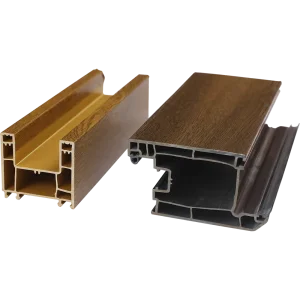
Low-E glass coatings and multi-chambered profiles ensure that interiors remain cool in summer and warm in winter, significantly reducing HVAC energy consumption.
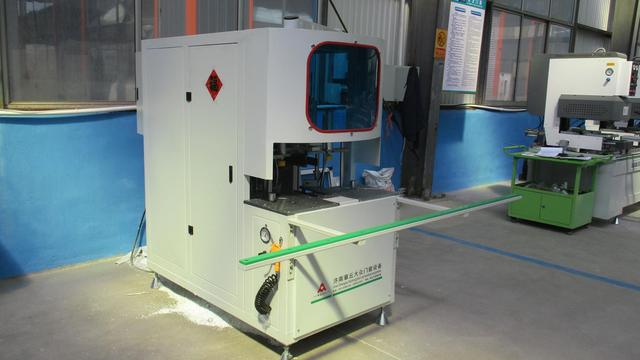
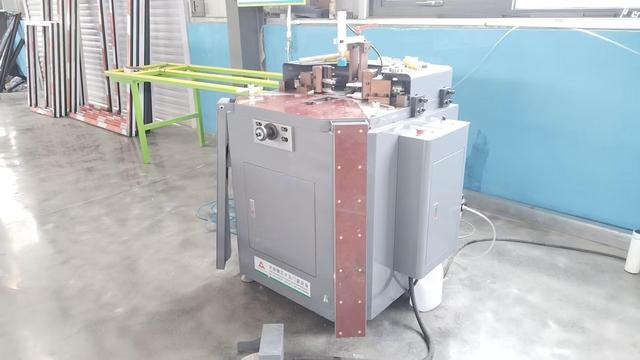
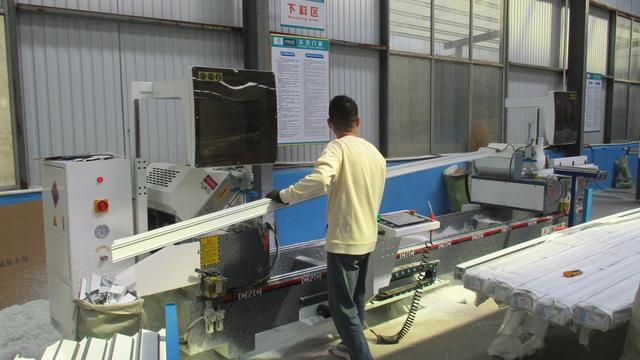
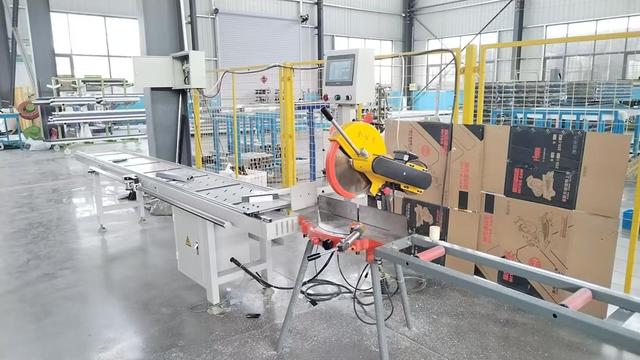
Shenzhen Nova Panel Co., Ltd. represents the pinnacle of Chinese manufacturing efficiency. Since 2011, we have optimized our production lines to meet the rigorous demands of the global market. Our 12,000 square meter facility in Shenzhen utilizes AI-driven precision cutting and automated welding to ensure that every window frame is accurate to within 0.1mm.
Shenzhen Nova Panel Co., Ltd. is a professional uPVC Window Manufacturer specializing in energy-efficient window systems, custom architectural glazing solutions, and OEM/ODM production services for residential, commercial, and construction projects worldwide. Established in 2011, the company is headquartered in Shenzhen, China.
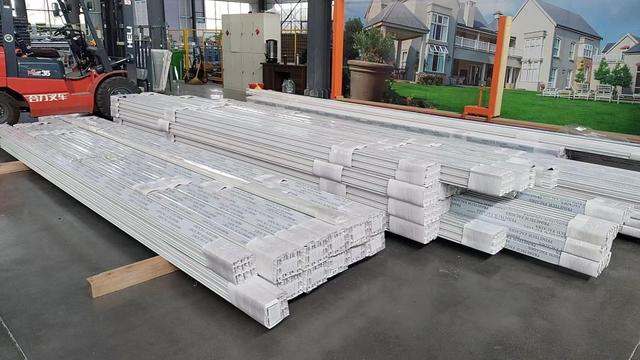
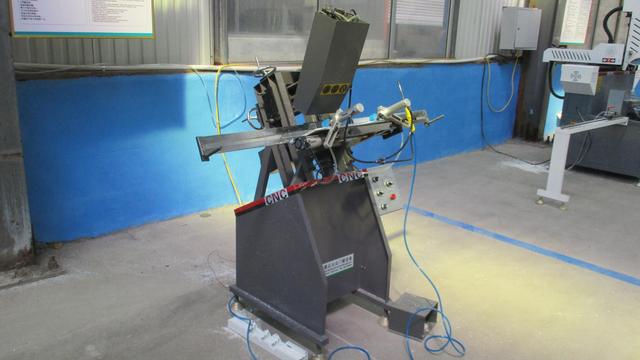
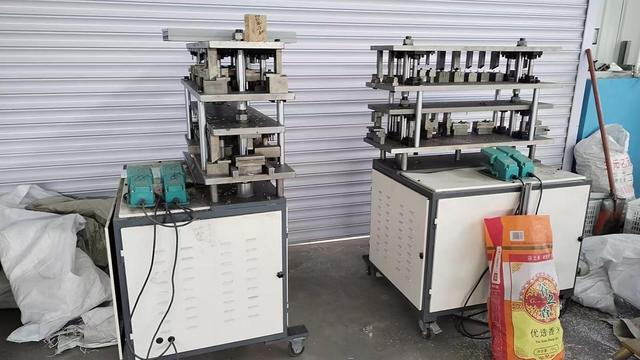
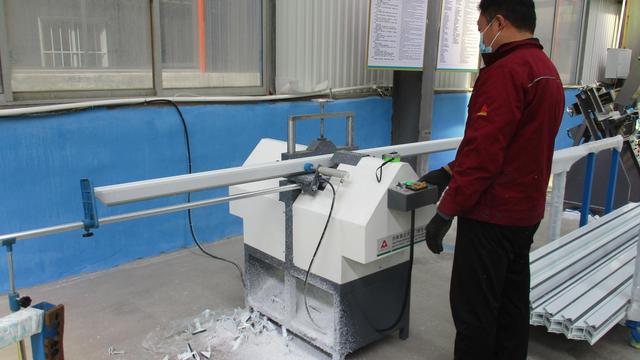
Equipped with advanced extrusion processing, precision cutting, automated welding, and quality inspection systems, Nova Panel maintains strict manufacturing standards throughout every stage of production. The company emphasizes durability, weather resistance, energy efficiency, and long-term performance to support sustainable building practices and improve indoor comfort.
When sourcing uPVC windows for large-scale developments in Brazil, procurement officers must prioritize several key factors to ensure long-term ROI and compliance:
Ensure that the products meet both international ISO standards and Brazil’s NBR 10821 performance levels for structural wind loading.
Our proximity to the Port of Shenzhen allows for streamlined shipping to major Brazilian ports like Santos and Paranaguá, with optimized container loading to prevent transit damage.
From tropical bronze tints to specific Brazilian hardware preferences, Nova Panel offers full customization to match local architectural aesthetics.
While aluminum is common in Brazil, uPVC provides much better thermal and acoustic insulation. In a noisy city like São Paulo, uPVC casement windows can significantly improve the quality of life for residents by blocking traffic noise and reducing air conditioning costs by up to 30%.
Absolutely. uPVC is a non-corrosive material. Unlike metal frames, it will not rust, pit, or flake when exposed to the salty air of Rio's coastal regions. This makes it the most durable choice for beachfront properties.
Typically, production takes 15-25 days depending on the order volume. Shipping from Shenzhen to the Port of Santos usually takes 35-45 days. We provide all necessary documentation for Brazilian customs clearance.
Yes, we offer a wide range of hardware, including 304 stainless steel gears and multi-point locking systems that are preferred in the Brazil market for both security and aesthetic reasons.
Yes. Brazil has high UV radiation. Our uPVC profiles are specially formulated with high concentrations of Titanium Dioxide (TiO2) to prevent yellowing and embrittlement, ensuring they stay white and strong for decades under the Brazilian sun.
Consult with our SEO-driven engineering team for a detailed quote and technical consultation.
 Nova Panel