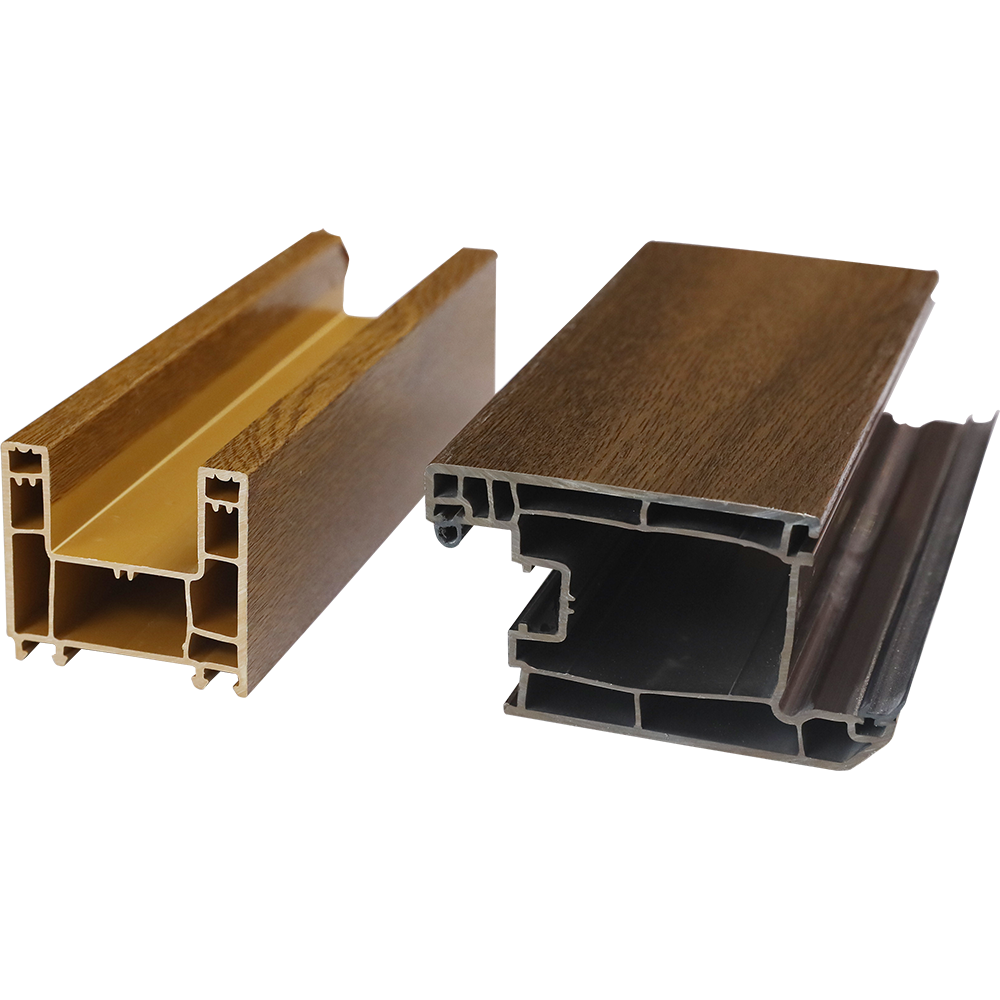
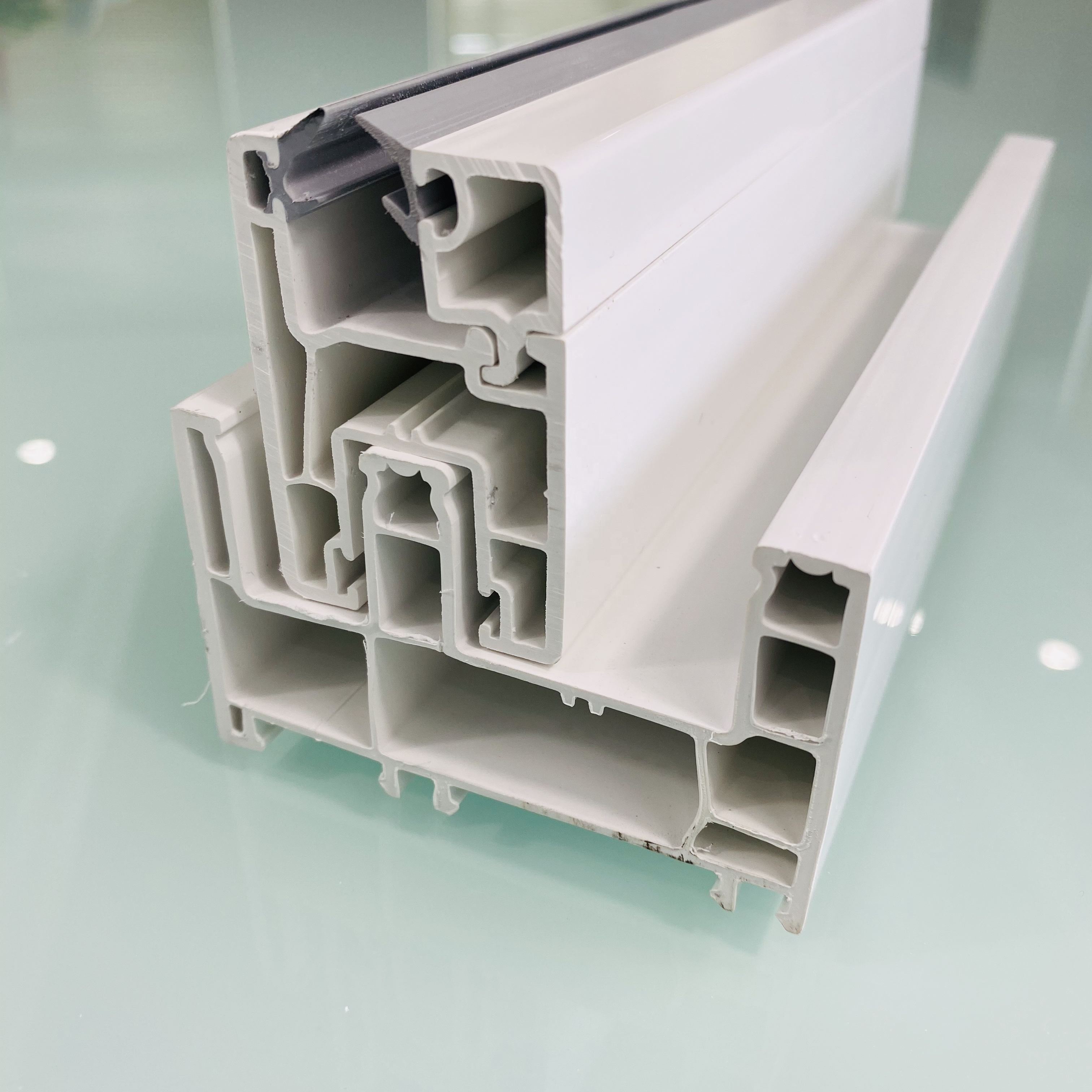
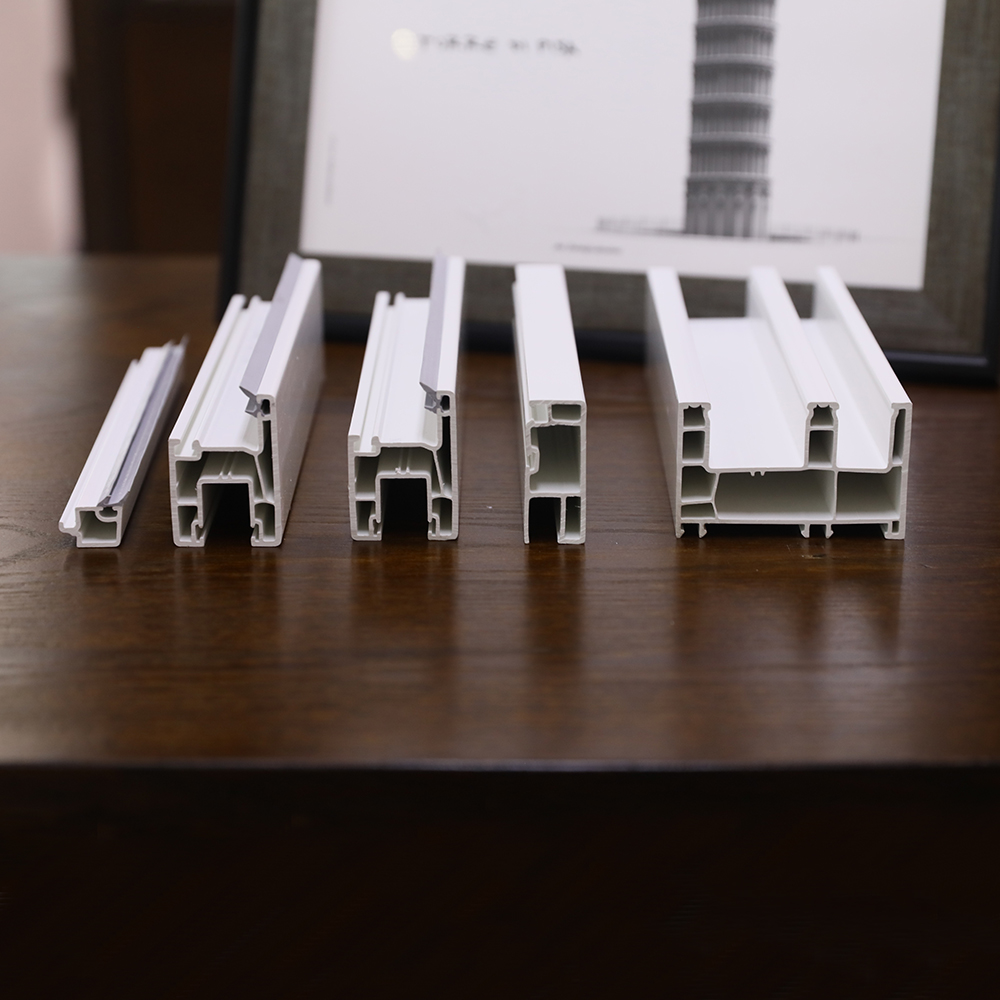
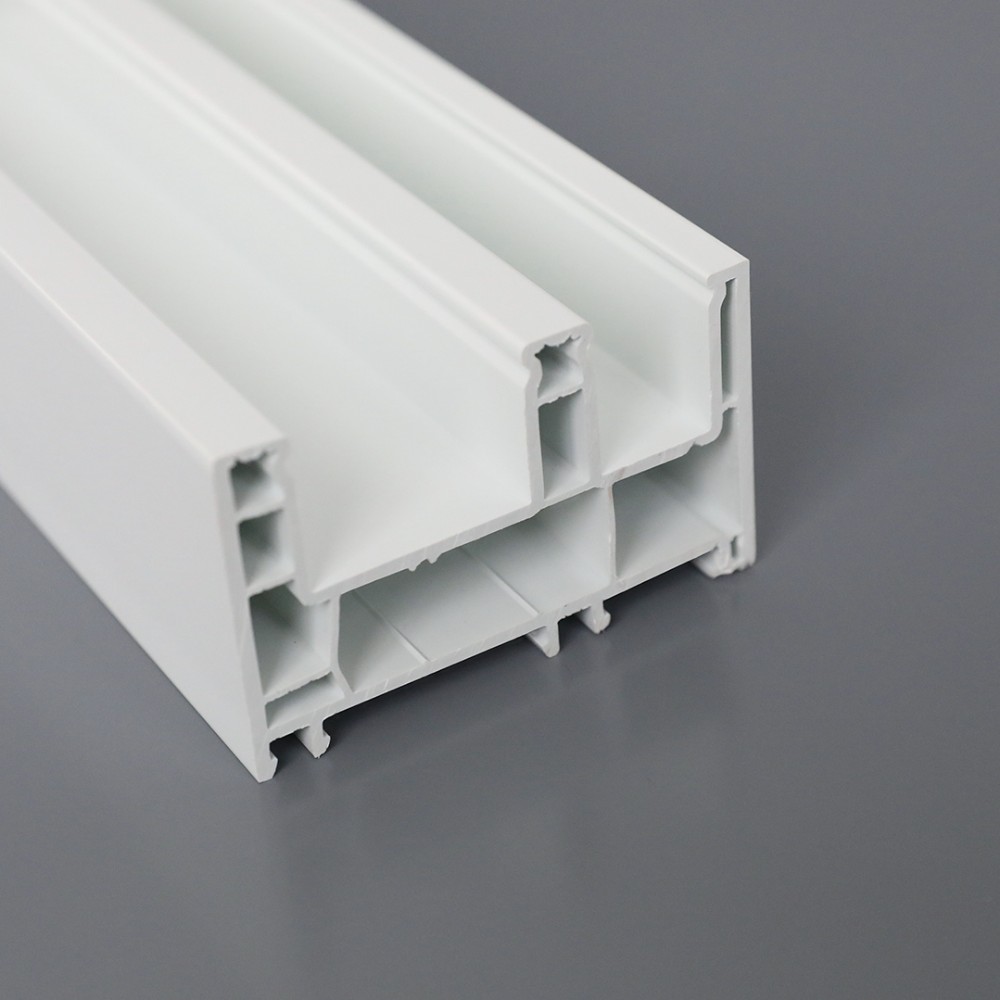
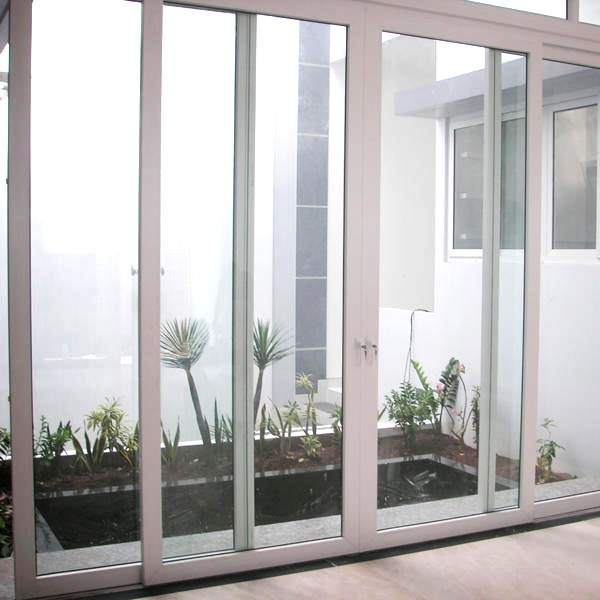
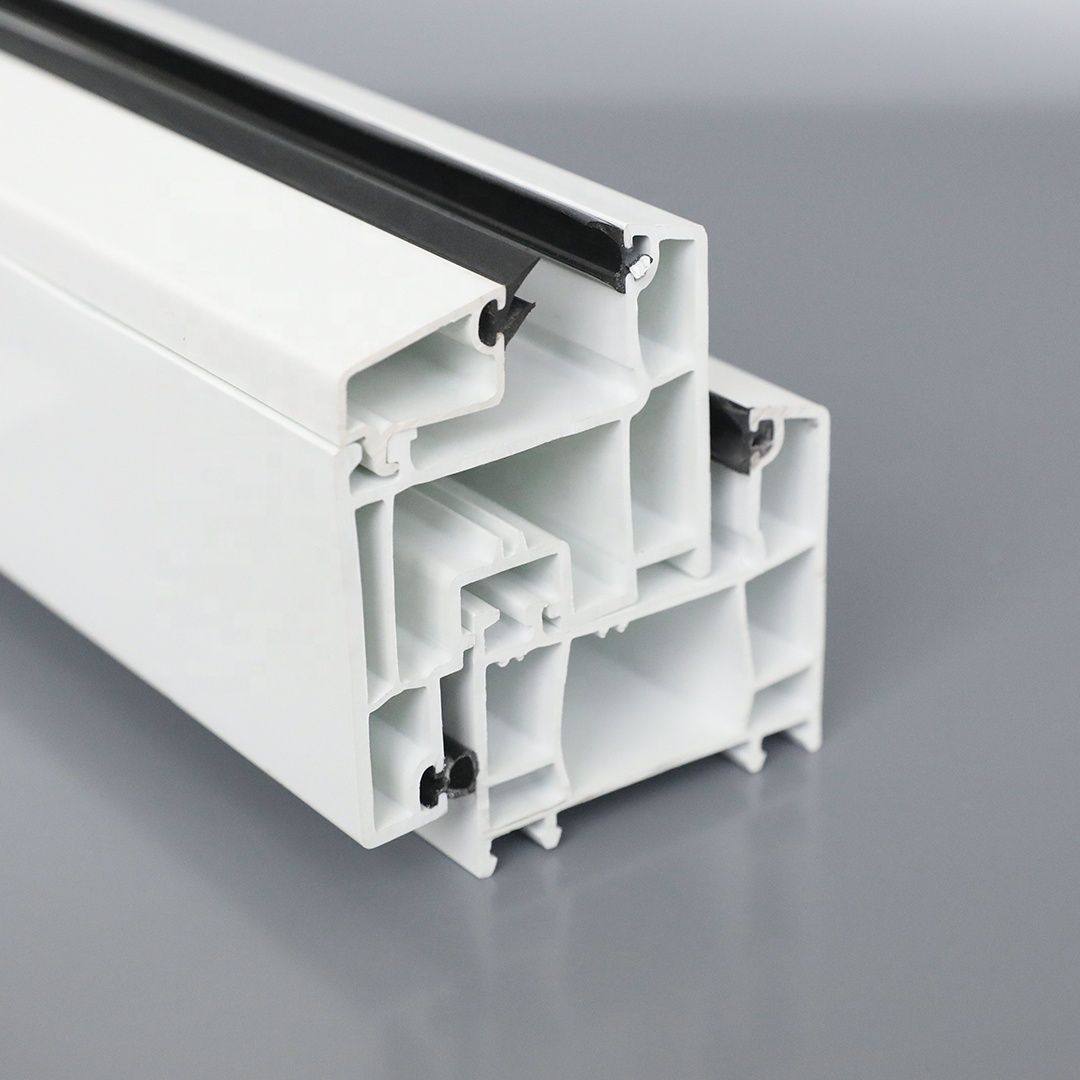
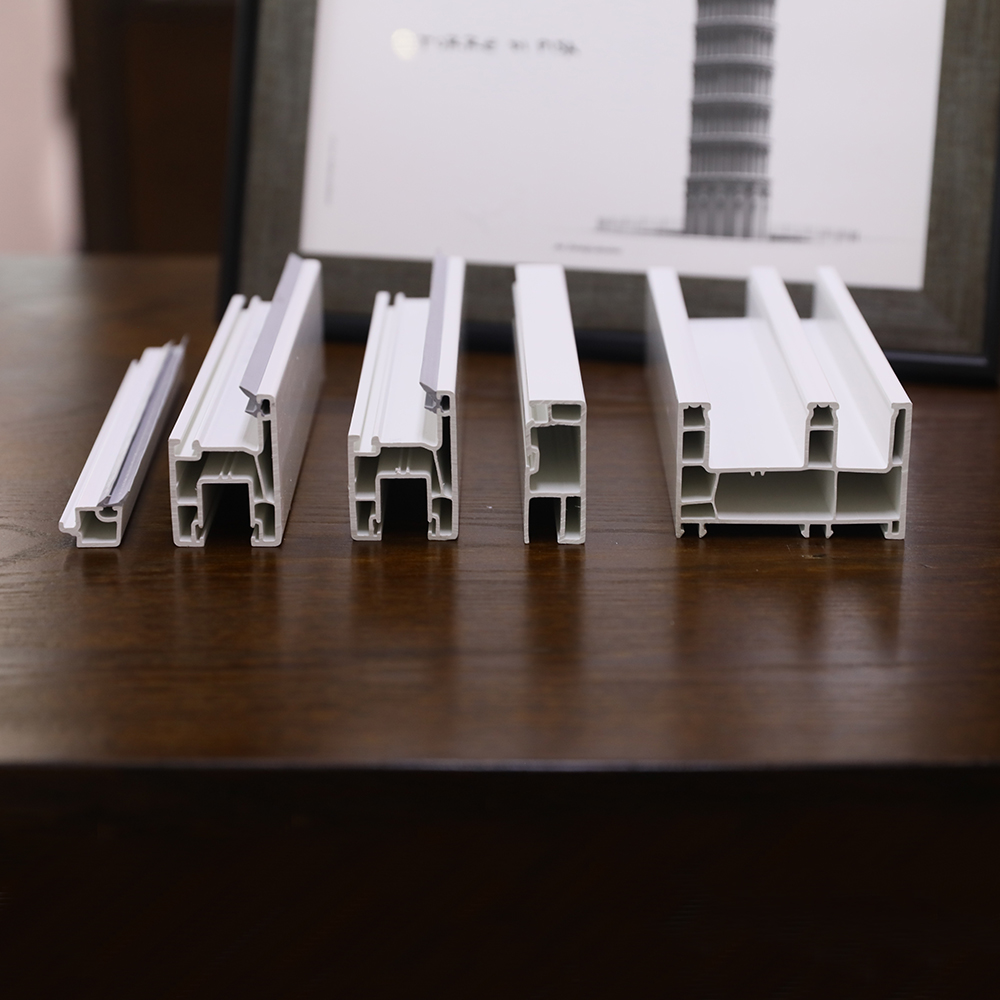
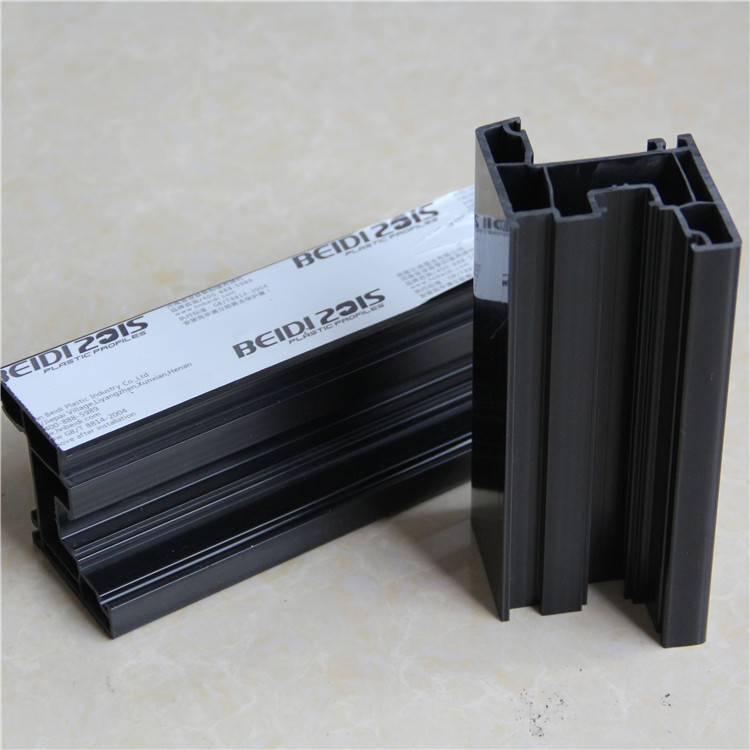
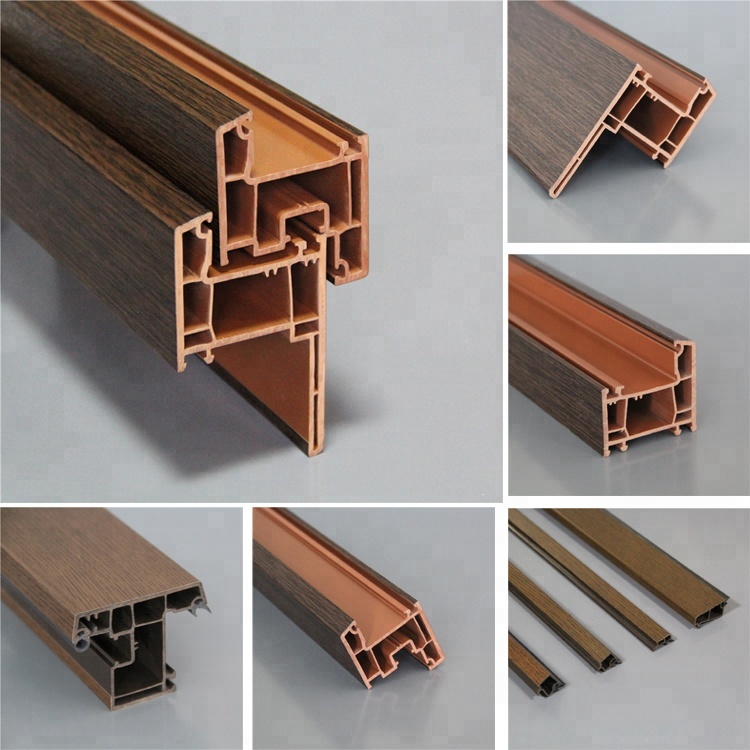
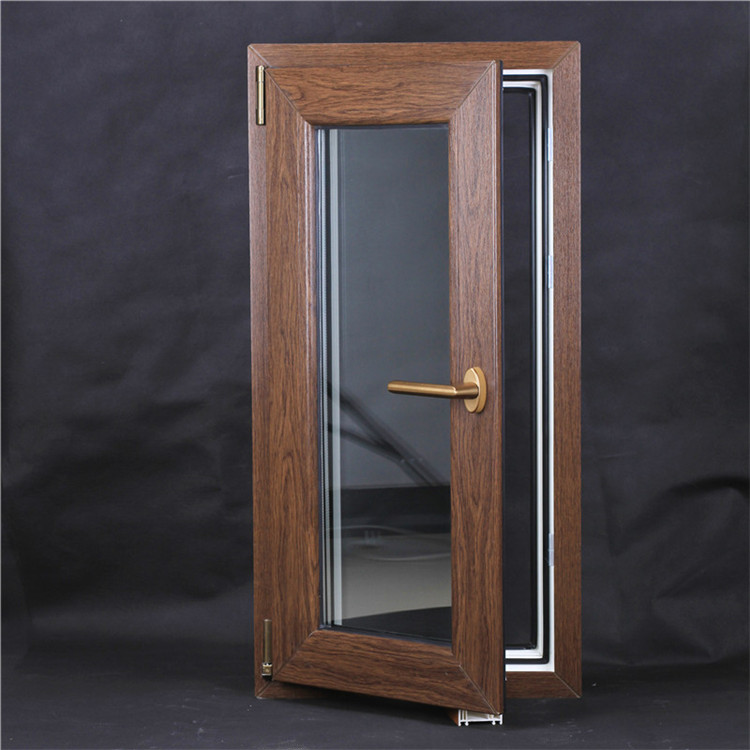
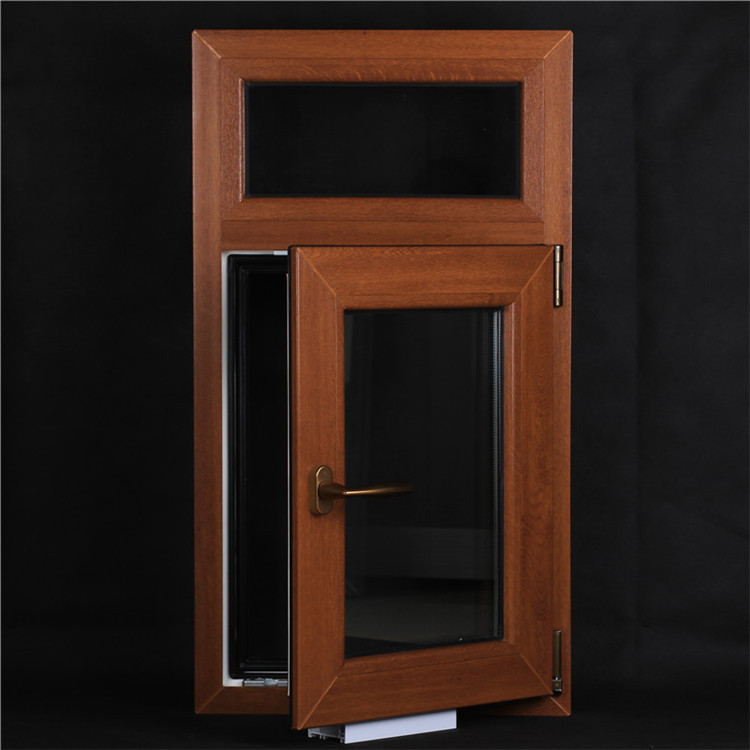
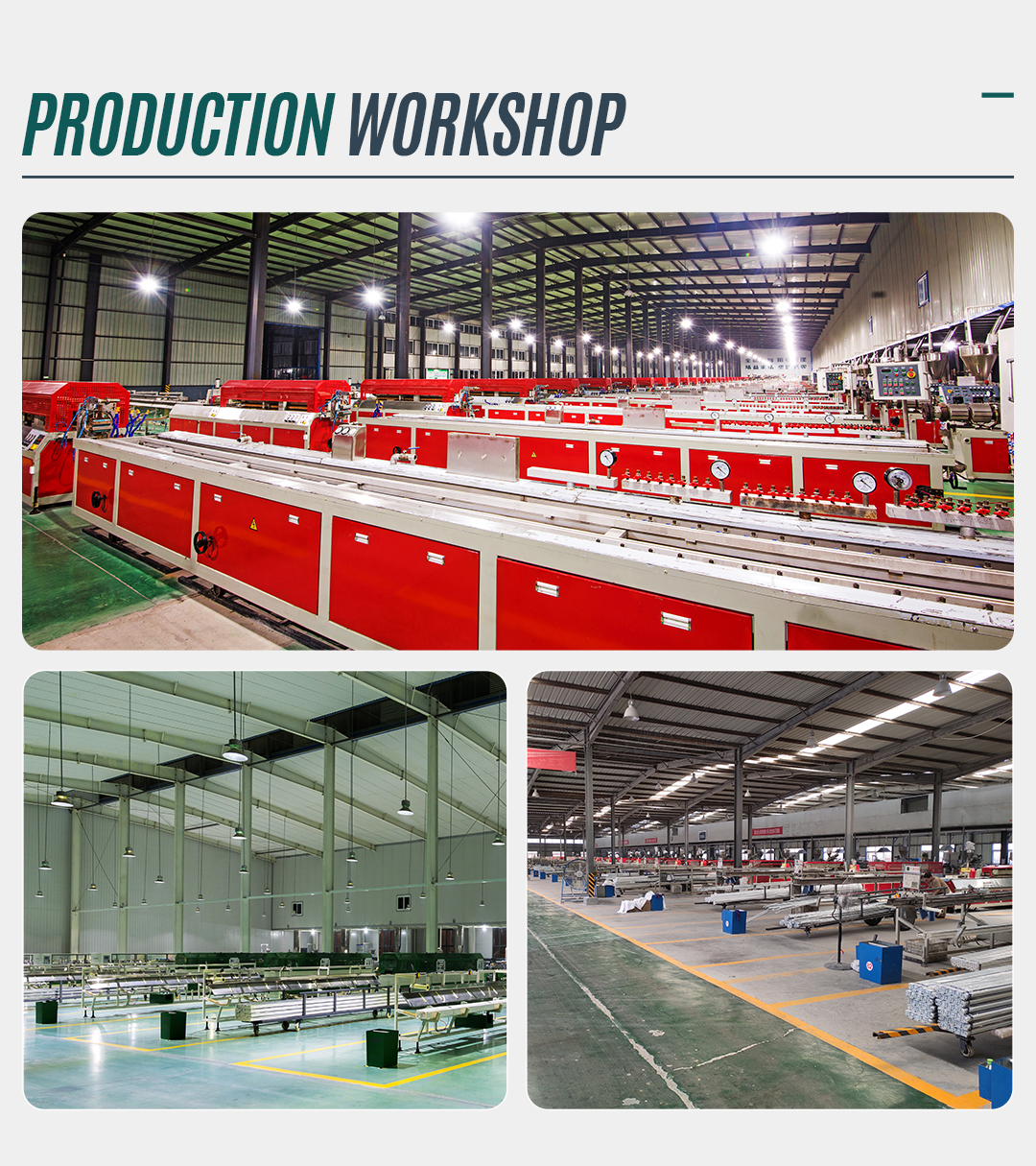
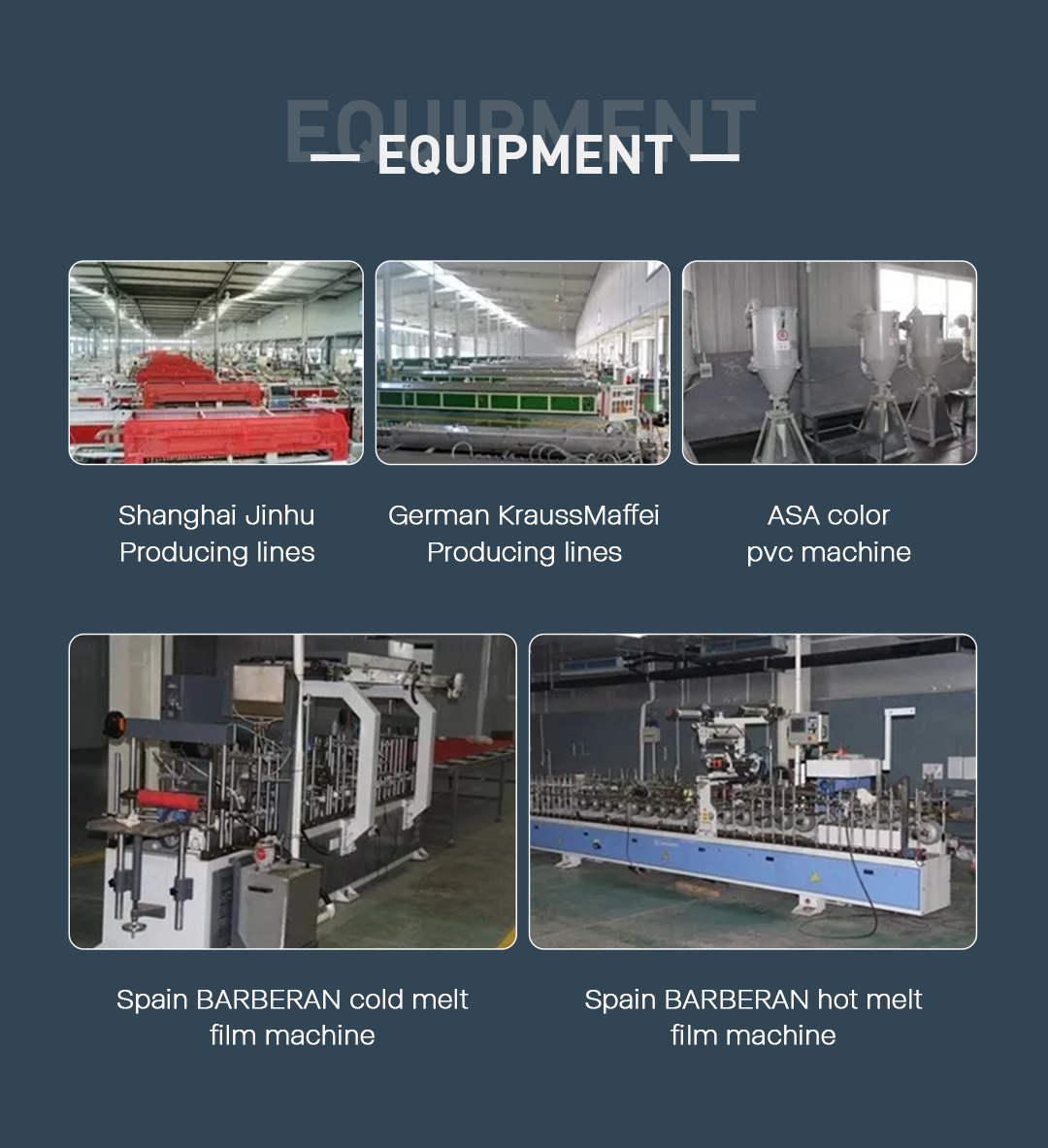
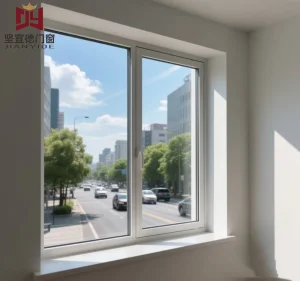
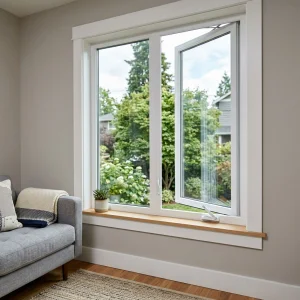
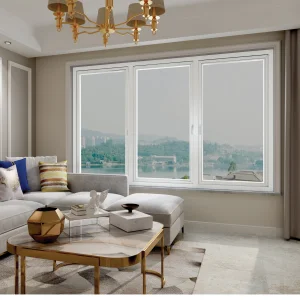
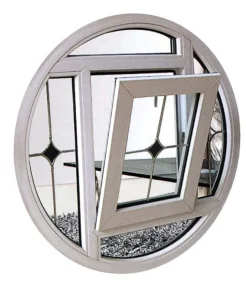
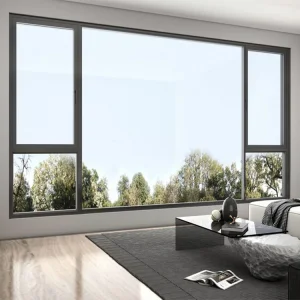
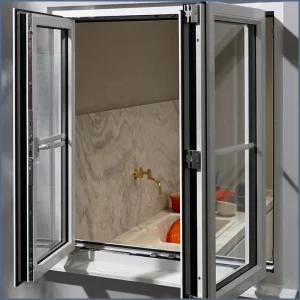
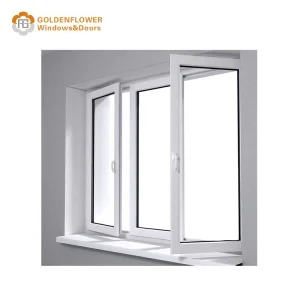
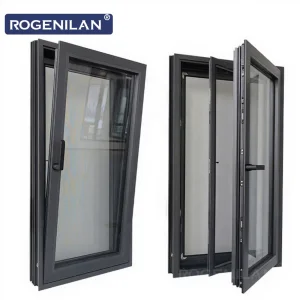
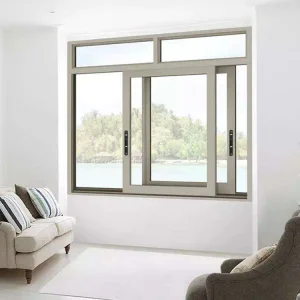
The product ranges include 60 series sliding windows and doors, 60 series casement and tilt-turn windows, 60 series casement doors, 80 series sliding windows and doors, 80 series casement doors, and 88 series sliding doors. New developments include the 100 series, 75 series, and 90 series.
We utilize ASA material for co-extrusion on the profile surfaces, providing two major benefits: decorative aesthetic appeal and high anti-UV protection. This is particularly effective for high-temperature regions. Currently, 192 colors are available to meet diverse architectural needs.
Frequently Asked Questions (FAQ)
Q1: What are the key advantages of using UPVC profiles for windows and doors?
A: UPVC profiles offer excellent thermal insulation, water proofing, fire retardancy, and high durability. They are also anti-UV and eco-friendly, making them ideal for long-term use in various climates.
Q2: Are these profiles suitable for hot and sunny climates?
A: Yes, the profiles use ASA material for co-extrusion, which provides superior anti-UV protection and weather ability, preventing the profiles from warping or fading in hot countries.
Q3: How many color options are available for the profiles?
A: We currently offer 192 colors to meet different decorative and architectural preferences.
Q4: What series of UPVC profiles do you manufacture?
A: Our main ranges include 60 series, 80 series, and 88 series for sliding and casement systems. We are also developing 75, 90, and 100 series profiles.
Q5: Do UPVC windows help in energy saving?
A: Absolutely. The thermal insulation properties of UPVC profiles help maintain indoor temperatures, reducing the need for heating and cooling, which leads to lower energy costs.
Q6: Are the materials environmentally friendly?
A: Yes, our UPVC profiles are designed with green environment protection in mind, ensuring a sustainable choice for modern construction.
 Nova Panel