Explore our elite range of structural uPVC products engineered for immediate resilience against salinity and severe wind loads.
The Commonwealth of Dominica, known as the "Nature Isle of the Caribbean," presents one of the most demanding physical environments in the world for building envelopes. In the wake of Hurricane Maria and subsequent extreme weather events, Dominica’s national building codes have undergone a paradigm shift, mandating structural systems that prioritize resilience, energy autonomy, and resistance to coastal elements.
Commercial and residential builders in Roseau, Portsmouth, and across the island's coastal fringes face severe microclimatic hazards: high saline concentration (salt spray), intense UV levels (frequently reaching a UV Index of 11+), rapid thermal fluctuations, and wind pressures originating from Category 5 hurricanes. Standard aluminum frames oxidize and pit rapidly under maritime conditions, while wood structures warp, decay, and suffer from pest infestations.
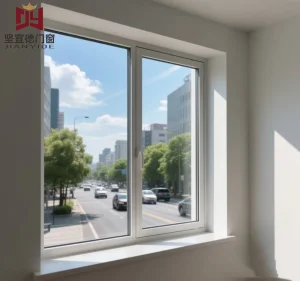
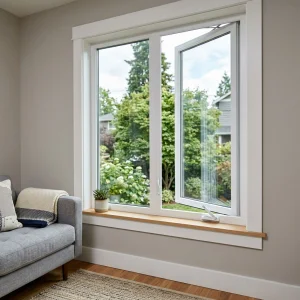
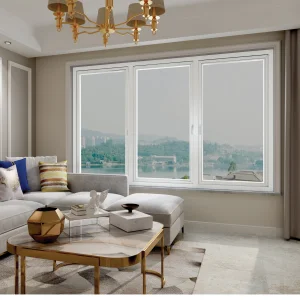
To mitigate these hazards, architectural specifications are increasingly calling for high-grade unplasticized Polyvinyl Chloride (uPVC) casement systems. Thanks to their chemical inertness, multi-chambered insulation properties, and compatibility with heavy steel reinforcements, uPVC casement windows have emerged as the gold standard for sustainable Caribbean development.
Our uPVC material contains no metallic elements that can oxide or corrode, guaranteeing lifetime resistance to salt air, coastal humidity, and acidic tropical rainfall.
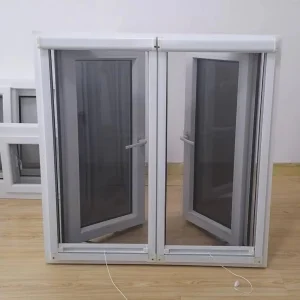
Reinforced with internal hot-dipped galvanized steel profiles, these casement windows are specifically engineered to withstand mechanical pressures generated by wind speeds exceeding 165 mph.
How engineering innovations overcome the typical degradation mechanisms seen in tropical maritime climates.
Standard uPVC yellows and embrittles under direct tropical sunlight. Our profiles feature high-grade Titanium Dioxide (TiO2) stabilizers at a minimum load of 8 parts per 100 parts resin, utilizing a rutile crystal structure to absorb and scatter ultraviolet radiation before polymer degradation occurs.
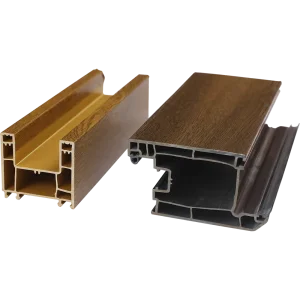
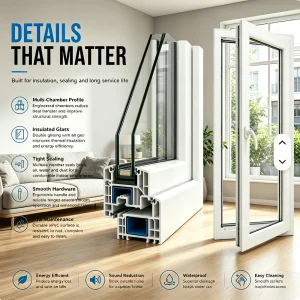
The profile's internal geometry is constructed with a minimum of 5 independent chambers. The main chamber houses a thick, zinc-coated structural steel reinforcement (ASTM A653 equivalent), ensuring high mechanical resistance, minimal deflection, and reliable anchor points for security hinges.
Wind-driven rain during hurricanes forces water through weak window seals. Our casement frames incorporate dual-compression EPDM gaskets, co-extruded directly into the profile, preserving elasticity over a range of -40°C to +120°C and delivering airtightness meeting Class 4 standards (EN 12207).
Adapting window technologies for institutional, commercial, and high-end residential applications across the Nature Isle.
Dominica's signature eco-tourism sector demands building products that respect the environment while providing luxury-level comfort. Our uPVC casement windows feature outstanding thermal performance with U-values as low as 1.2 W/m²K, which drastically lowers HVAC energy demand in remote, off-grid resorts.
Additionally, multi-layered acoustic glazing provides high Sound Transmission Class (STC) ratings, shielding guests from exterior weather noise or high surf sounds.
For government complexes, schools, and post-hurricane resettlement residential communities in Dominica, long-term durability and zero maintenance are critical parameters. Our builder-friendly vinyl solutions provide a long operational lifespan without the recurring costs of sanding, painting, or coating.
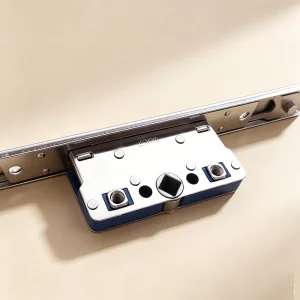
Integrating heavy-duty 304 or 316 stainless steel friction hinges and multi-point security locks protects civic structures against forced entry and structural failure during extreme storms.
How Shenzhen Nova Panel Co., Ltd. couples industrial automation with robust quality control to deliver high-quality fenestration systems globally.
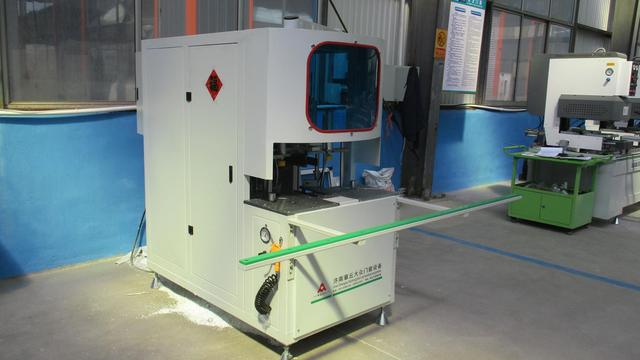
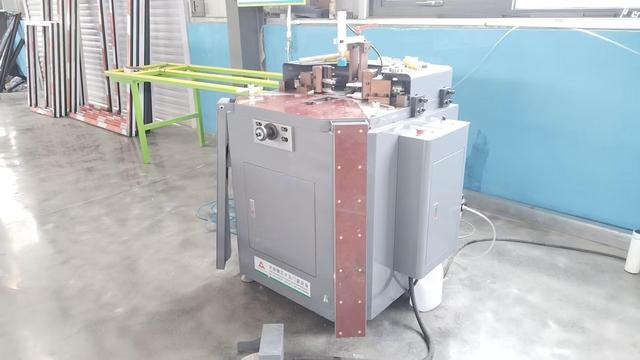
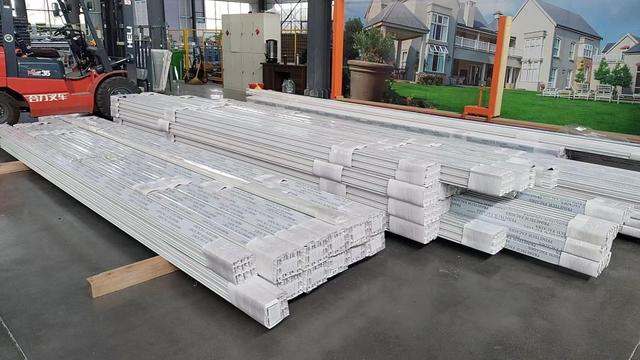
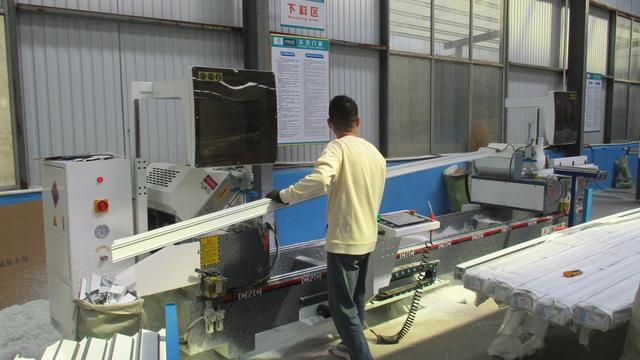
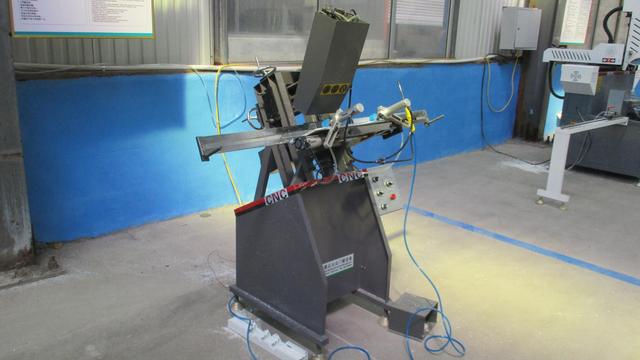
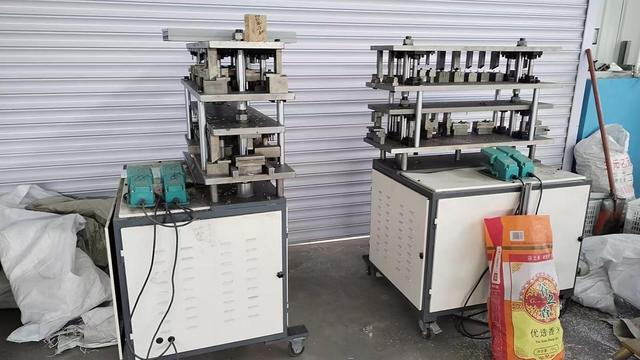
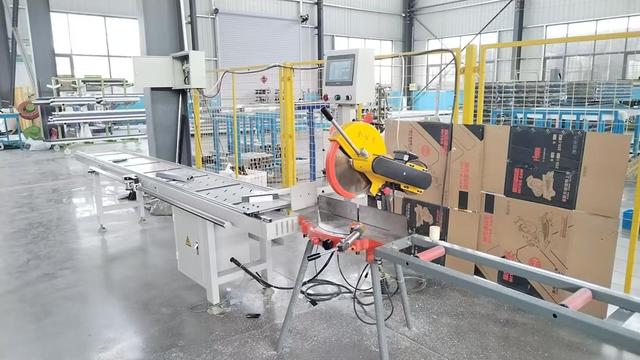
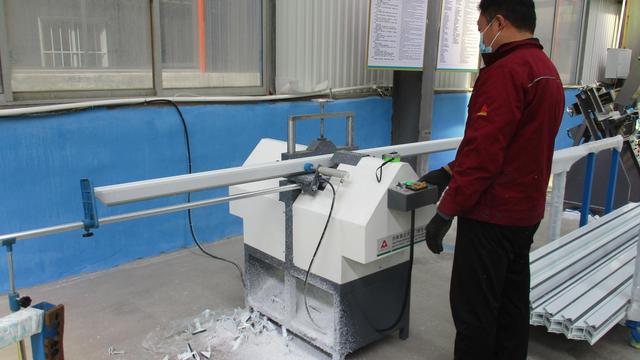
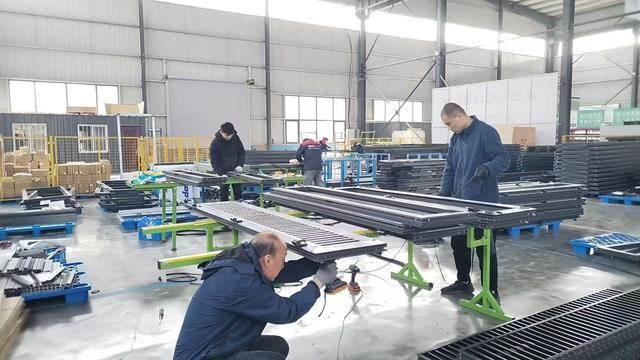
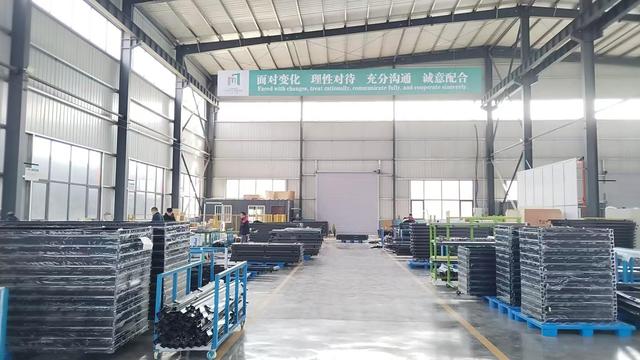
Today, our high-quality window systems are exported to North America, Europe, the Middle East, Southeast Asia, Australia, and other regions, providing reliable and energy-efficient solutions for a wide range of residential and commercial applications.
We streamline international trade and logistics, guaranteeing safe arrival at Roseau Port and adherence to regional building codes.
Navigating customs at the Roseau port requires precise cargo manifests. We issue certified commercial invoices, packing lists with clear structural markings, and certificate of origin documents to facilitate clean duty assessments.
Our manufacturing processes conform to specifications approved by both European and North American test institutes, ensuring that U-factor, solar heat gain, and structural load ratings align directly with the Caribbean Uniform Building Code (CUBiC).
Long ocean voyages expose packages to moisture and impact. All windows are enveloped in heat-shrink films, padded with protective foam corners, and crated in fumigated solid plywood to prevent mechanical friction inside ocean containers.
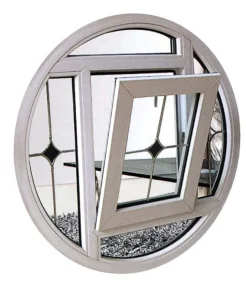
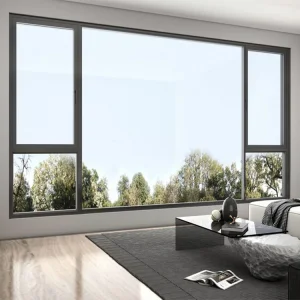
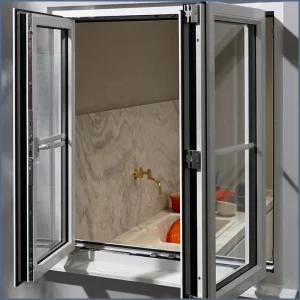
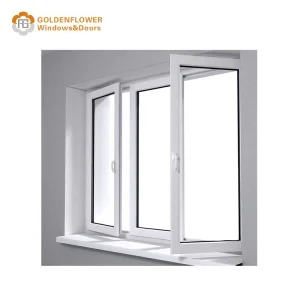
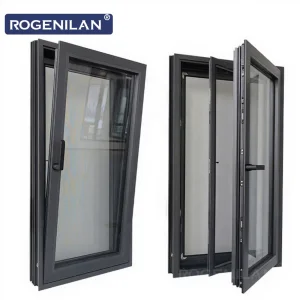
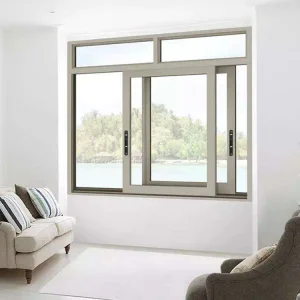
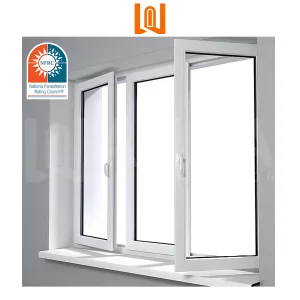
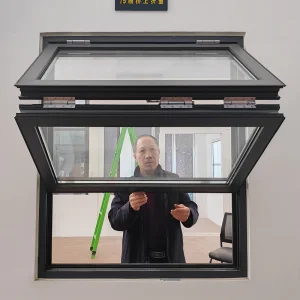
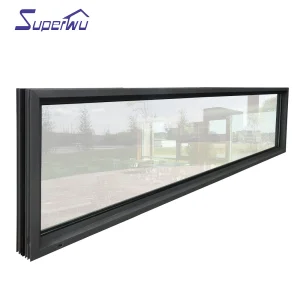
Select from our wide selection of certified shapes, specialized sash opening profiles, and high-strength commercial window solutions.
Clear answers to technical, commercial, and logistics questions concerning uPVC casement windows for Dominica.
Aluminum profiles are vulnerable to chemical pitting and galvanic corrosion in high-salinity air. uPVC is an inert thermoplastic polymer that does not oxidize or react to salt or chlorine ions. Furthermore, uPVC has a low thermal conductivity coefficient (approx. 0.14 W/mK), whereas aluminum is highly conductive, allowing solar heat to enter the building. Consequently, uPVC casement windows reduce interior HVAC electrical loads, preventing thermal bridging and surface condensation in high-humidity areas.
Our windows utilize deep internal chambers containing continuous, hot-dipped galvanized steel reinforcement sections with wall thicknesses ranging from 1.5mm to 2.5mm. This steel skeleton is combined with heavy-duty structural corner welding, multi-point lock gearboxes, and thick laminated impact glass (featuring a high-performance PVB interlayer). This structural combination ensures compliance with ASTM E1886 and E1996 standards for large missile impact resistance and cyclical pressure loads.
Our typical production time ranges between 25 and 35 days, depending on the custom profile finish and glazing specifications. Shipping from the Port of Shenzhen to the Port of Roseau in Dominica generally takes between 40 and 50 days, routing through major Caribbean hub transshipment networks. We provide full container load (FCL) shipping, taking care of export documentation to help simplify customs clearance for local project managers.
Under high UV environments like Dominica, solar radiation breaks down standard plastic polymer chains, causing discoloration and structural weakness. Rutile-grade Titanium Dioxide (TiO2) acts as a highly effective UV blocker. By maintaining a formulation containing at least 8% TiO2, our profiles bounce solar radiation away, preserving color and mechanical strength over decades of exposure.
 Nova Panel