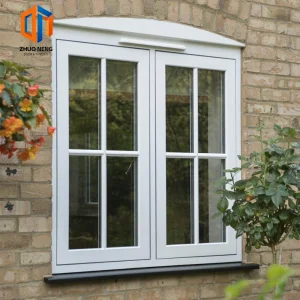
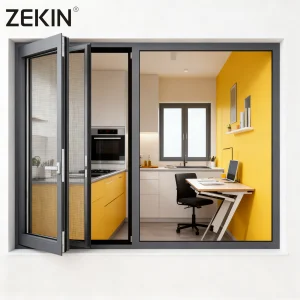
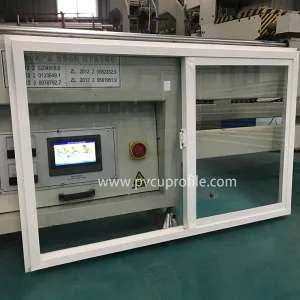
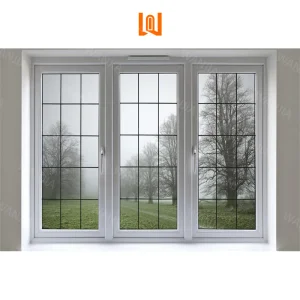
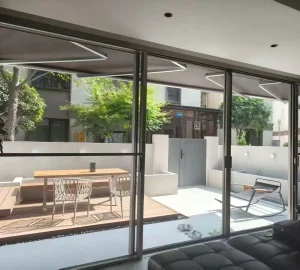
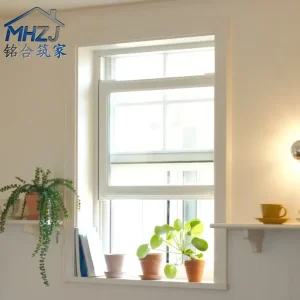
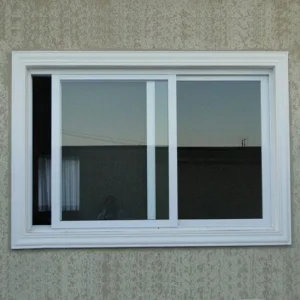
Explore our cutting-edge custom architectural uPVC windows designed to meet strict international testing standards for thermal transmittance and air infiltration.
An inside look at our technical capabilities, standard-defining facility setups, and core operational scale in Shenzhen, China.
Shenzhen Nova Panel Co., Ltd. is a leading professional uPVC Window Manufacturer specializing in highly energy-efficient window systems, custom architectural glazing solutions, and robust OEM/ODM production services for residential, commercial, and complex infrastructure construction projects worldwide. Established in 2011, the company is headquartered in Shenzhen, China's premiere high-tech production hub, operating a modern manufacturing facility covering more than 12,000 square meters and maintaining a workforce of over 220 highly skilled employees including senior design, mechanical, and quality control engineers.
Nova Panel focuses comprehensively on the design, structural engineering, and automated production of high-performance uPVC window systems that meet the strict, evolving energy and structural demands of modern global construction. Our product portfolio includes casement windows, sliding windows, tilt-and-turn windows, awning windows, fixed windows, soundproof windows, thermal insulation windows, and fully customized architectural window solutions. We are proud partners to property developers, main contractors, regional distributors, wholesalers, and building material suppliers across diverse global markets.
Square Meters Factory
Year Established
Skilled Professionals
Export Countries
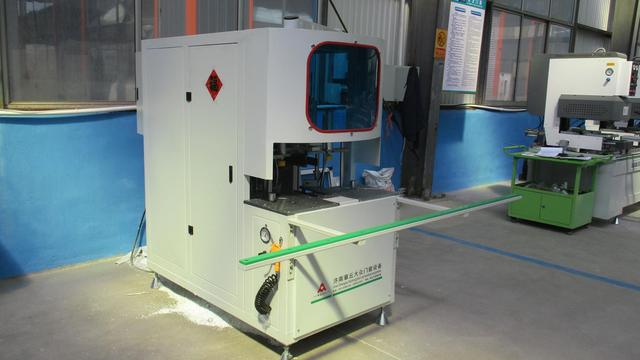
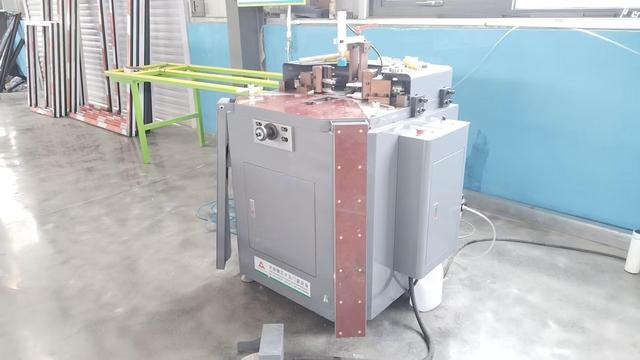
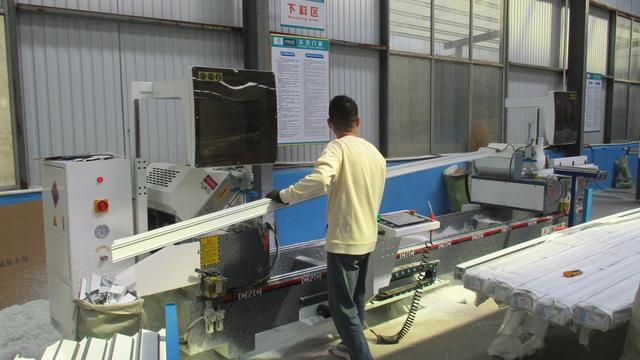
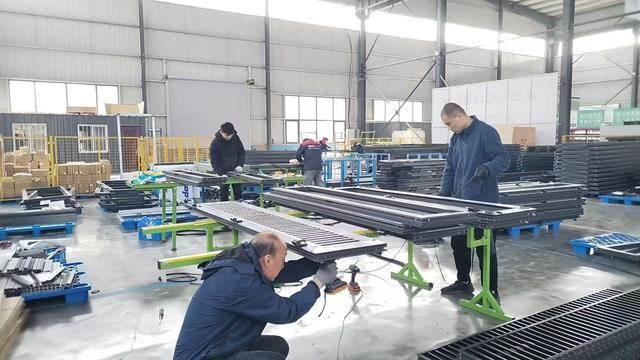
Equipped with advanced extrusion processing lines, precision CNC cutting centers, automated double-head welding systems, and multi-stage quality inspection systems, Nova Panel maintains strict manufacturing standards throughout every stage of production. The company emphasizes long-term frame durability, weather resistance in extreme UV/temperature zones, sound dampening, and high thermal efficiency to support sustainable building practices (such as LEED and Passive House standards) and improve indoor comfort.
Our dedicated engineering and project management team collaborates closely with customers on comprehensive product customization. This includes custom frame profiles, specialized glazing configurations (including low-E, triple-paned, and argon gas-filled glass), premium heavy-duty hardware selection, diverse surface finishes, exact custom dimensions, and export-compliant protective packaging. This highly flexible, automated manufacturing approach enables Nova Panel to support both specialized low-volume developments and massive, high-density residential or commercial construction projects.
Committed to ongoing technological innovation and meticulous quality management, Shenzhen Nova Panel Co., Ltd. continuously invests in modern production machinery and rigorous materials testing. Today, our high-quality window systems are exported to North America, Europe, the Middle East, Southeast Asia, Australia, and South America, providing reliable, energy-efficient architectural solutions tailored to regional codes and structural demands.
In the contemporary architectural landscape, fixed windows—commonly known as uPVC Picture Windows—play an indispensable role. Unlike operable windows, picture windows do not open, allowing them to act as structural glass portals that maximize natural daylighting, provide unobstructed outdoor vistas, and dramatically increase building energy performance. Because they lack operational sashes and weather-stripping joints, picture windows achieve superior airtightness and water tightness compared to sliding or casement designs.
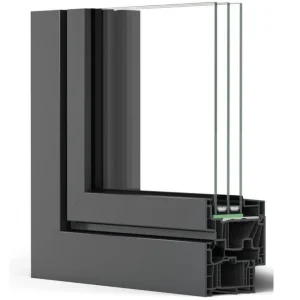
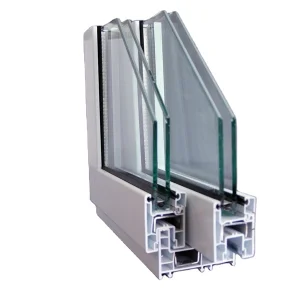
As global building codes mandate a reduction in greenhouse gas emissions and structural energy footprints, architects are moving toward highly insulated envelopes. In North America and Europe, strict requirements like the Net-Zero Energy Building (NZEB) guidelines and Passive House standards are driving the adoption of high-performance uPVC frame systems. Unlike traditional aluminum frames, which require complex thermal breaks to prevent heat transfer, uPVC is inherently non-conductive. The multi-chambered internal profile structure of uPVC picture windows acts as a series of thermal barriers, reducing heat transfer and yielding industry-leading U-values (thermal transmittance coefficient).
Multi-chambered uPVC profiles eliminate thermal bridging, keeping interior surfaces warm in winter and cool in summer, drastically lowering HVAC energy consumption.
Specialized uPVC formulations resist yellowing, cracking, and chalking even in high UV environments. No painting or sealing required over a 30+ year lifecycle.
Internal chambers are lined with heavy-duty galvanized steel cores to handle high wind loads and large-scale architectural layouts without bowing.
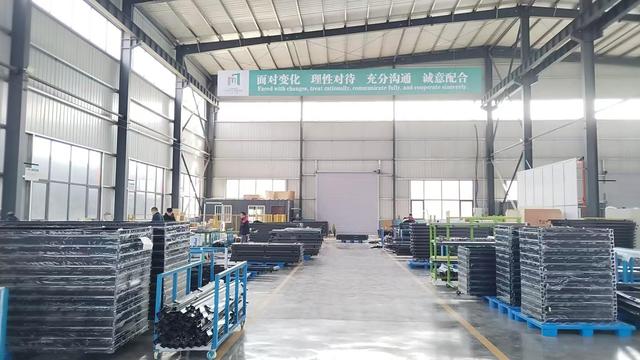
China is the global powerhouse for vinyl extrusion, but Shenzhen Nova Panel Co., Ltd. elevates this capability through precision engineering, high-level automation, and rigorous testing protocols. Operating from our 12,000 square meter factory, we leverage advanced machinery that guarantees consistency across millions of meters of extruded profiles. Our local ecosystem in Shenzhen offers distinct operational benefits:
A building loses up to 30% of its thermal energy through windows. uPVC Picture Windows achieve an exceptionally low U-value because they utilize stationary air pockets. By combining multi-chambered profiles with insulated glass units (IGUs) filled with 90%+ Argon gas and separated by warm-edge spacers, we can lower the overall window U-value down to 0.8 W/m²K, which meets strict Passive House specifications.
As a seasoned OEM/ODM partner, Nova Panel provides comprehensive bespoke manufacturing services to meet the specific aesthetic and functional requirements of developers and architects. Our customization workflow includes:
| Customization Dimension | Technical Options & Specifications | Target Benefits |
|---|---|---|
| Profile Depth & Chambers | 60mm, 70mm, 80mm, and 88mm profile systems with 3 to 7 insulation chambers. | Optimized thermal insulation and structural stability. |
| Glazing Matrix | Double or triple glazing (4mm to 40mm thickness) with Low-E coatings, laminated impact glass, and Argon fill. | Acoustic insulation (up to 45dB) and tailored solar heat gain coefficient (SHGC). |
| Color & Finish | Co-extruded colors, PMMA/ASA acrylic capping, and high-durability wood grain lamination foils (Renolit). | Architectural style compliance, scratch resistance, and long-term colorfastness. |
| Structural Reinforcement | Galvanized steel chamber cores with wall thicknesses ranging from 1.5mm to 2.5mm. | Withstands extreme wind pressure, especially in high-rise or coastal zone projects. |
Architectural regulations and environmental challenges differ wildly across geographic zones. At Nova Panel, we engineer our uPVC picture windows to meet specific local demands:
In the North American market, windows must conform to strict AAMA/WDMA/CSA 101/I.S.2/A440 standards and carry structural ratings (Design Pressure/DP). In coastal zones prone to hurricanes, we combine our steel-reinforced profiles with heavy-duty laminated impact glass, preventing envelope breach during high-velocity wind events. We also design systems compliant with NFRC thermal performance standards, lowering Solar Heat Gain Coefficients (SHGC) for Southern states and optimizing U-factors for Northern Canadian regions.
For our European partners, compliance with CE Marking (EN 14351-1) and achieving ultra-low U-values is paramount. European projects favor deep profile systems (such as 80mm or 88mm depth) paired with triple-pane Low-E insulated glass. These are frequently integrated with tilt-and-turn configurations alongside fixed picture window panels to form cohesive, multi-panel curtain wall designs.
Down under, the extreme UV index causes standard PVC profiles to degrade quickly. Nova Panel uses high-grade titanium dioxide formulation stabilizers (specifically formulated for High-UV regions) and tests profiles to comply with AS2047. Our designs are structurally tested to withstand high wind speeds and driving rain common to coastal Australian regions.
The global window industry is moving quickly toward circular economy principles and smart buildings. Key trends shaping our manufacturing updates include:
Direct answers from our senior engineering department regarding profile physics, custom tooling, lead times, and structural specifications.
uPVC has an extremely low thermal conductivity (approximately 0.14 W/mK) compared to aluminum, which is a highly conductive metal. Even "thermally broken" aluminum windows rely on polyamide insulating strips to slow down heat transfer, but they remain less thermally efficient than multi-chambered uPVC profiles. Additionally, uPVC is highly cost-effective, resists salt-spray corrosion in coastal areas without needing specialized coatings, and offers superior acoustic dampening because the vinyl polymer absorbs sound waves more effectively than rigid metal frames.
Our products are engineered and tested to comply with major international building codes. This includes CE certification (EN 14351-1) for Europe, AS2047 and AS1288 certifications for Australia and New Zealand, and structural design compliance matching AAMA/WDMA/CSA standards for North America. We provide comprehensive test reports detailing U-value, Solar Heat Gain Coefficient (SHGC), air permeability, water tightness, and structural wind resistance.
For custom profile shapes, our engineering team works directly from client CAD or Revit files. We construct rapid 3D-printed prototypes for dimensional testing. Once approved, we manufacture the steel extrusion dies in-house or with specialized tooling partners. Tooling lead times typically take 30 to 45 days, after which we run test extrusions to verify shape tolerances, structural performance, and surface finish before initiating bulk manufacturing.
For standard profiles and configurations, our production lead time is 25 to 35 days from receipt of deposit and final technical drawing sign-off. For complex projects requiring custom colors, specialized laminates (like Renolit foils), or non-standard glass units (e.g., custom structural laminates), the lead time is approximately 40 to 50 days. We optimize container loading patterns to maximize space while ensuring safe transit.
We utilize Class A uPVC profiles formulated with high concentrations of Titanium Dioxide (TiO2) and specialized organic stabilizers. This configuration is tested under accelerated weathering chambers to withstand severe UV exposure (up to 8000 hours of continuous high UV exposure without color change or embrittlement). This ensures our windows do not yellow, fade, or become brittle in regions with intense solar radiation, such as Australia, South America, or the Middle East.
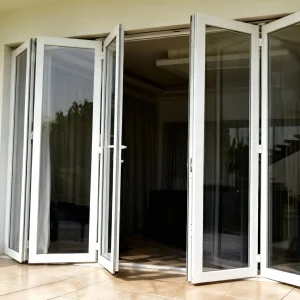
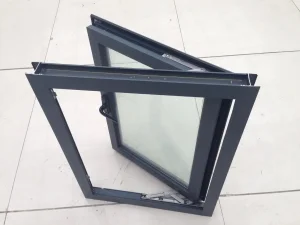
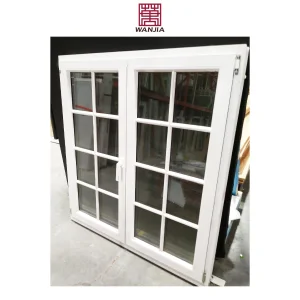
Explore our industrial range of reinforced casement, folding, and single/double-hung uPVC and aluminum configurations.
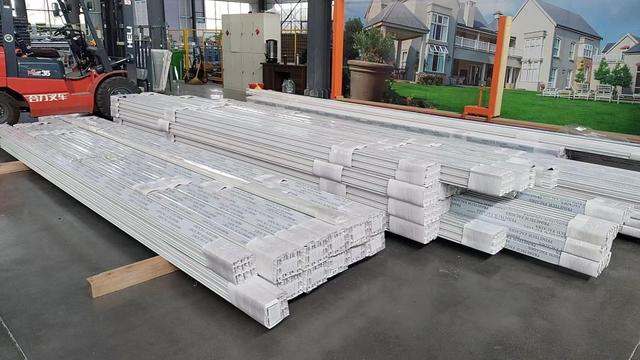
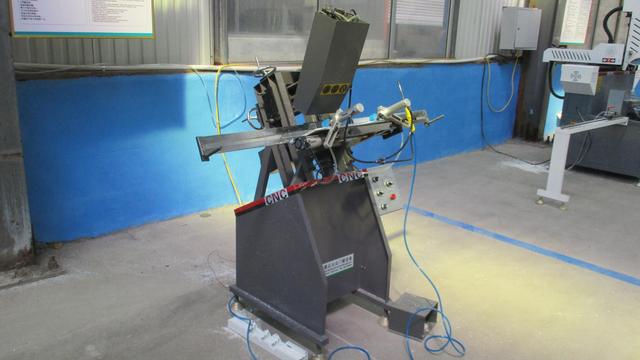
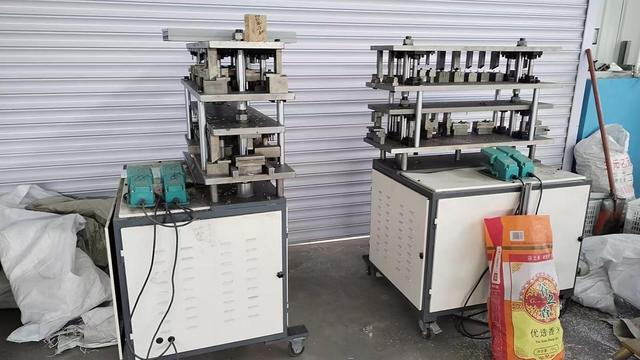
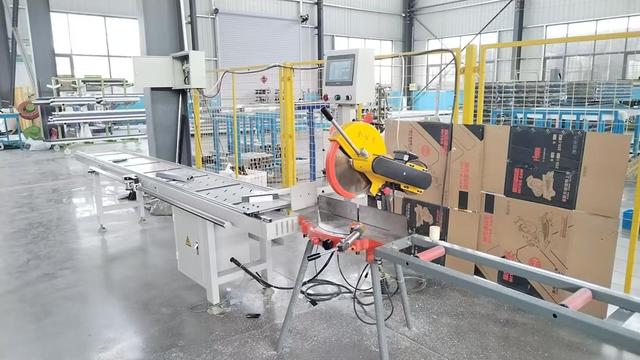
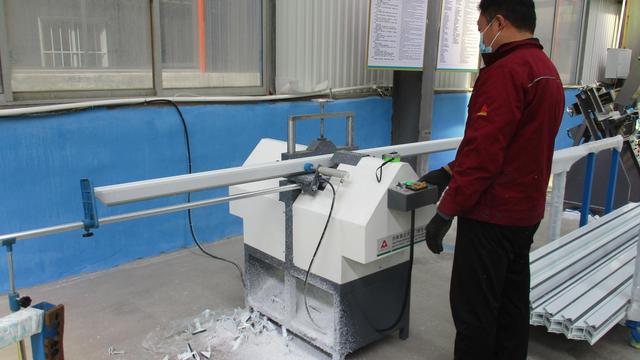
A transparent look inside our modern facility in Shenzhen, illustrating the scale, processing machinery, and strict assembly line quality standards we apply to every order.
 Nova Panel