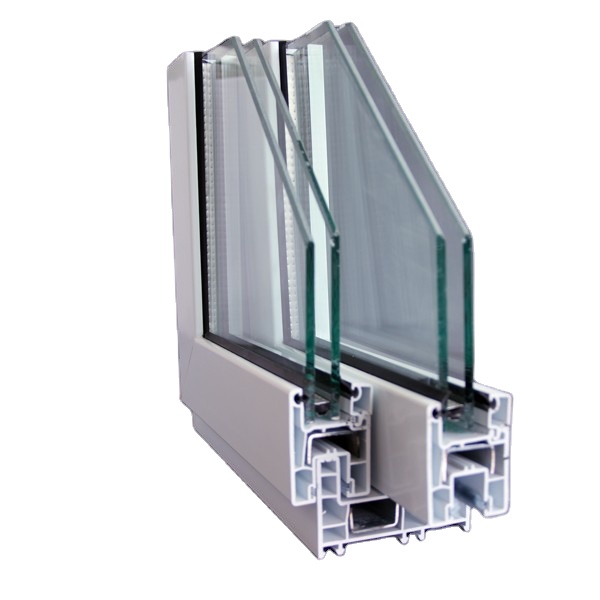
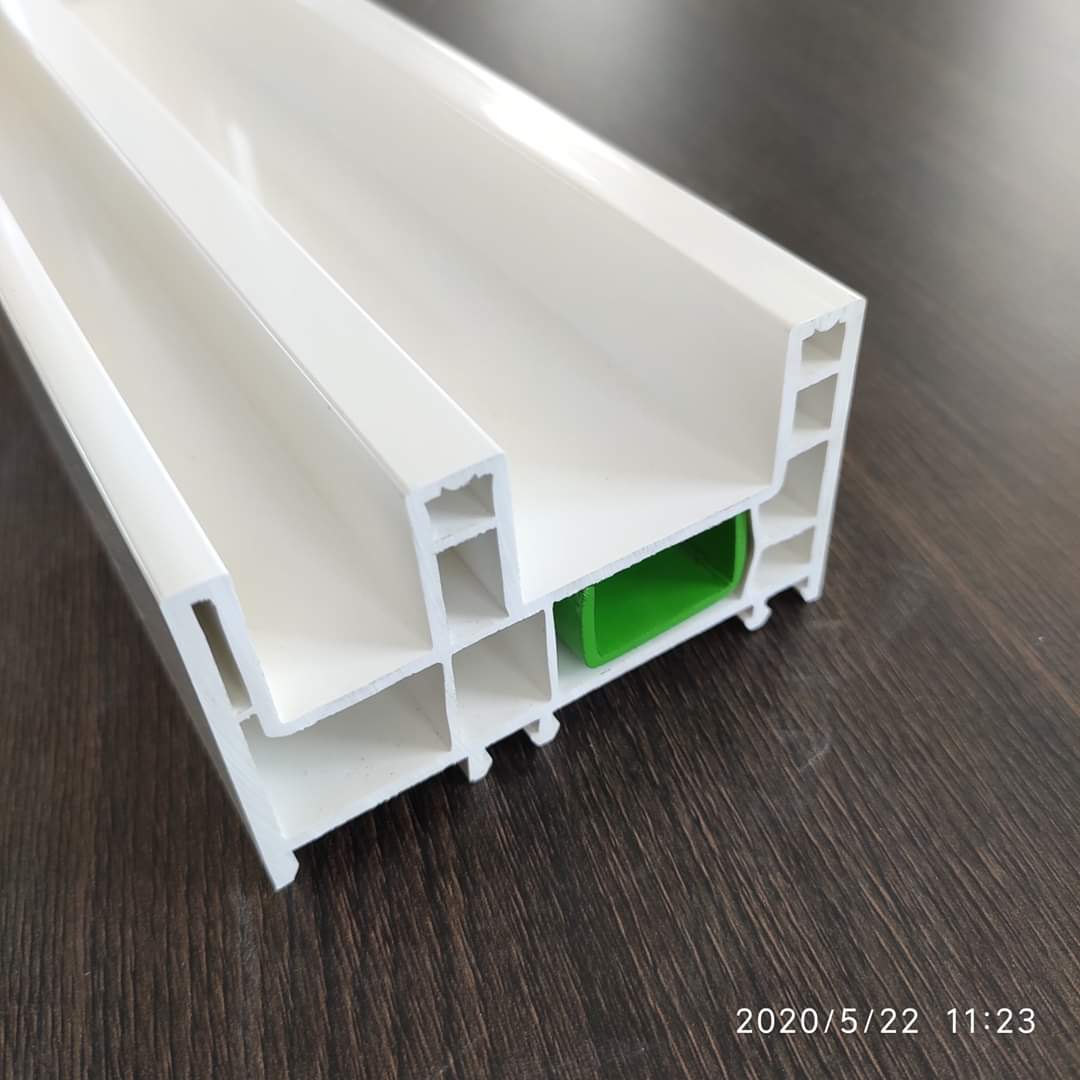
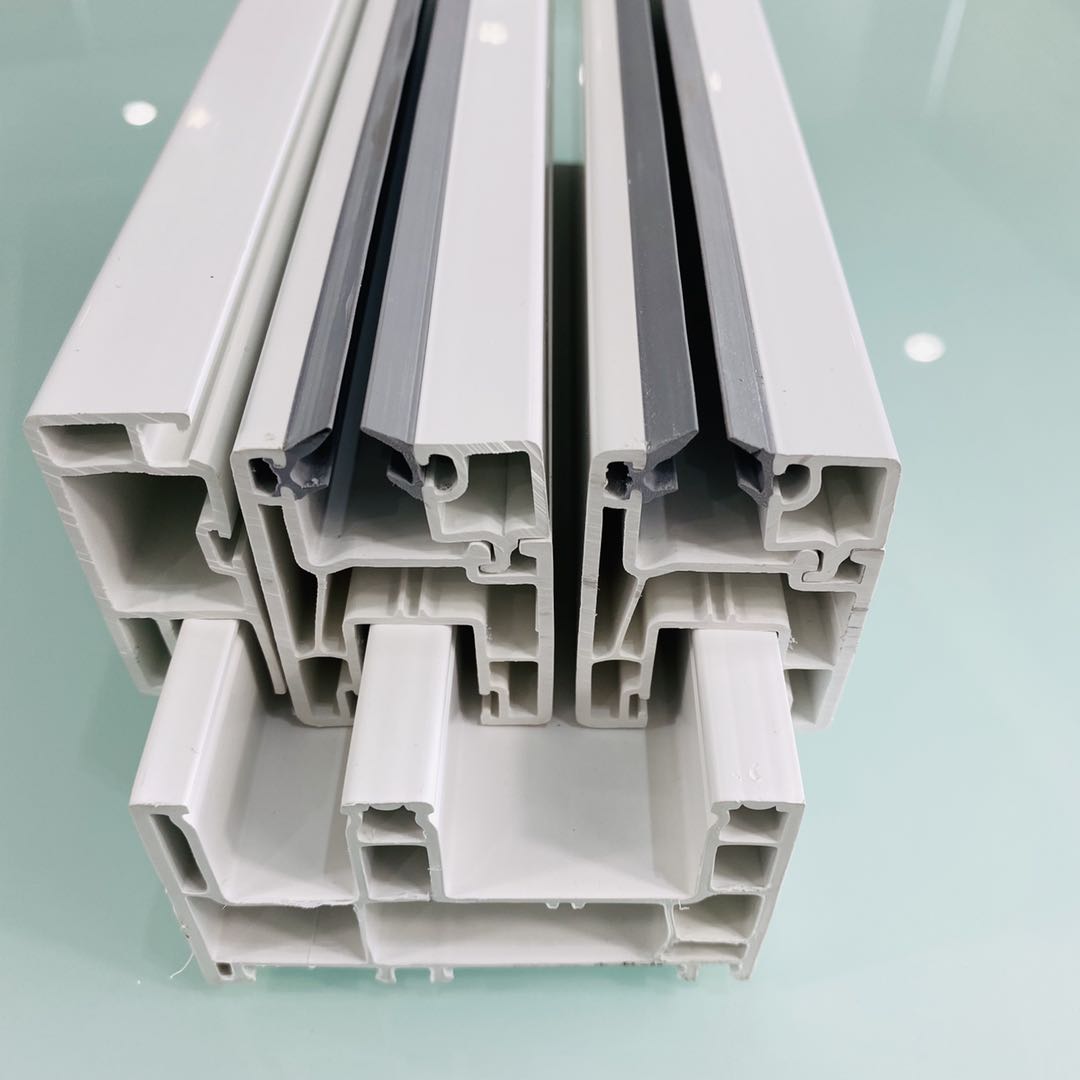
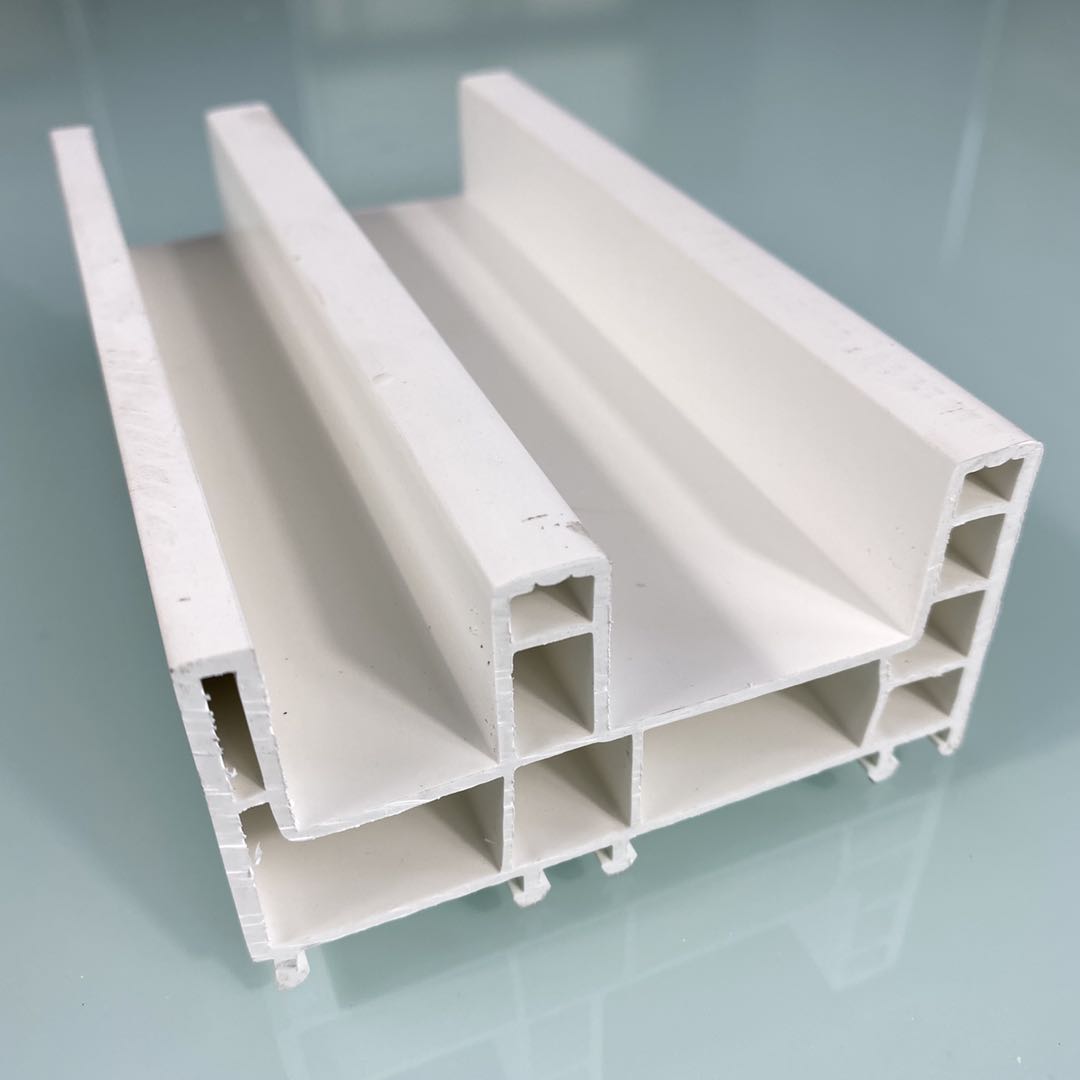
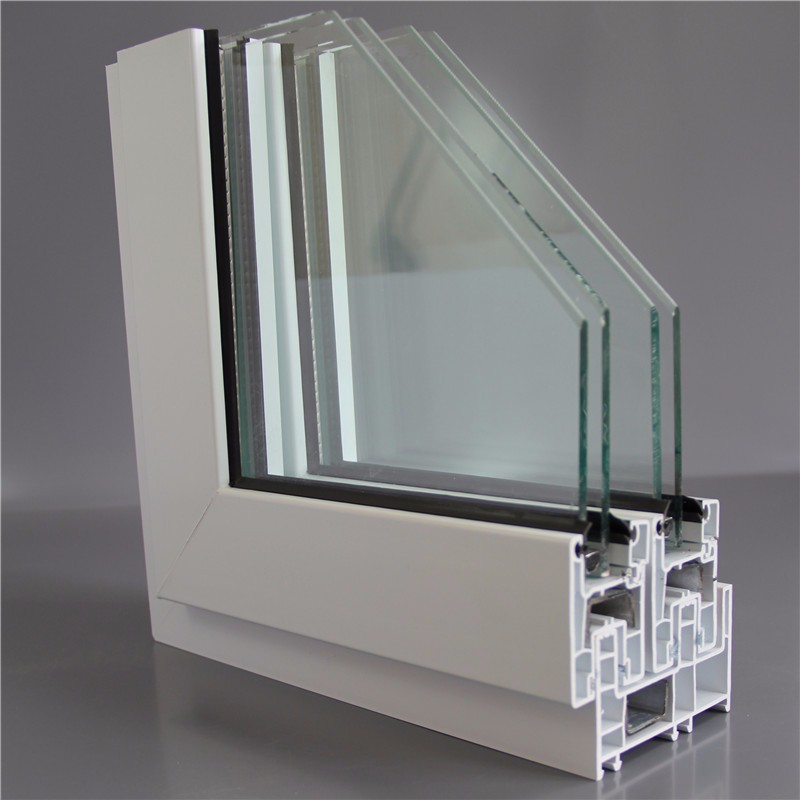
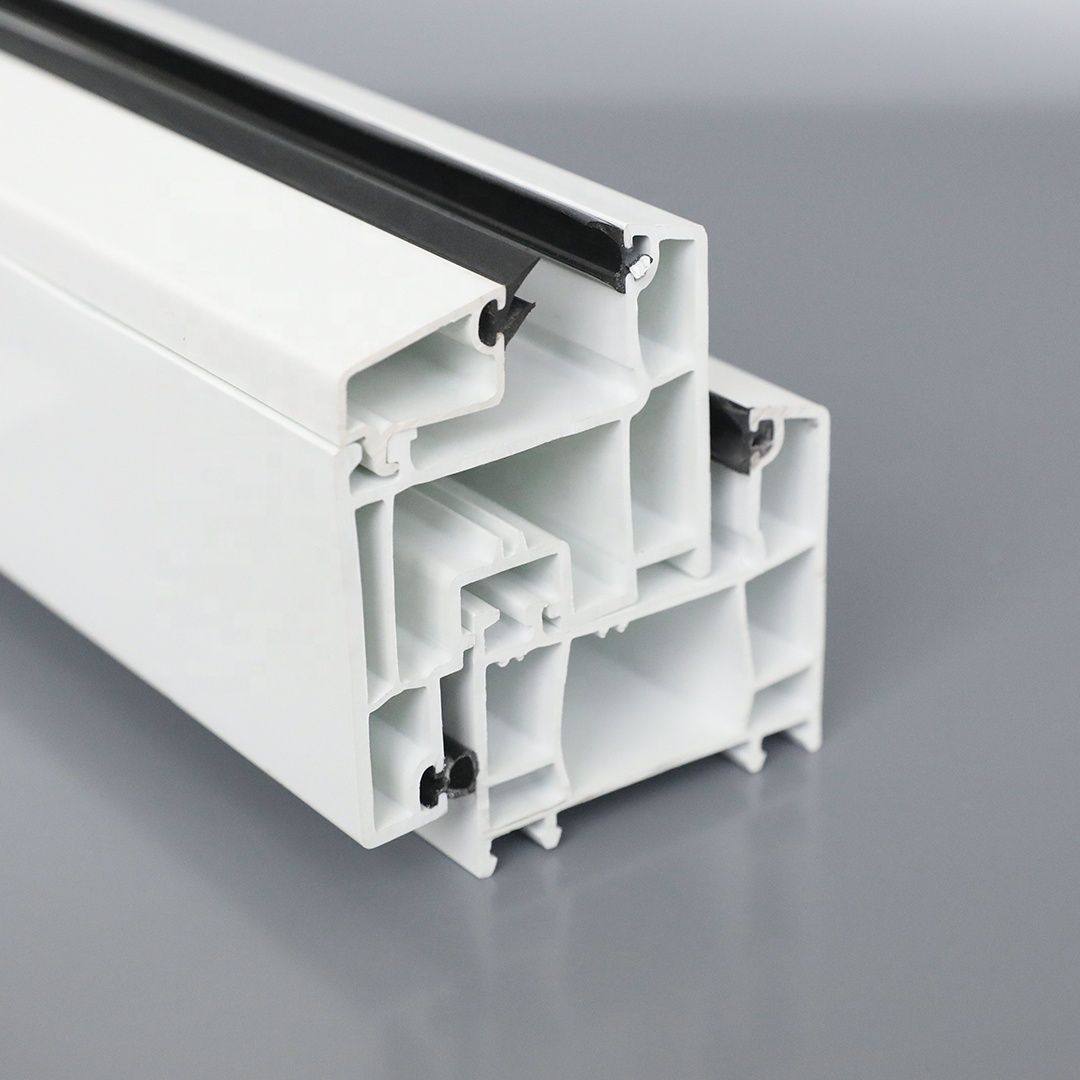
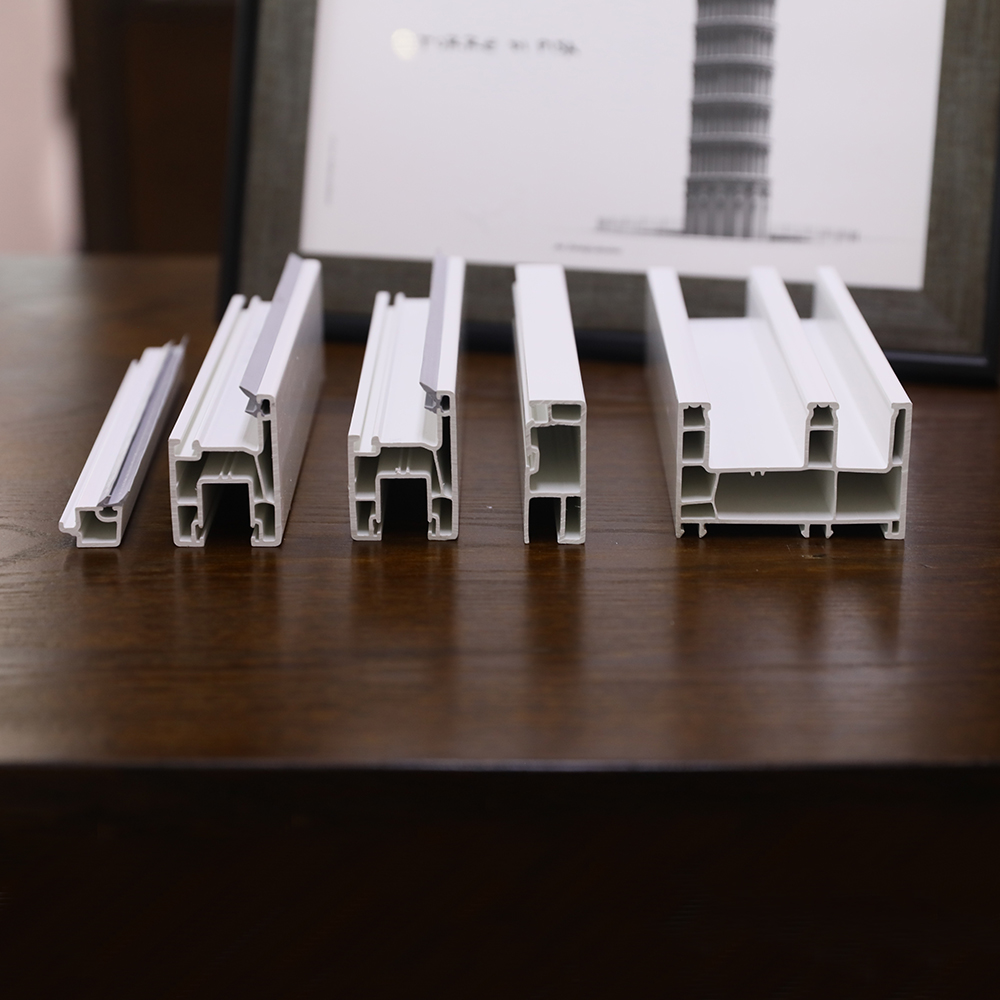
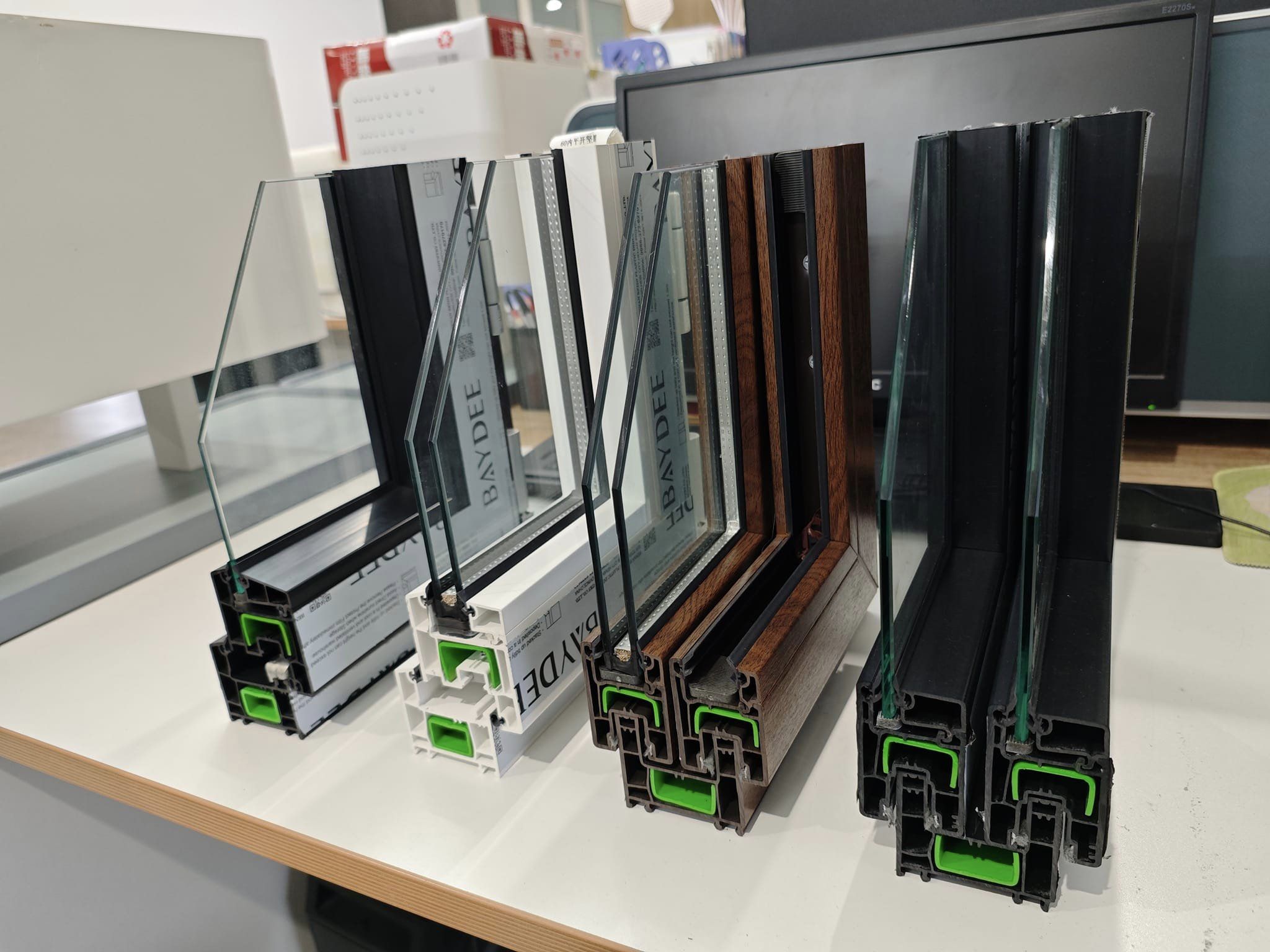
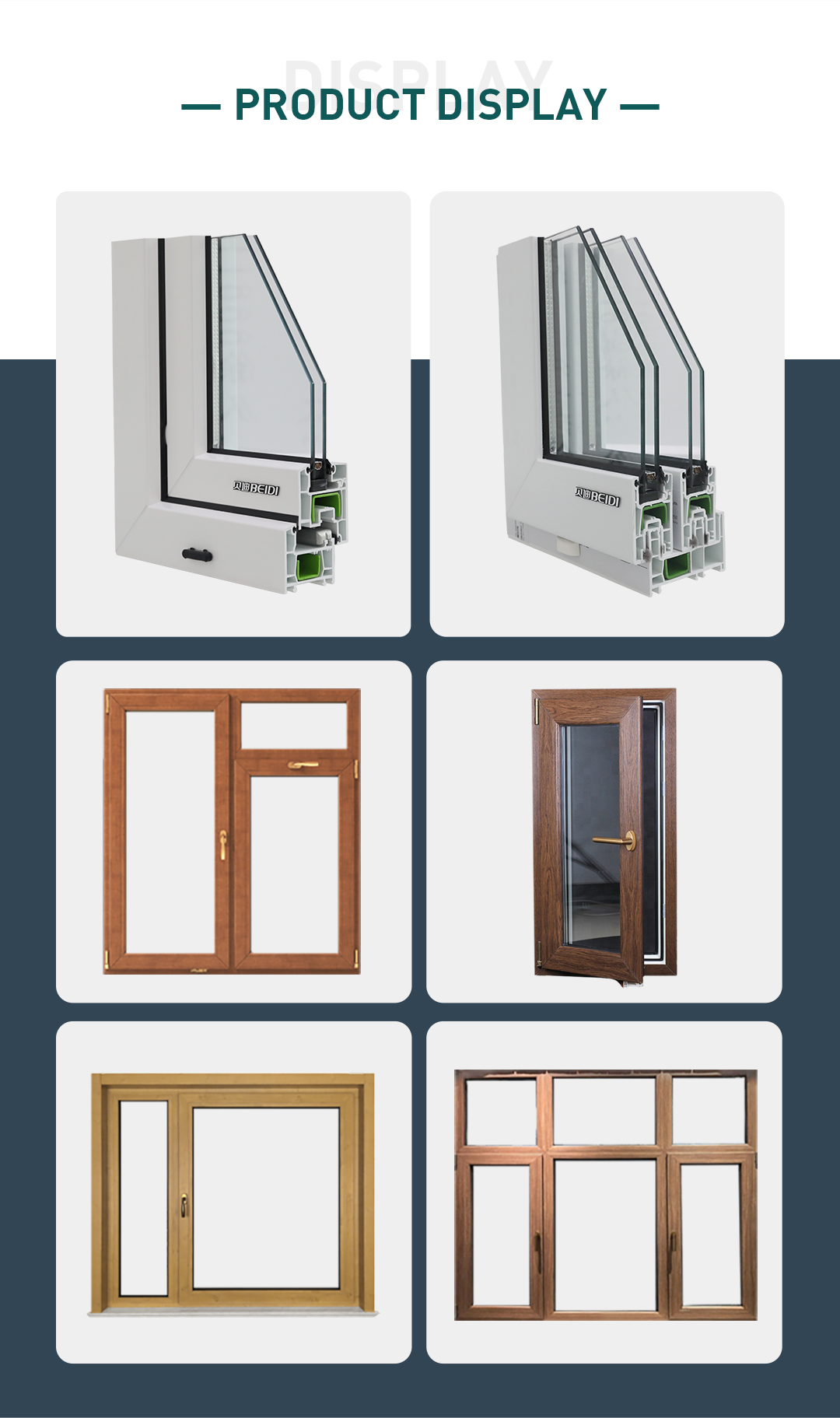
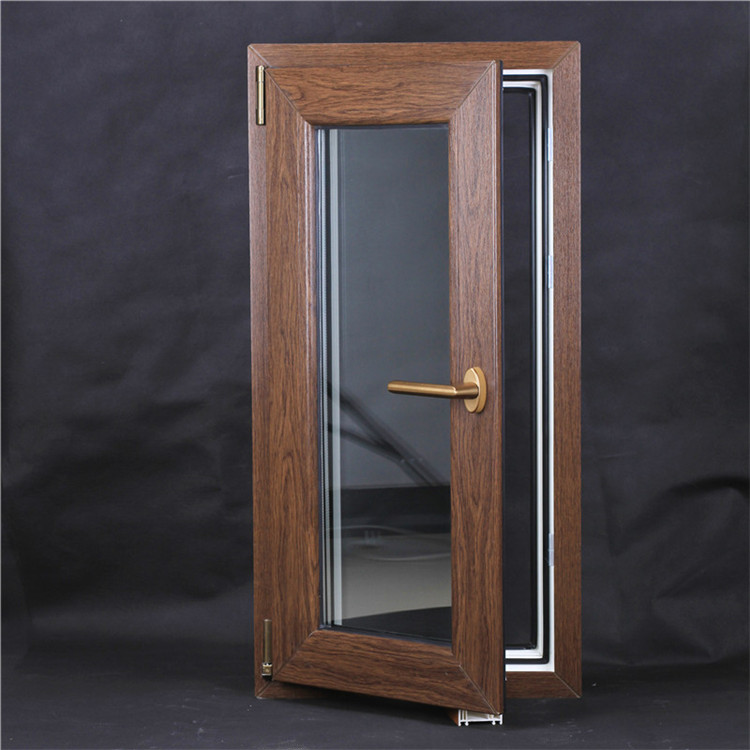
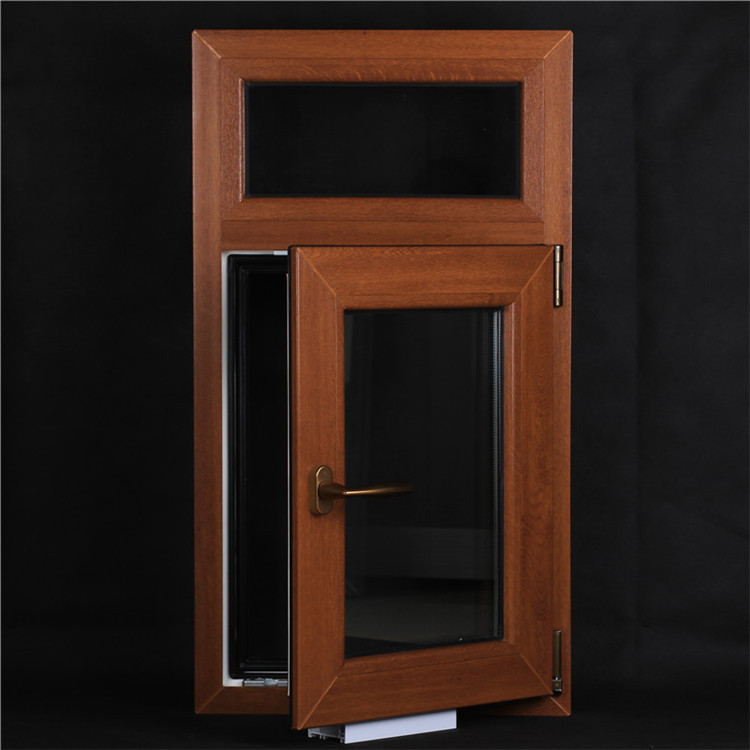
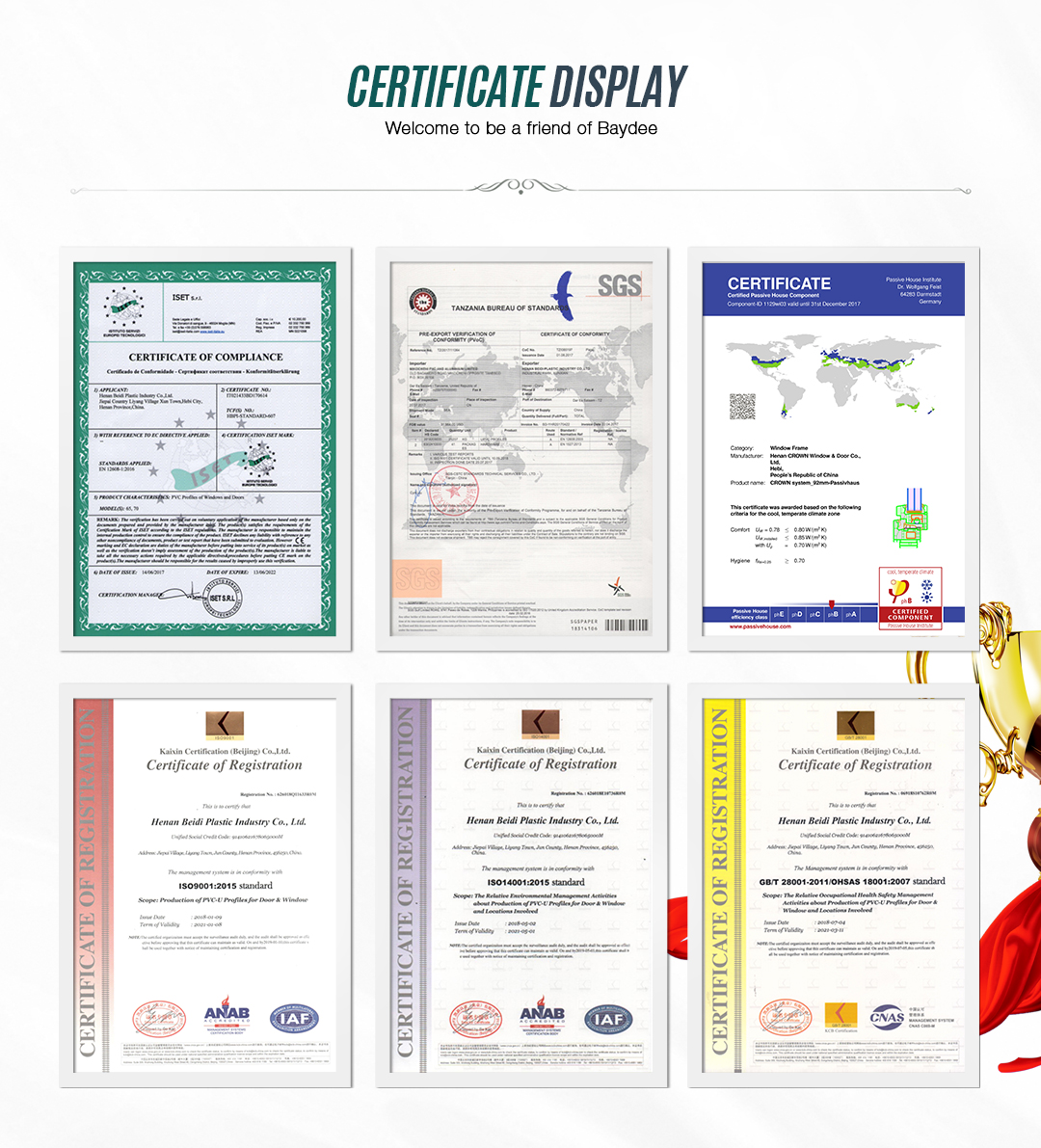
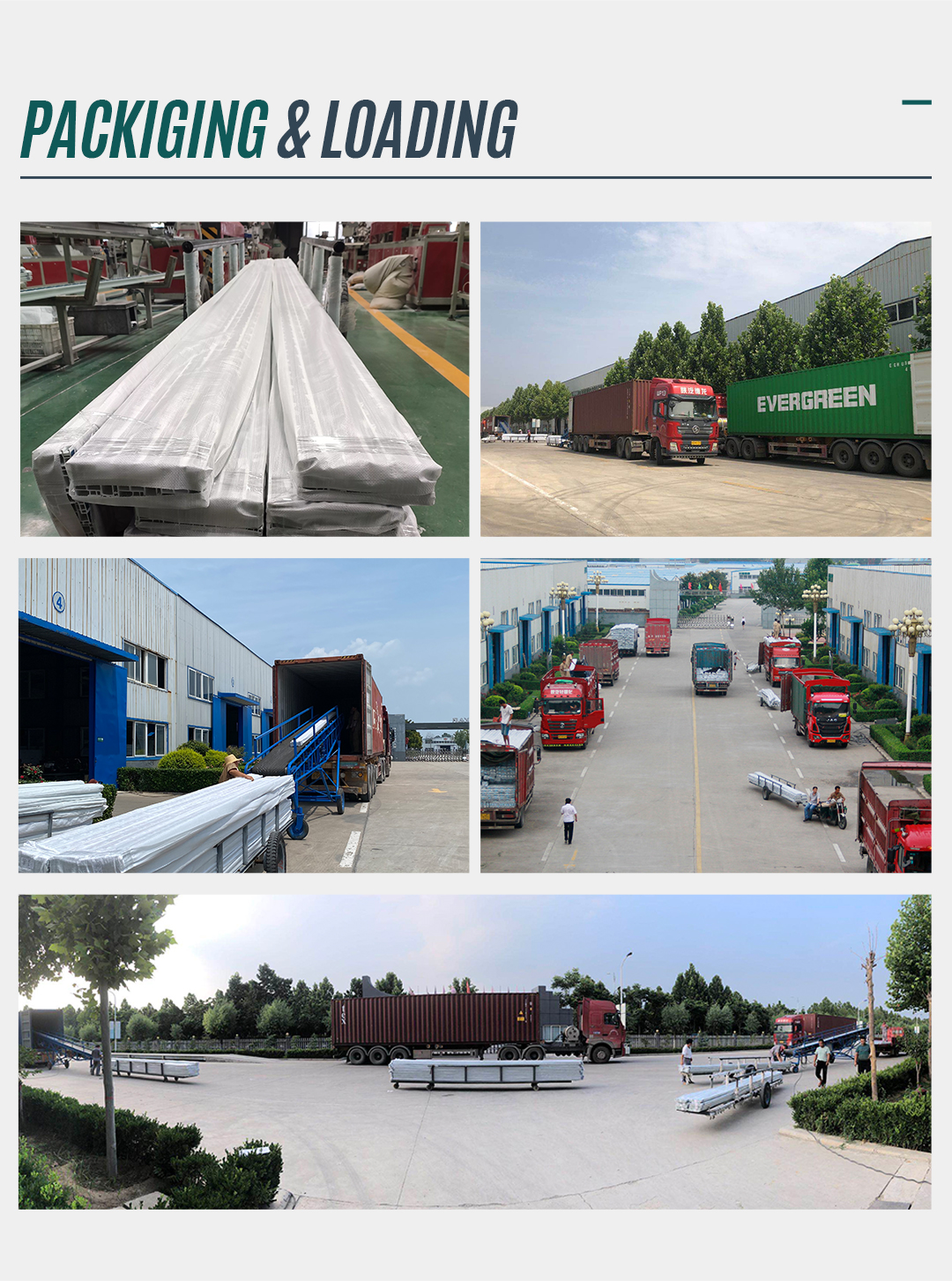
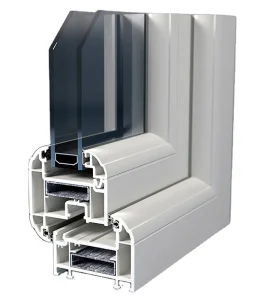
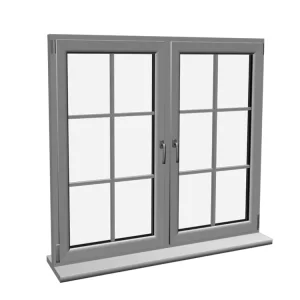
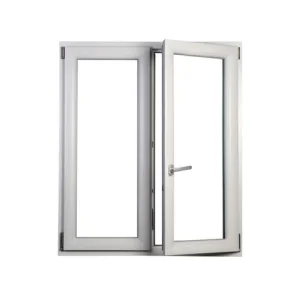
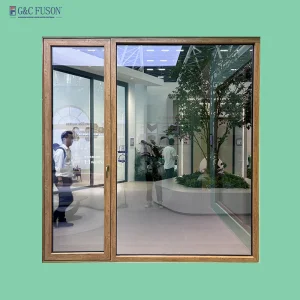
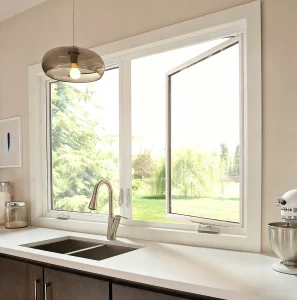
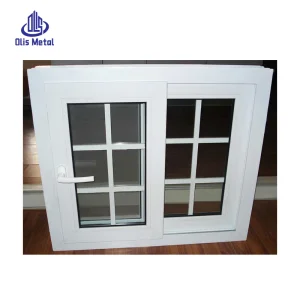
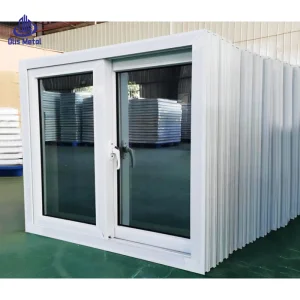
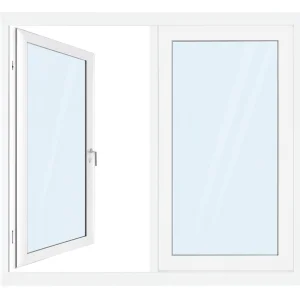
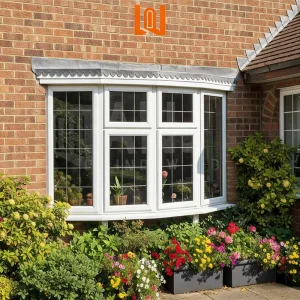
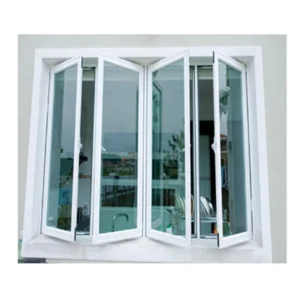
The products ranges are 60 series sliding windows and doors, 60 series casement and tilt turn windows, 60 series casement doors, 80 series sliding windows and doors, 80 series casement doors, and 88 series sliding doors. More new series are under development, such as 100 series, 75 series, and 90 series.
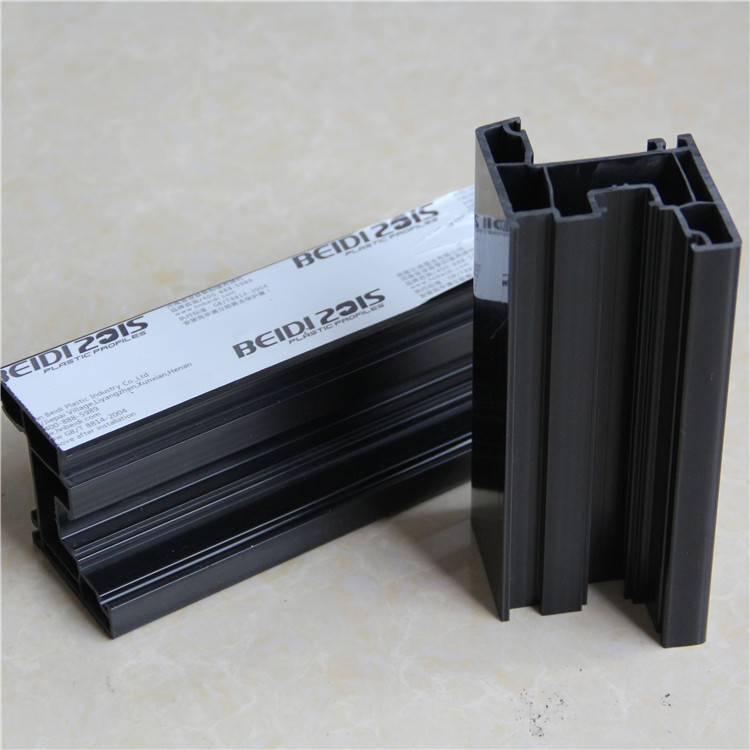
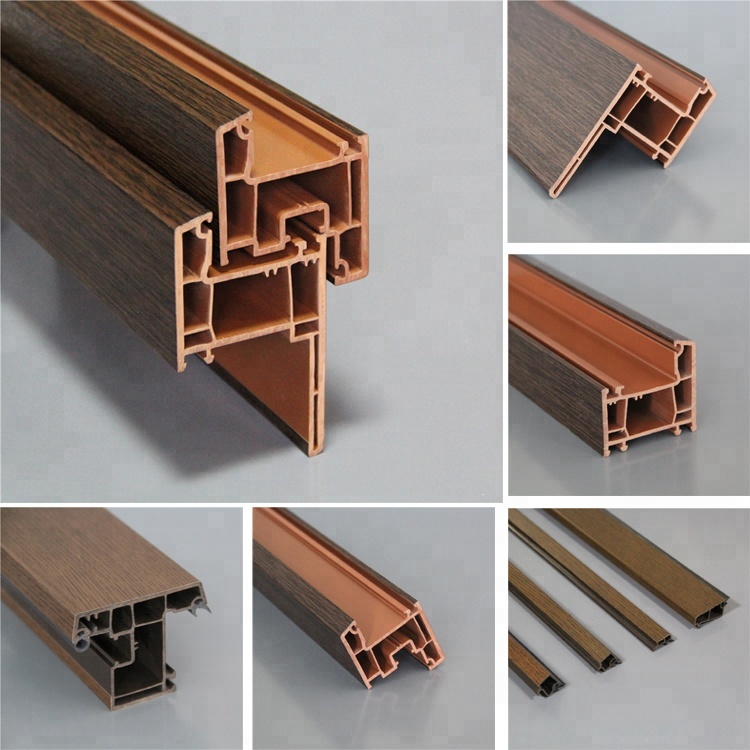
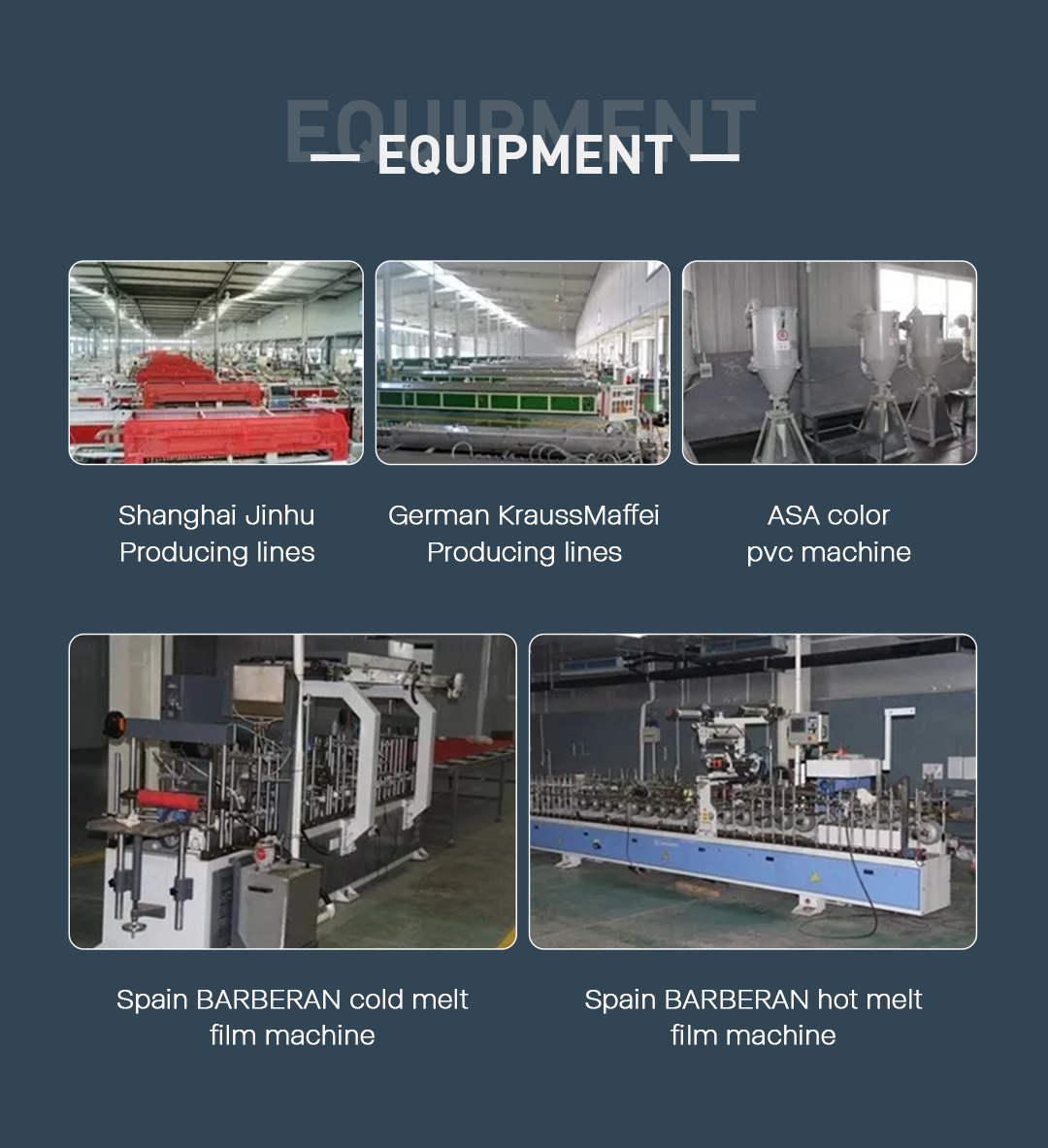
ASA material is used to do the co-extrusion on the surface of the profiles which provides two main advantages: first, the color is highly decorative; second, it is highly anti-UV, which is very helpful for hot climate countries. Currently, 192 colors are available.
Frequently Asked Questions
What are the main advantages of using uPVC profiles for windows and doors?
uPVC profiles offer excellent thermal insulation, durability, and are resistant to corrosion and moisture. They are energy-efficient and require very low maintenance compared to traditional wood or aluminum frames.
How do ASA-coated profiles perform in hot climates?
The ASA (Acrylonitrile Styrene Acrylate) material used in co-extrusion is specifically designed for high weather resistance and anti-UV properties, preventing fading and degradation even in extremely hot and sunny environments.
What series of profiles are available for different window types?
We provide a wide range including the 60 series for sliding and casement windows, the 80 series for larger sliding and casement doors, and specialized 88, 90, and 100 series for various architectural requirements.
Are these uPVC profiles environmentally friendly?
Yes, our profiles are designed with green environment protection in mind. uPVC is a recyclable material, and its superior thermal insulation helps reduce energy consumption in buildings.
How many color options can I choose from?
With our advanced co-extrusion technology, we currently offer 192 decorative colors, allowing for a high degree of customization to match any architectural style.
Are the profiles fire retardant?
Yes, our uPVC profiles have fire-retardant properties, meaning they do not support combustion and are self-extinguishing in the event of a fire, providing an extra layer of safety for buildings.
 Nova Panel