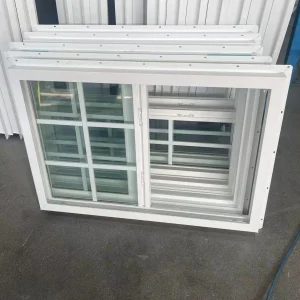
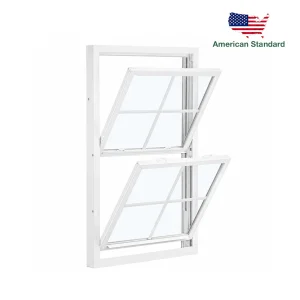
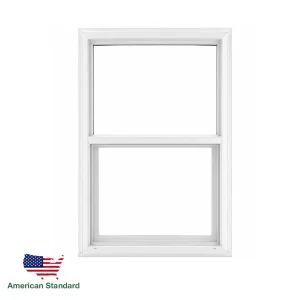
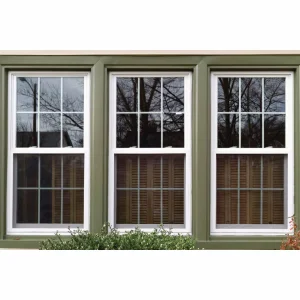
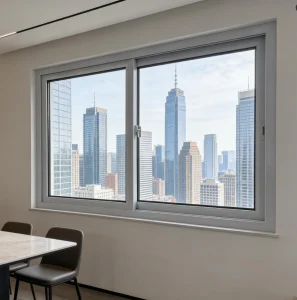
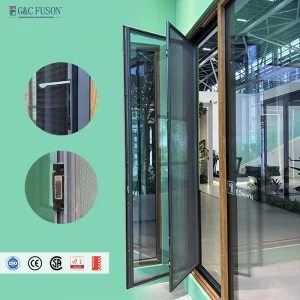
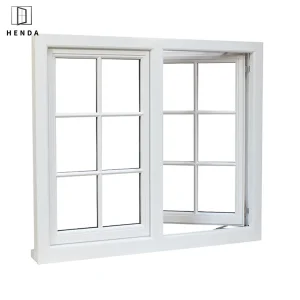
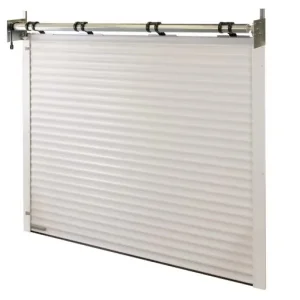
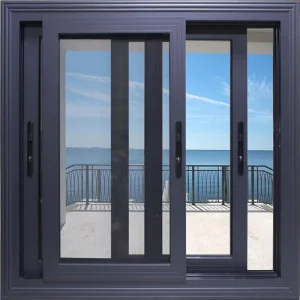
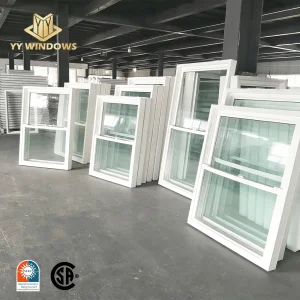
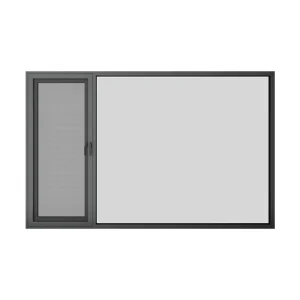
Explore our certified range of uPVC windows and architectural glazing products designed to meet demanding global building codes.
The global construction industry is undergoing a structural transition toward decarbonization and high-performance building envelopes. Within this paradigm shift, unplasticized Polyvinyl Chloride (uPVC) sliding doors and windows have established dominance over traditional timber and standard aluminum systems. Characterized by low thermal conductivity, high chemical stability, and long mechanical lifespans, uPVC systems are integral to modern Green Building rating schemes such as LEED, BREEAM, and passive house designs.
On a macro scale, urbanization combined with increasingly stringent regional energy conservation directives—such as the EU's Energy Performance of Buildings Directive (EPBD) and North America's ASHRAE 90.1 standard—has accelerated demand for thermal-break profiles. Historically restricted to residential markets, uPVC sliding doors are now widely specified in mid-rise commercial properties, coastal resorts, and industrial complexes due to advancements in profile engineering and multi-point security mechanics.
As the world's leading manufacturing hub for architectural polymers, China houses a highly sophisticated supply chain network for uPVC extrusion and processing. Advanced material formulation laboratories in the region develop high-performance UV-stabilized titanium dioxide (TiO2) and calcium-zinc stabilizers, which prevent polymer degradation in regions with extreme solar radiation (e.g., Australia, the Middle East, and South America).
Shenzhen Nova Panel Co., Ltd. sits at the intersection of this innovative cluster. By integrating local chemical engineering breakthroughs with German and Austrian extrusion lines, Chinese exporters now deliver custom architectural elements that carry international certifications (NFRC, NOA, FPA, AS2047) at a competitive cost-of-ownership scale. The sourcing logistics are optimized through direct proximity to major global ports (Shenzhen and Hong Kong), allowing for highly efficient maritime freight coordination.
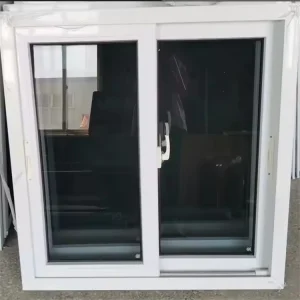
Shenzhen Nova Panel Co., Ltd. customizes uPVC sliding door systems down to the millimetric level, meeting precise structural, wind load, and thermal parameters.
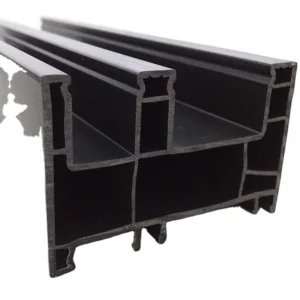
Our uPVC sliding doors utilize a multi-chamber structure (typically 5 to 7 isolated chambers) that divides the internal cavity into distinct zones. This design limits convection currents within the profile, dramatically reducing thermal bridging and acoustic transfer.
To resist deflections caused by wind pressure and heavy sash loading, we insert hot-dipped galvanized steel reinforcement channels inside the main uPVC profiles. These steel cores are mechanically fastened to structural hardware anchor points.
We feature integrated co-extruded TPE (Thermoplastic Elastomer) or high-grade EPDM gaskets. The continuous weather-stripping lines on the frame-sash interface prevent air infiltration and water ingress even during intense typhoon rainstorms.
| Performance Metric | Test Standard Reference | Nova Panel Performance Level | Engineering Significance |
|---|---|---|---|
| Thermal Transmittance (U-Value) | EN ISO 10077-1 / NFRC 100 | 1.1 to 1.6 W/m²K (Glass Dependent) | Minimizes mechanical HVAC load requirements |
| Acoustic Insulation (STC/Rw) | ASTM E90 / ISO 717-1 | Rw = 35 dB – 45 dB (With IGUs) | Ideal for high-noise urban highway and airport corridors |
| Air Permeability | ASTM E283 / EN 12207 | Class 4 (Highest Level) | Prevents energy loss via air leakage in pressurized structures |
| Water Resistance | ASTM E331 / EN 12208 | Class E900 (900 Pa static pressure) | Zero leakage under hurricane rain conditions |
| Wind Load Resistance | ASTM E330 / EN 12210 | Class C5 / P3 ≥ 5000 Pa | Maintains structural integrity in high-rise coastal projects |
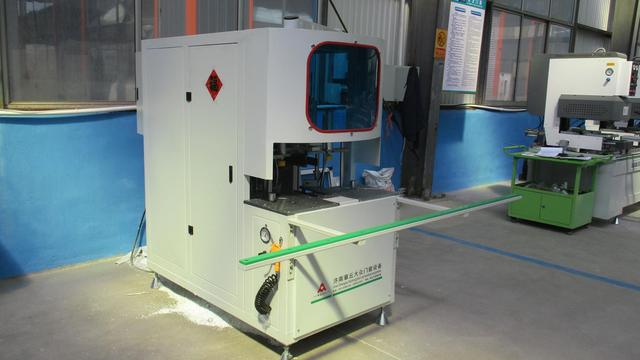
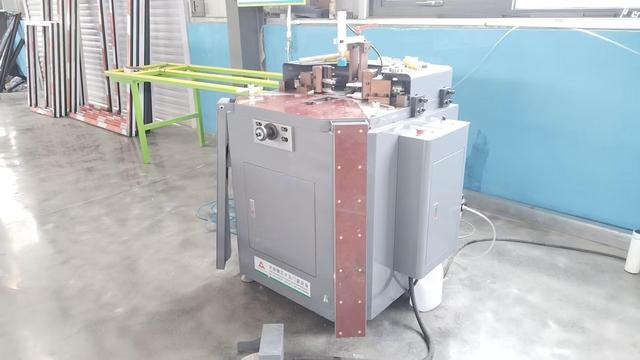
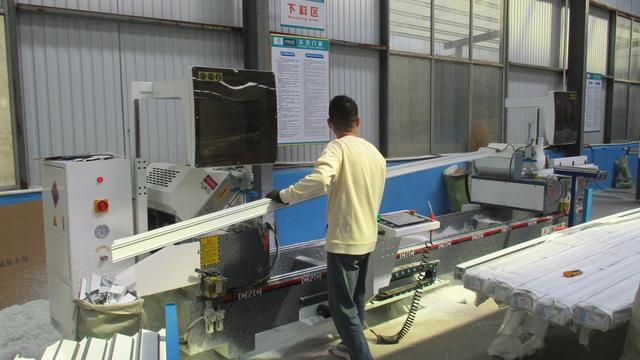
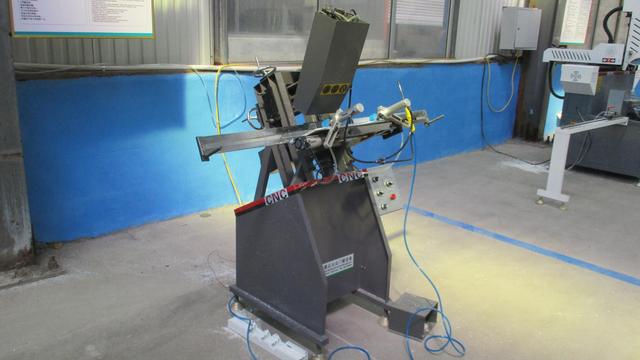
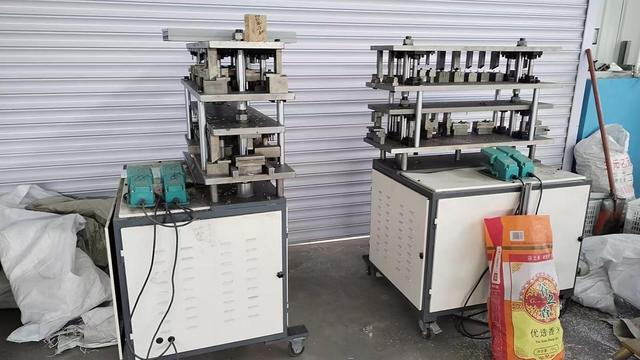
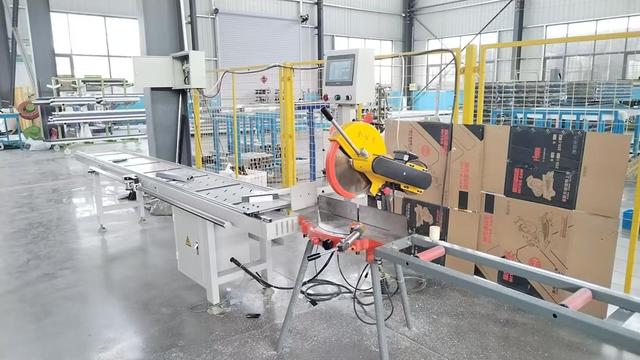
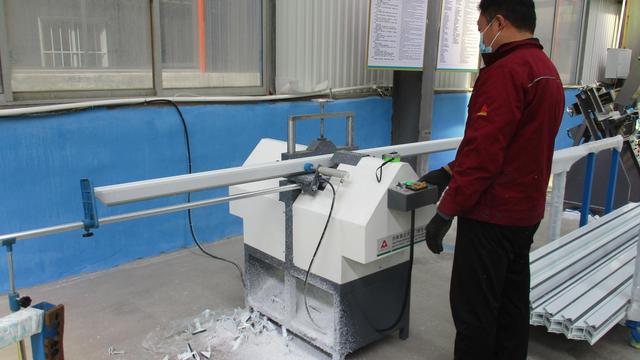
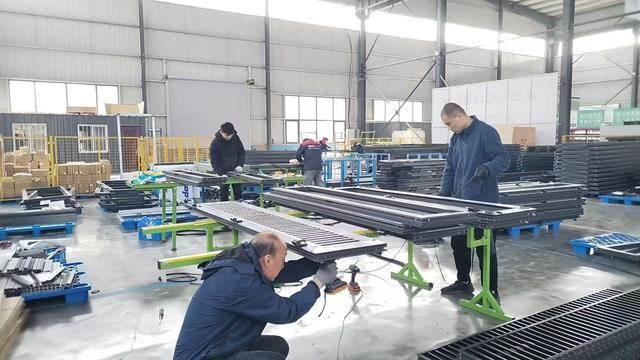
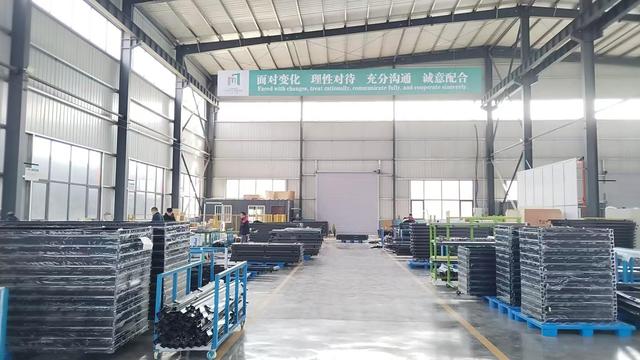
Spanning a modern production envelope of more than 12,000 square meters in Shenzhen, our manufacturing facility is designed for high-efficiency, consistent-quality window and door systems. With over 220 highly skilled workers, our operational workflow aligns with Industry 4.0 paradigms. Automated twin-head cutting saws execute compound miter profile cuts with sub-millimeter tolerances, while four-point CNC welding stations seal frame junctions simultaneously, preventing stress points and visual imperfections.
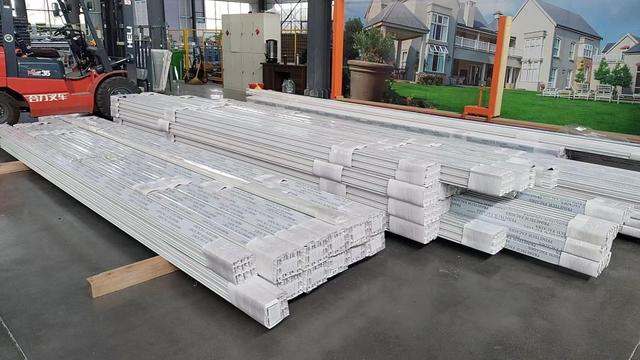
Our profile extrusion lines leverage precise temperature control to guarantee uniform wall thickness, molecular density, and pigment dispersion. Every batch of uPVC compound is monitored in-house to verify thermal stability, impact resistance, and gloss consistency prior to line release.
Shenzhen Nova Panel Co., Ltd. maintains traceably documented quality control across the lifecycle of each architectural shipment. We operate under ISO 9001:2015 management parameters. Our structural glazing units are produced under automated gas-filling and dual-seal environmental controls to prevent premature desiccant saturation or gas leakage.
Our products are certified across primary global target markets, carrying NFRC (National Fenestration Rating Council) ratings, NOA (Notice of Acceptance) approvals, FPA (Florida Product Approval) certifications for high-velocity hurricane zones, and Australia's AS2047 performance test credentials. This structural certification portfolio ensures building inspectors, structural engineers, and main contractors can specify our systems with confidence.
Designing and engineering fenestration systems tailored to specific geographical climates, structural archetypes, and localized zoning requirements.
Coastal developments face high wind velocity, salt-spray corrosion, and driving rain. Traditional metal profiles pit and corrode, while poor frame engineering can lead to structural failure.
Nova Panel Solution: We deploy thick-walled uPVC profiles with multi-point locking mechanisms and hurricane-rated impact glass. The high titanium dioxide content prevents UV yellowing from reflective ocean radiation, while non-corrosive stainless steel track rails ensure long-term sliding performance.
In Northern Europe, Canada, and the Northern US, heating demand dictates building envelope specifications. Windows and sliding doors are the primary sources of thermal loss.
Nova Panel Solution: We supply NFRC-certified triple-glazed window configurations filled with 90% Argon gas, featuring double-layer Low-E coatings and warm-edge spacer bars. This reduces local U-factors below 1.2 W/m²K, optimizing indoor energy conservation and keeping rooms warm.
High-density residential and hospitality projects located near transit hubs, airports, or major arterial highways require sound reduction levels to maintain occupant well-being.
Nova Panel Solution: We leverage heavy multi-chamber uPVC profiles paired with asymmetric double or triple glazing (e.g., 6mm + 12Ar + 4mm). Together with continuous compression EPDM gaskets, this system significantly reduces outdoor noise, achieving Rw/STC ratings above 42dB.
Shenzhen Nova Panel Co., Ltd. continuously invests in advanced materials research. Our R&D pipeline is currently focused on polymer modification and smart-home integration. By incorporating ASA (Acrylonitrile Styrene Acrylate) co-extrusion technology, we can achieve high-performance exterior color finishes that reflect near-infrared radiation, lowering profile temperatures and preventing warp under intense heat.
Our developmental roadmap also targets smart-glazing systems. We are currently testing integrated electrochromic glass panes within our standard uPVC sliding frames. This allows users to adjust glass opacity and solar heat gain coefficients via automated building management systems or smart home devices.
Modern sustainability focuses on circular economies. uPVC is highly recyclable; our factory scrap is sorted, cleaned, micronized, and re-introduced into the non-visible inner walls of new profiles without compromising structural performance.
By phasing out heavy metal stabilizers and transitioning to calcium-zinc compounds, our production complies with strict EU REACH and RoHS regulations. We aim to minimize our carbon footprint per unit output, ensuring our uPVC window and door systems serve as long-term, eco-friendly assets in green real estate portfolios.
Detailed engineering answers to the most common questions regarding structural parameters, customization, and export logistics.
uPVC stands for Unplasticized Polyvinyl Chloride. Unlike standard PVC, which contains added plasticizers for flexibility, uPVC contains zero plasticizers. This omission makes the material highly rigid, structurally stable, and resistant to UV, temperature swings, and chemical exposure. It will not warp, rot, or degrade over time, making it ideal for structural building envelopes.
We use premium raw uPVC compounds and structural configurations that undergo rigorous physical testing in certified third-party laboratories. For NFRC compliance, our insulated glass units (IGUs) are tested for overall U-factor, solar heat gain coefficient (SHGC), and visible light transmittance. For Australian AS2047 standards, our window assemblies are tested under high static pressure chambers to measure air infiltration, water penetration resistance, and structural deflection under wind loads.
Yes. While raw uPVC is light, our profiles feature internal chambers reinforced with hot-dipped galvanized steel cores (typically 1.5mm to 2.5mm thick). This steel framework carries the structural load of heavy triple-glazed or laminated security glass units. High-load rollers and reinforced structural tracks are also anchored directly into the steel cores to ensure smooth operation over years of use.
We offer a range of finishes: 1) Standard solid extruded profiles in white, beige, or gray; 2) Co-extruded PMMA/ASA cap layers that provide hard, scratch-resistant colored surfaces; and 3) Premium architectural lamination foils (such as Renolit) in various wood grain textures and solid matte metallic finishes. These foils are hot-laminated onto the profiles using PUR adhesive systems for durability in high-UV regions.
Fenestration exports require careful logistics. Our packaging includes protective corner caps, foam wraps, and heavy-duty shrink film on all profile surfaces. For full container loads (FCL), the windows are loaded onto custom iron or wooden pallets and secured with heavy-duty straps. For less-than-container loads (LCL), the products are packed into fully enclosed plywood crates to prevent movement and damage during shipping.
Standard production lead times are 30 to 45 days after CAD shop drawings are approved and the deposit is received. The exact timeline depends on the order volume, profile configuration, glass specs (e.g., custom low-E or laminates), and whether custom hardware is required. We provide milestone tracking from profile extrusion to final container loading.
Browse our range of performance-tested uPVC and aluminum window and door systems designed for global residential and commercial projects.
 Nova Panel