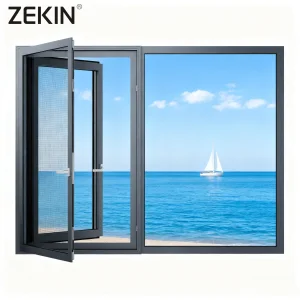
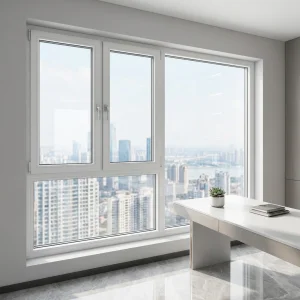
High-performance fenestration products engineered for local Swiss energy efficiency standards.
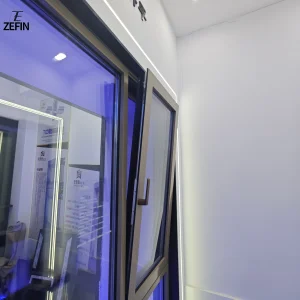
In the canton of Geneva, architecture is not merely about aesthetic excellence; it is heavily dictated by rigorous sustainability standards and energy performance mandates. The canton has committed itself to the "Société à 2000 watts" blueprint and the stringent guidelines of the Swiss Cantonal Energy Directorate (EnDK), popularized under the MuKEn 2014 (Modèle de prescriptions énergétiques des cantons) regulations. For architects, contractors, and project developers in Geneva, choosing the right window profiles is a matter of legal compliance and structural durability.
Geneva's thermal demands correspond to Class C climatic conditions, characterized by cold winters and mild-to-warm summers, with strong gusts coming off Lake Geneva. According to the Swiss standard SIA 380/1 (Thermal Energy in Buildings), the maximum thermal transmittance coefficient (U-value) allowed for external window replacements in heated spaces is currently Uw ≤ 1.0 W/(m²·K). In the case of strict Minergie-P or Minergie-A certifications (the Swiss voluntary standard for low-energy consumption buildings), the threshold drops even further to Uw ≤ 0.8 W/(m²·K).
Meeting Swiss national standards for thermal efficiency with multi-chamber thermal breaks and triple-glazing options.
Optimized low-E coatings and argon gas fillings to achieve sub-0.8 W/(m²·K) values, required for modern passive structures.
Specialized acoustic glass laminates reducing ambient urban noise pollution by up to 45dB near major traffic routes.
Moreover, urban centers along the Rhône corridor and areas surrounding the Geneva Airport (Cointrin) require strict acoustic attenuation. Under the Swiss federal noise protection ordinance (OPB), windows along traffic corridors must possess a sound transmission class (STC) rating capable of reducing decibel levels by 35 to 45 dB. Under these regulatory pressures, traditional single-action windows have rapidly lost ground to high-performance, double-sealed, and triple-sealed uPVC Tilt and Turn Windows.
The construction sector in Geneva operates on thin margins combined with exceptionally high local labor rates. Sourcing materials domestically or within adjacent European borders (such as France or Germany) places a massive financial burden on developers. This has prompted a major shift toward high-quality, international manufacturers capable of offering OEM/ODM capabilities without compromising on international standards like CE, NFRC, or Swiss SIA guidelines.
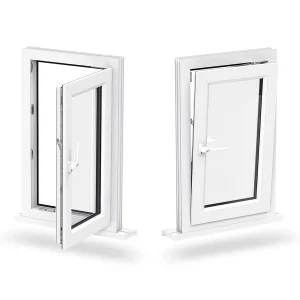
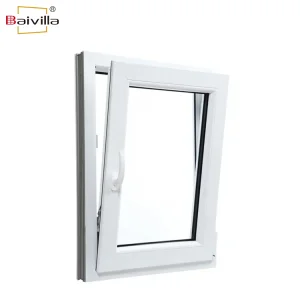
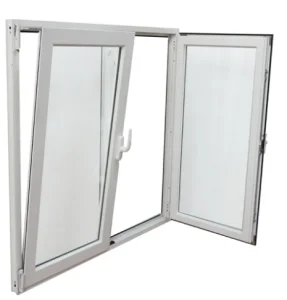
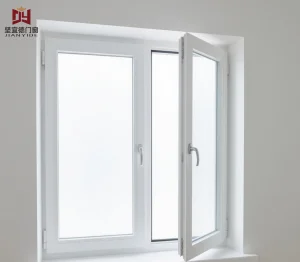
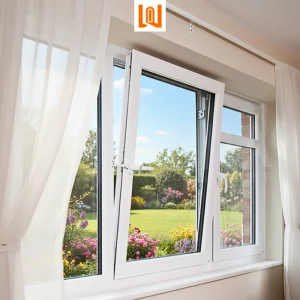
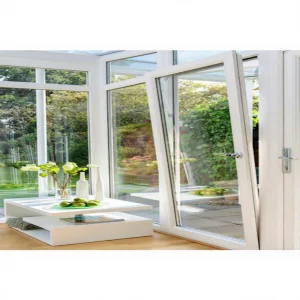
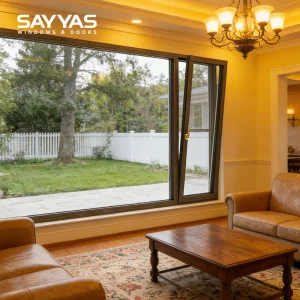
Unlike standard outward-opening windows, the dual-action European Tilt and Turn mechanism is uniquely aligned with continental lifestyle habits. By turning the handle 90 degrees, the sash swings inward from the side, allowing for easy cleaning and maximum ventilation. Turning the handle 180 degrees tilts the top of the sash inward, providing secure, draft-free ventilation. In high-rise residential projects throughout Geneva (such as the Lancy or Meyrin developments), this is critical for safety and weatherproofing against high-altitude wind pressure.
From a global procurement perspective, developers look for manufacturers that can handle bulk custom projects. Specifically, projects in Geneva mandate precise custom frame colors to match local historic urban planning codes (often requiring specific RAL codes like Anthracite Grey RAL 7016 or DB 703 micaceous iron oxide). Sourcing directly from modern smart factories in China allows developers to bypass traditional layers of intermediaries, achieving up to 40% cost reductions, even when factoring in international freight logistics and customs duties.
At the center of high-performance global window manufacturing sits Shenzhen Nova Panel Co., Ltd., a professional uPVC Window Manufacturer specializing in energy-efficient window systems, custom architectural glazing solutions, and OEM/ODM production services. Established in 2011, our modern manufacturing facility spans more than 12,000 square meters and employs over 220 highly skilled specialists, bridging the gap between mass-scale production efficiency and Swiss-grade quality requirements.
| Parameter | European/Swiss Standard | Nova Panel uPVC Tilt & Turn Specs | Geneva Compliance Status |
|---|---|---|---|
| Thermal Transmittance (Uw) | ≤ 1.0 W/(m²·K) (SIA 380/1) | 0.75 - 0.95 W/(m²·K) (Triple Glazed Low-E) | Fully Compliant (Exceeds Minergie-P) |
| Acoustic Rating (Rw + Ctr) | ≥ 35 dB (Urban zones) | Up to 45 dB with laminate glazing | Class-leading urban noise control |
| Air Permeability | Class 3 or 4 (EN 12207) | Class 4 (Highest performance) | Protects against alpine windward conditions |
| Water Tightness | Class 9A (EN 12208) | Class E900 (900 Pa pressure resistance) | Ideal for lakeside exposure in Geneva |
Our facility leverages automated co-extrusion processing, precision multi-angle CNC cutting machines, and fully automated seamless welding lines. By controlling the profile formulation (using premium lead-free stabilizers designed for high UV-radiation resistance), we guarantee that our uPVC profiles will not yellow, crack, or warp under the harsh climatic shifts of Western Europe. This level of quality management allows us to export to North America, Europe, the Middle East, Southeast Asia, and Australia, delivering consistent performance for high-profile residential and commercial applications.
Visualizing our 12,000 sqm state-of-the-art facility, CNC machinery, and rigorous quality inspection protocols.
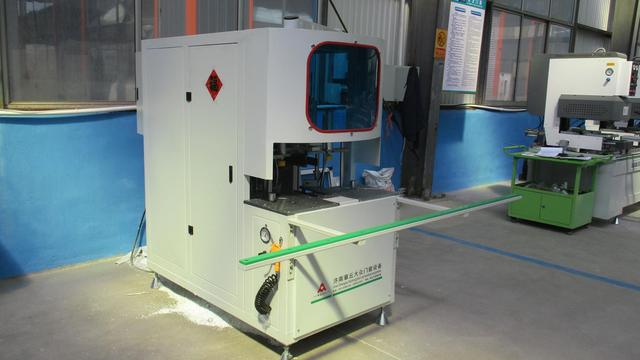
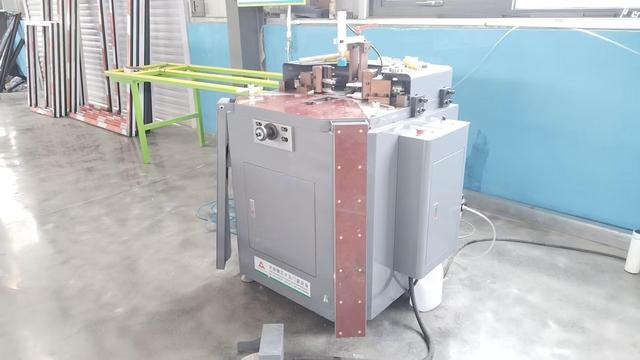
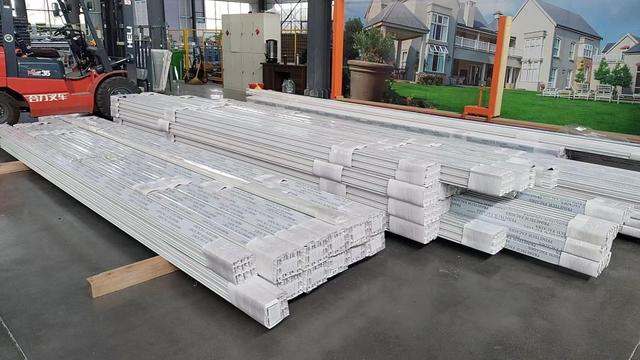
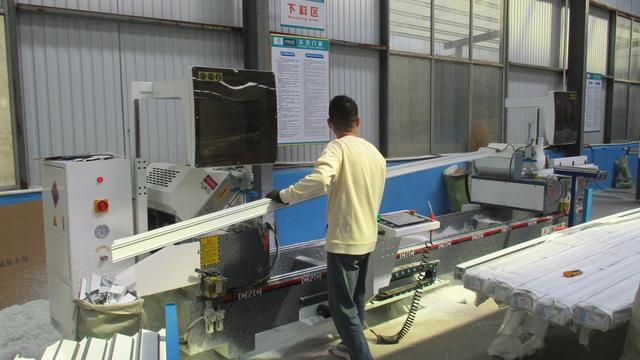
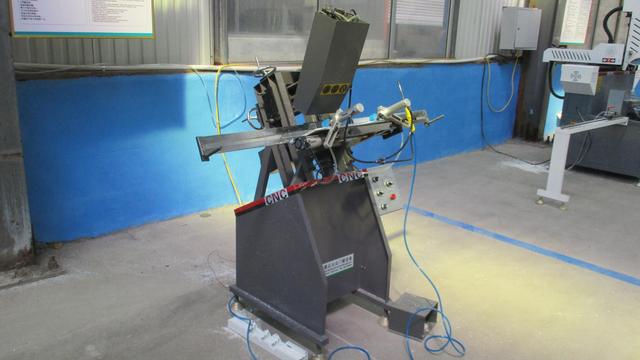
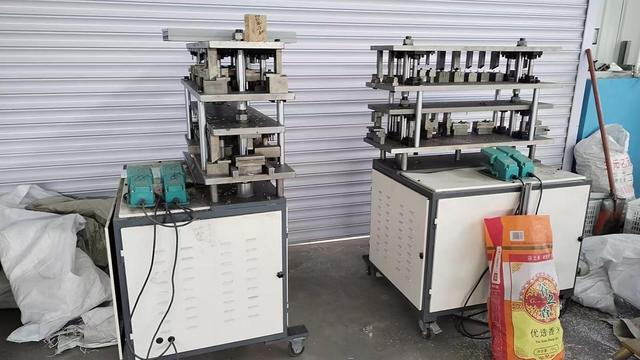
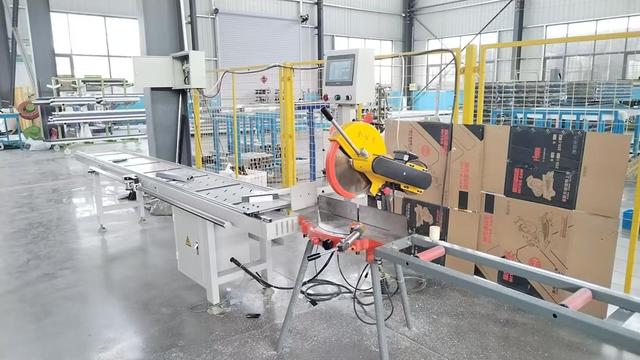
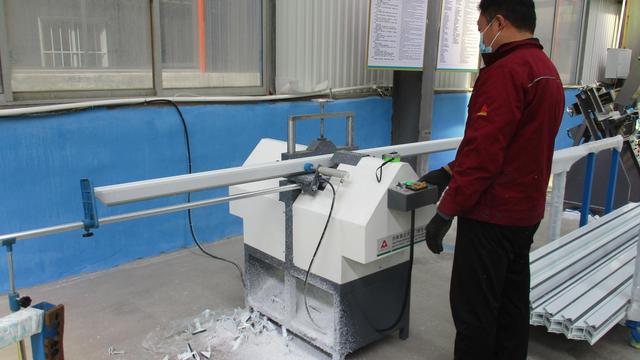
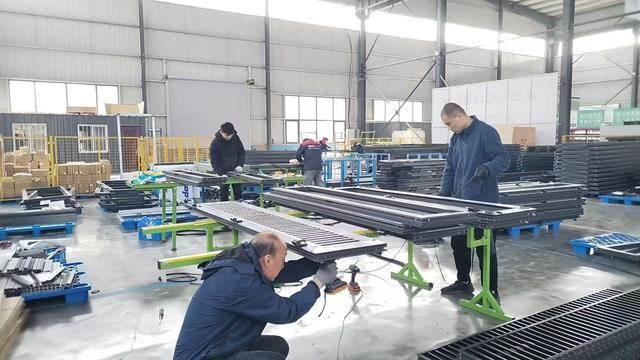
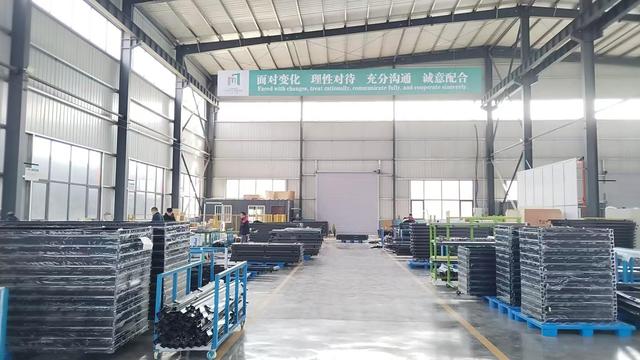
Our dedicated engineering and project management team collaborates closely with customers on product customization, including frame profiles, glazing configurations, hardware selection, surface finishes, colors, dimensions, and packaging requirements. This flexible manufacturing approach enables Nova Panel to support both small-scale developments and large-volume construction projects.
Depending on the structural application and zoning laws within Geneva, windows must adapt to different parameters. Below are the three most common architectural applications for our high-end uPVC systems:
Urban density demands excellent noise mitigation and effortless ventilation. Our multi-chamber, double-glazed, and triple-glazed uPVC profiles (including systems like the VEKA Profile High-Quality PVC Window) provide a sound insulation envelope. With tilt-action ventilation, residents can safely ventilate their apartments overnight without worrying about wind-driven rain or intrusion risks, which is highly valued by urban property managers across Geneva.
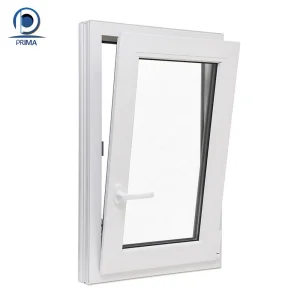
Structures built close to Lake Geneva face severe microclimates, characterized by humid breezes and strong winter winds. Sourcing coastal-grade uPVC profiles (such as the PRIMA Coastal Grade uPVC Tilt Turn Window) with reinforced multi-point steel locking hardware is vital to prevent frame deflection. Additionally, these properties require low-emissivity glass to reflect high summer solar heat gain while retaining internal ambient warmth during winter.
Commercial structures in the UN district prioritize structural durability, absolute energy compliance, and low maintenance costs. The high thermal mass of our custom smart-tempered tilt-and-turn profiles allows for large sash designs that maximize daylight ingress while maintaining strong structural integrity. Our heavy-duty European hardware ensures thousands of trouble-free operations, minimizing long-term maintenance costs for commercial facility managers.
Addressing the technical, logistics, and compliance questions of Swiss architects, developers, and purchasing agents.
Leading manufacturers like Shenzhen Nova Panel engineer profiles to meet international CE (EN 14351-1) requirements. By integrating European-standard profile chambers (5 to 7 chambers), steel reinforcements, and world-class glass from brands like Saint-Gobain, our windows achieve certified thermal values (U-value down to 0.75 W/m²K) that easily meet and exceed SIA 380/1 and Minergie-P energy standards.
Production typically takes 25 to 35 days depending on the volume and customization requirements (e.g., custom RAL colors or specialty laminated glass). Shipping from the Port of Shenzhen to European hubs (Rotterdam or Genoa) takes around 30 to 35 days, followed by inland rail or road transport directly to the job site in Geneva. We pack all products in reinforced, seaworthy steel or wooden crates to ensure zero breakage upon arrival.
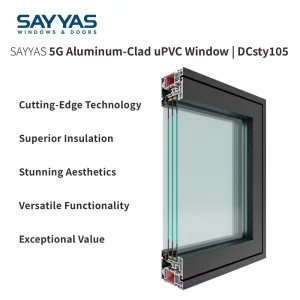
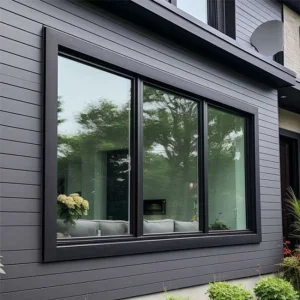
uPVC has an inherently low thermal conductivity compared to aluminum. Even when aluminum frames feature thermal breaks, high-performance uPVC provides superior insulation values at a significantly lower cost. Sourcing hybrid systems, like our aluminum-clad uPVC window (which combines a weather-resistant exterior aluminum cover with a high-insulation interior uPVC multi-chamber frame), delivers the best of both worlds in terms of aesthetics and thermal performance.
Yes. We provide complete color customization via high-quality exterior lamination foils (such as Renolit foils) or via advanced powder-coated aluminum cladding. This allows us to perfectly match strict municipal color requirements (e.g., RAL 7016, RAL 9005, or custom woodgrain patterns) required by the Geneva office for cultural heritage and buildings.
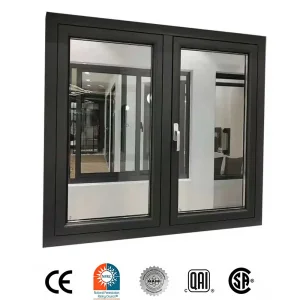
Select from our complete range of certified tilt-and-turn configurations for your next project.
 Nova Panel