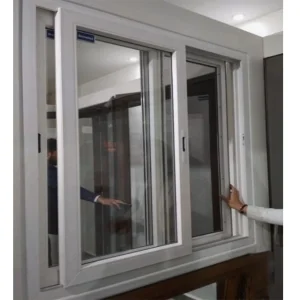
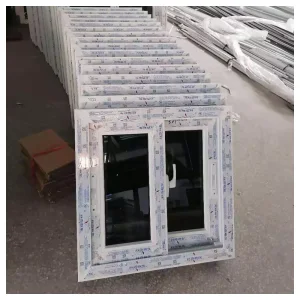
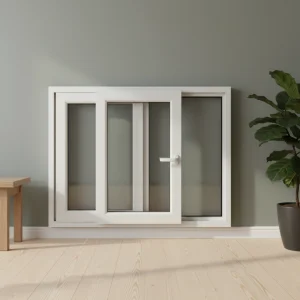
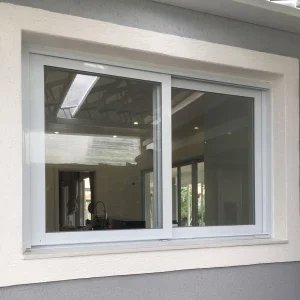
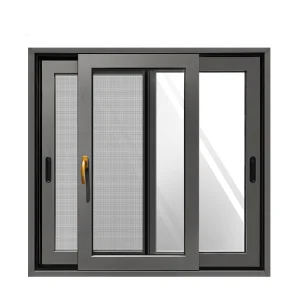
The Japanese construction landscape is undergoing a radical transformation. Driven by the Building Energy Conservation Act and the government's ambitious ZEH (Net Zero Energy House) goals for 2030, the demand for high-performance fenestration has never been higher. Historically, Japan was a market dominated by aluminum frames; however, the physical limitations of aluminum in thermal conductivity have paved the way for the rise of uPVC (Unplasticized Polyvinyl Chloride) sliding windows.
In regions like Hokkaido and Tohoku, where sub-zero temperatures are the norm, uPVC is no longer a luxury—it is a regulatory necessity. Manufacturers and factories catering to the Japan market must now integrate advanced Low-E triple glazing and multi-chambered profiles to meet the stringent JIS (Japanese Industrial Standards) for heat transmission coefficients (U-values). Our manufacturing processes at Shenzhen Nova Panel Co., Ltd. are specifically calibrated to exceed these localized requirements, providing Japanese developers with a competitive edge in energy-certified housing.
Globally, the uPVC window market is projected to reach USD 75 billion by 2028. The shift is fueled by a global commitment to the Circular Economy. Unlike traditional timber or early-gen plastics, modern uPVC is 100% recyclable and requires significantly less energy to produce than aluminum. As a leading uPVC Window Manufacturer based in Shenzhen, China, Nova Panel leverages the world’s most sophisticated supply chain ecosystem.
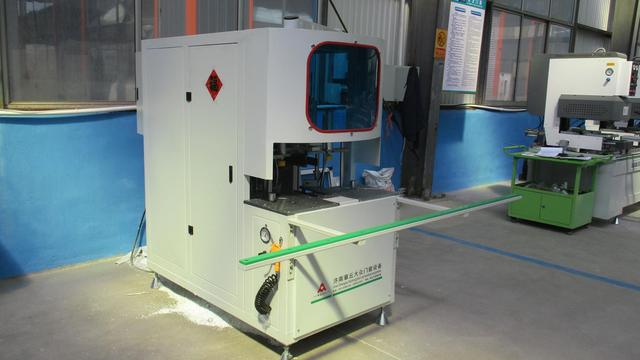
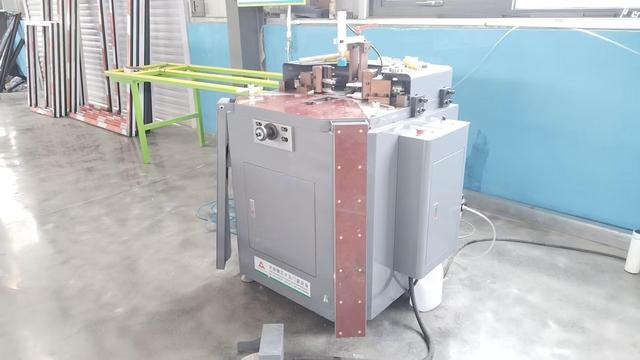
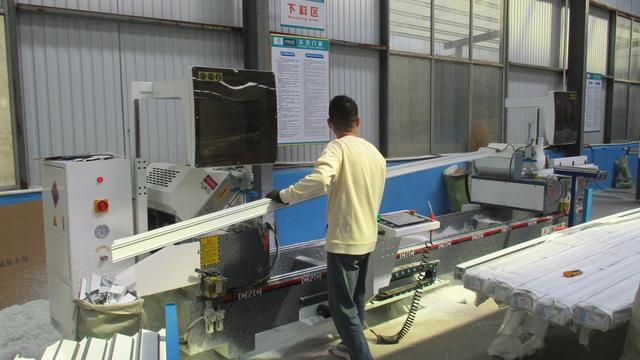
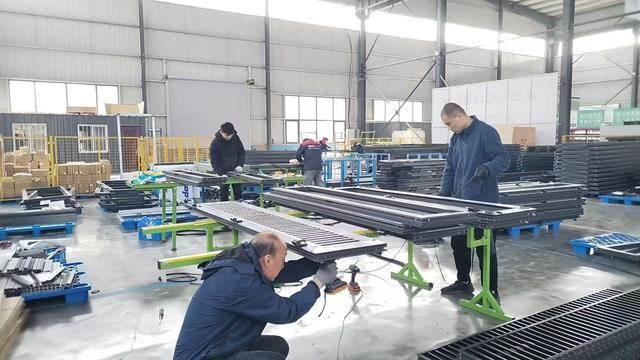
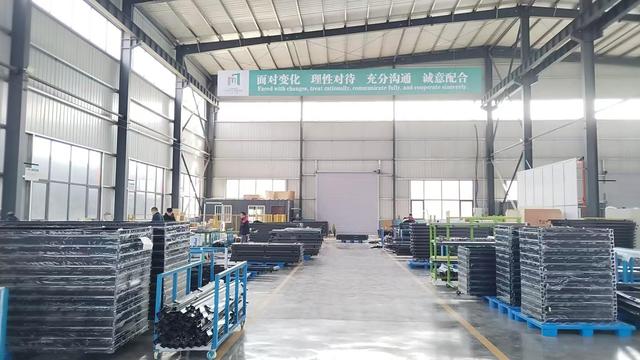
Why do Japanese firms increasingly source from China-based factories like Nova Panel? The answer lies in Information Gain and Process Efficiency. Our facility utilizes German-engineered extrusion lines and automated precision welding. This allows for a level of dimensional accuracy (±0.5mm) that is critical for Japan's high-density urban residential projects. Furthermore, our 12,000 sqm facility in Shenzhen provides a logistical gateway to the ports of Tokyo, Osaka, and Yokohama with lead times that rival domestic Japanese suppliers, but at a significantly optimized cost-to-performance ratio.
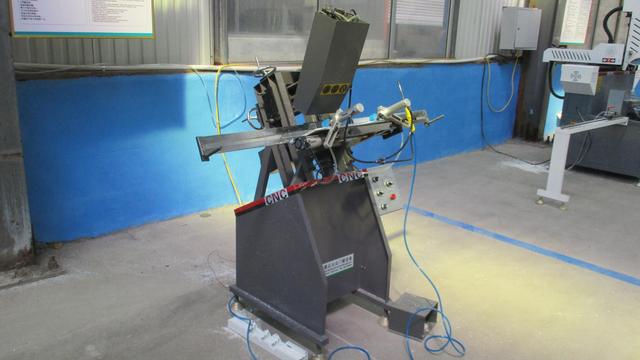
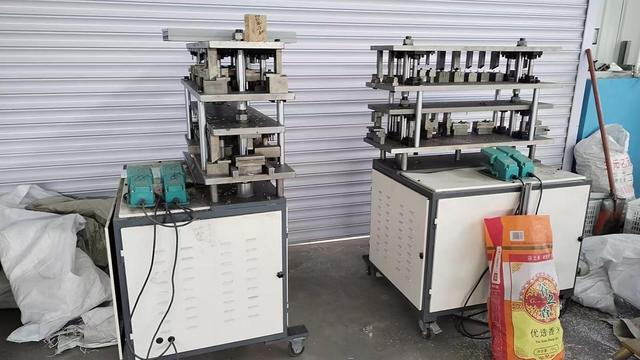
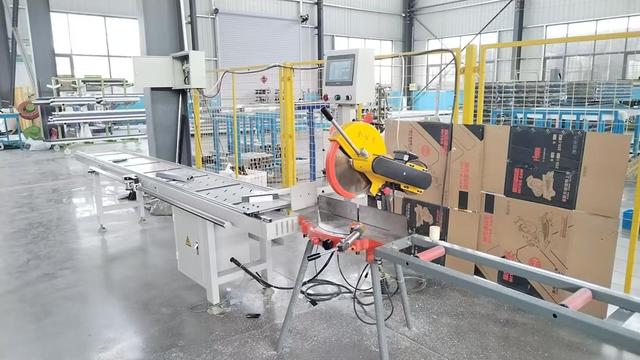
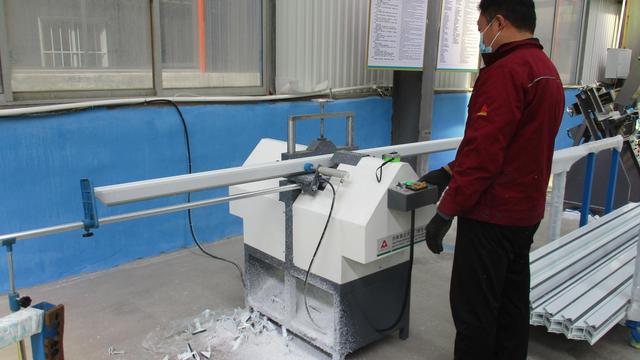
Advanced CNC cutting and automated four-point welding ensure structural integrity and air-tightness exceeding JIS A4702 standards.
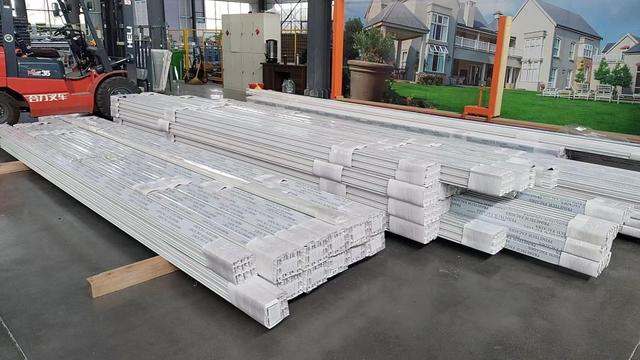
Profiles are enriched with high concentrations of TiO2 (Titanium Dioxide) to prevent yellowing under Japan's varied climate conditions.
Strategic Shenzhen location allows for rapid sea freight, ensuring project timelines are met with JIT (Just-In-Time) delivery capability.
Shenzhen Nova Panel Co., Ltd. is a professional uPVC Window Manufacturer specializing in energy-efficient window systems, custom architectural glazing solutions, and OEM/ODM production services. Established in 2011, the company is headquartered in Shenzhen, China, with a modern manufacturing facility covering more than 12,000 square meters and a workforce of over 220 employees.
Nova Panel focuses on the design, engineering, and production of high-performance uPVC window systems that meet the evolving demands of modern construction. Its product portfolio includes casement windows, sliding windows, tilt-and-turn windows, awning windows, and customized architectural window solutions.
One size does not fit all in the Japanese archipelago. Our R&D team has categorized three primary application scenarios to provide Information Gain for procurement officers:
The future of the uPVC sliding window industry is anchored in Smart Integration and Sustainability. We are seeing a surge in demand for integrated blind systems (within the glass unit) and smart sensors that link windows to home automation systems for optimal natural ventilation. For global procurement directors, the focus has shifted from "lowest unit cost" to "Life Cycle Cost (LCC)." Nova Panel’s windows are designed for a 30+ year lifespan with minimal maintenance, significantly reducing the LCC for building owners in the Japan market.
Lead-free stabilizers and recyclable profiles are now standard in our production to meet ESG (Environmental, Social, and Governance) requirements.
We provide 3D BIM models for our window systems, allowing Japanese architects to integrate our products seamlessly into their digital designs.
 Nova Panel