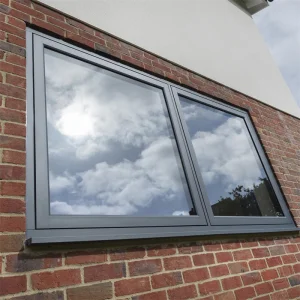
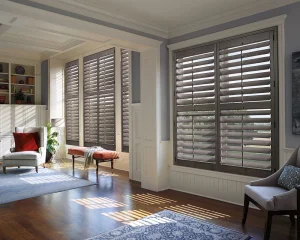
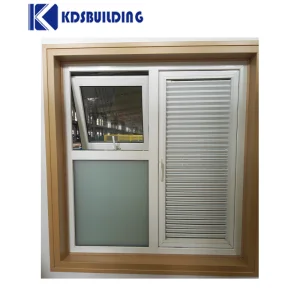
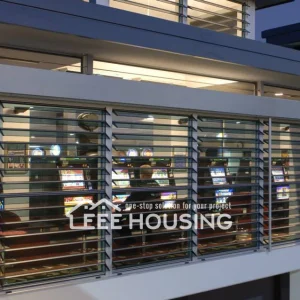
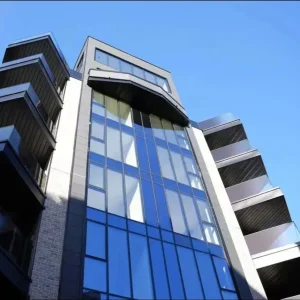
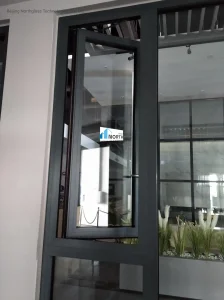
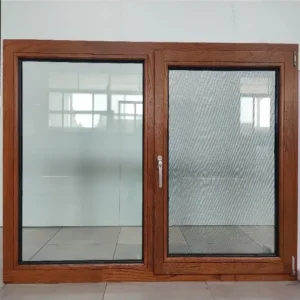
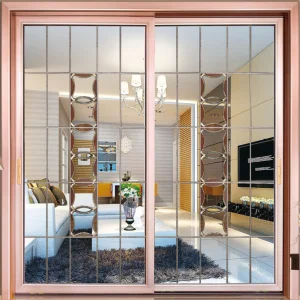
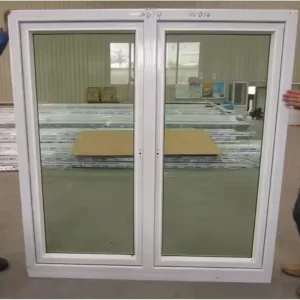
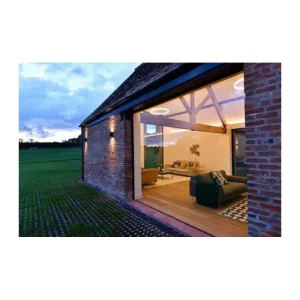
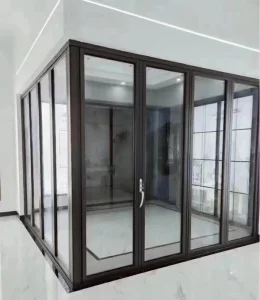
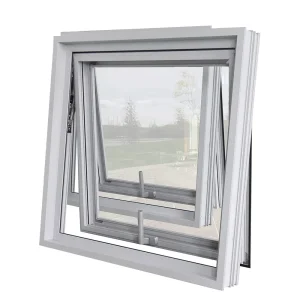
In the rapidly evolving architectural landscape of Los Angeles and Southern California, the demand for high-performance building envelopes has never been more critical. As California enforces some of the strictest energy codes in the United States (Title 24), developers and architects are shifting away from traditional materials toward advanced uPVC (Unplasticized Polyvinyl Chloride) louvre window systems.
Los Angeles presents a unique set of environmental challenges: intense UV exposure, the "Urban Heat Island" effect, and coastal salt-air corrosion. Our uPVC louvre solutions provide an Information Gain advantage by addressing these specific pain points through multi-chambered profile engineering and superior thermal break capabilities that outperform traditional aluminum in energy efficiency ratings (U-factors).
Shenzhen Nova Panel Co., Ltd. stands at the forefront of this industrial shift. As a premier uPVC window manufacturer, we integrate global manufacturing excellence with local Los Angeles compliance requirements. Our systems are not merely windows; they are climate-control instruments designed to maximize natural ventilation while minimizing solar heat gain—a vital balance for the "Mediterranean" climate of the Southland.
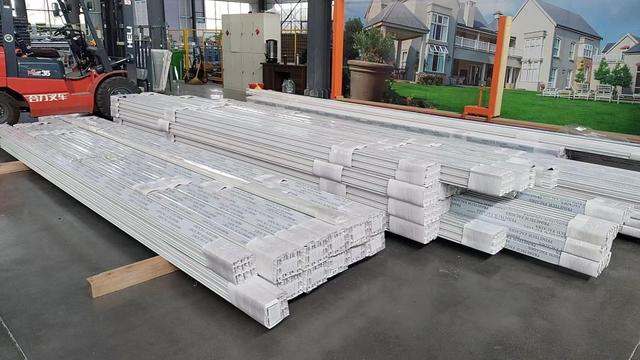
By utilizing automated extrusion technology and precision engineering, we provide Los Angeles exporters and contractors with a product that ensures long-term structural integrity and aesthetic versatility, from Santa Monica modernism to Pasadena traditionalism.
Established Year
Production Facility
Expert Employees
Energy Savings Potential
Shenzhen Nova Panel Co., Ltd. is a professional uPVC Window Manufacturer specializing in energy-efficient window systems, custom architectural glazing solutions, and OEM/ODM production services for residential, commercial, and construction projects worldwide. Established in 2011, the company is headquartered in Shenzhen, China, with a modern manufacturing facility covering more than 12,000 square meters.
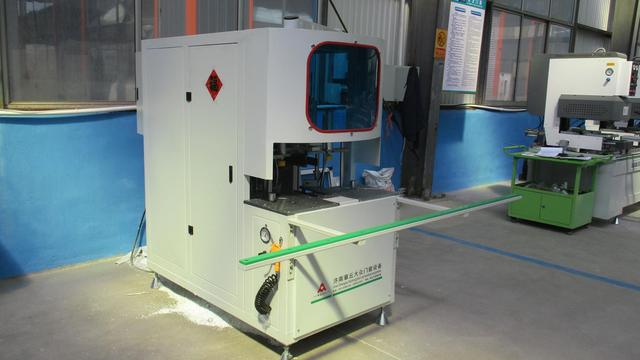
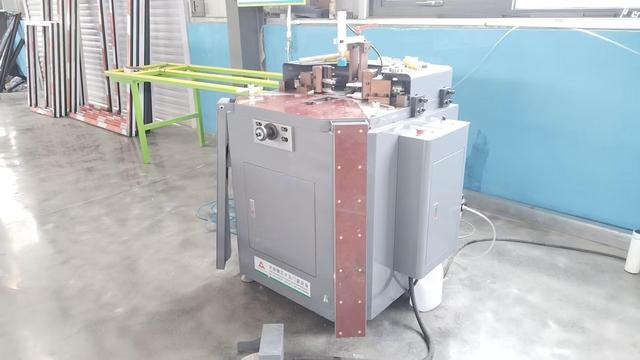
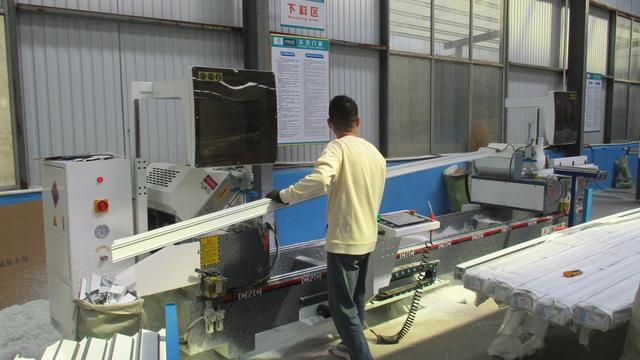
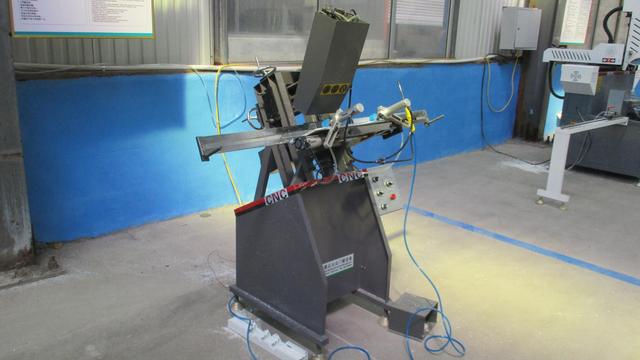
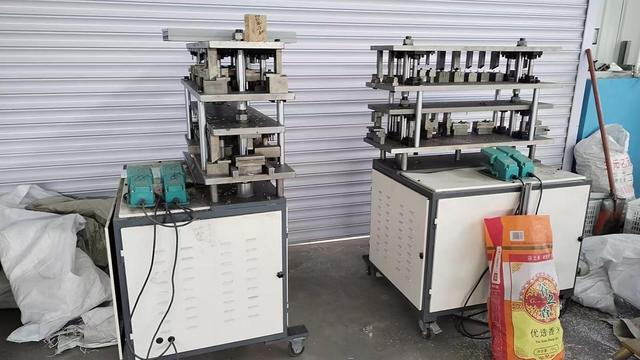
Equipped with advanced extrusion processing, precision cutting, automated welding, and quality inspection systems, Nova Panel maintains strict manufacturing standards throughout every stage of production. The company emphasizes durability, weather resistance, energy efficiency, and long-term performance to support sustainable building practices and improve indoor comfort.
Unlike metal frames that pit and corrode in saline environments, our uPVC louvres are chemically inert. They withstand salt spray and high humidity without the need for specialized anti-corrosion coatings, making them the gold standard for Pacific Coast Highway developments.
In areas where temperatures frequently exceed 100°F, the low thermal conductivity of uPVC prevents heat transfer into the building. Combined with adjustable louvre blades, these windows facilitate "night purging"—flushing the home with cool air to reduce HVAC reliance.
The global window and door industry is pivoting toward Smart Building Integration and Circular Economy principles. Nova Panel’s technical roadmap for the 2025-2030 cycle includes:
Navigating the Los Angeles Department of Building and Safety (LADBS) requirements necessitates a partner who understands NFRC (National Fenestration Rating Council) standards. Our uPVC louvre windows are designed to assist project leads in achieving LEED Platinum and Passive House certifications by providing verifiable data on Solar Heat Gain Coefficients (SHGC) and Visible Transmittance (VT).
A: Our uPVC profiles are formulated with high-grade Titanium Dioxide (TiO2) stabilizers. This prevents the yellowing and brittleness common in lower-quality plastics, ensuring the frames remain structurally sound for 25+ years in the Los Angeles sun.
A: Yes. uPVC is a natural insulator. By combining our multi-chamber frames with Low-E glass or specialized louvre blades, we achieve thermal performance that significantly contributes to the Energy Budget requirements of CA Title 24.
A: We provide full documentation for customs, compliance certificates, and detailed installation guides. Our engineering team can also join project calls via PST time zones to support LA-based contractors during the design phase.
A: Typically, production takes 15-25 days depending on volume. Ocean freight to the Port of LA/Long Beach takes approximately 18-22 days, making us a highly competitive offshore partner for large-scale developments.
 Nova Panel