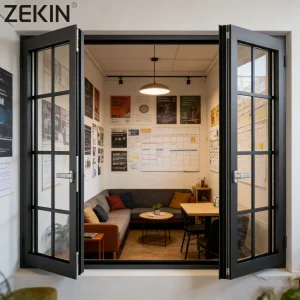
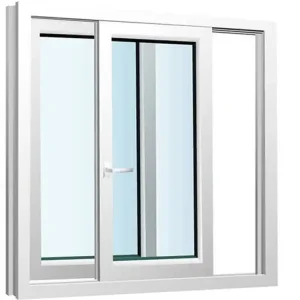
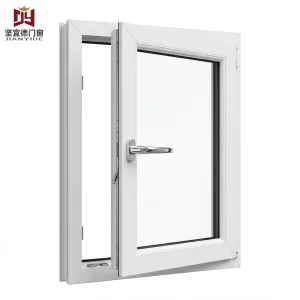
Premium architectural configurations optimized to defend residential villas and institutional sites against intense maritime wind loads.
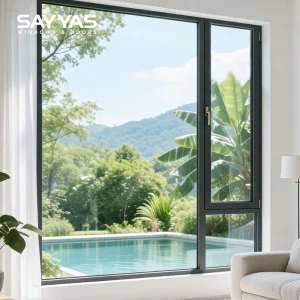
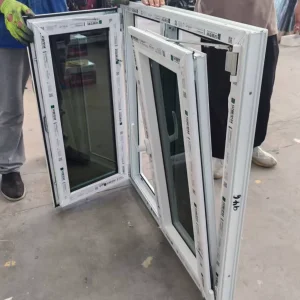
Timor-Leste (East Timor), situated in the warm waters of the Banda and Timor Seas, presents a unique and demanding environment for architectural design. As the nation undergoes rapid urbanization, residential projects, institutional developments, and commercial properties in key centers like Dili, Baucau, and Oecusse are facing intensified meteorological pressures. The region’s sub-equatorial climate is defined by extreme high temperatures, persistent relative humidity, intense UV irradiation, and a prolonged wet season characterized by high-velocity tropical storms and cyclones.
In coastal towns, buildings are also subject to continuous salt-spray exposure. Standard fenestration systems degrade rapidly under these conditions, resulting in structural failures, glass cracking, frame warping, and moisture ingress. This whitepaper analyzes the engineering properties of uPVC (unplasticized Polyvinyl Chloride) hurricane-resistant window systems and assesses their viability and performance advantages within the developing commercial, industrial, and residential sectors of Timor-Leste.
Timor-Leste is investing significantly in public infrastructure, industrial capacity, and coastal tourism facilities. From new port facilities to high-end hospitality projects along the pristine Dili coastline, the demand for durable materials has shifted from basic structural stability to high-performance, long-cycle durability. Modern design projects require building envelopes that can withstand the severe gusts of tropical depression systems while maintaining thermal insulation to reduce air conditioning loads.
Historically, wood and standard lightweight aluminum frames were widely used in local construction. However, non-treated local timber is highly susceptible to humidity-driven rot and termite infestation, while standard aluminum without specialized PVDF or anodized coatings suffers severe pitting corrosion in highly saline coastal environments. As a result, the local industry is trending toward uPVC profile installations. High-grade uPVC, reinforced internally with galvanized steel, offers a chemically inert barrier to both salt spray and solar radiation, providing long-term structural integrity with minimal maintenance.
During a severe tropical cyclone, window frames must withstand both positive wind pressure (pushing against the glass) and negative pressure (suction forces as wind sweeps around structural edges). A failure in the glazing envelope can lead to internal pressurization, which is a primary cause of roof structural loss during typhoons.
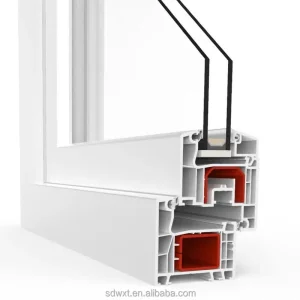
Our uPVC hurricane-resistant systems are engineered with multi-chambered profiles. These inner chambers serve a dual purpose: they act as thermal barriers to prevent heat conduction and house heavy-duty, corrosion-proof galvanized steel reinforcement channels. Additionally, we use high-density EPDM double or triple weather-stripping seals to maintain airtightness and prevent water penetration under pressures exceeding 3000 Pascals (Pa). Coupled with double or triple-glazed impact-resistant glass featuring a polyvinyl butyral (PVB) or ionoplast interlayer (SGP), these systems are designed to stop flying debris from breaching the building envelope.
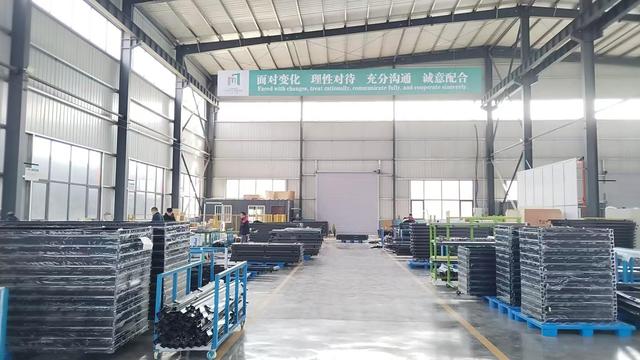
Shenzhen Nova Panel Co., Ltd. is a leading uPVC window manufacturer specializing in high-performance fenestration. Established in 2011, the company operates a state-of-the-art 12,000-square-meter facility with a workforce of over 220 skilled professionals. We are committed to delivering precision-engineered solutions that meet international building codes.
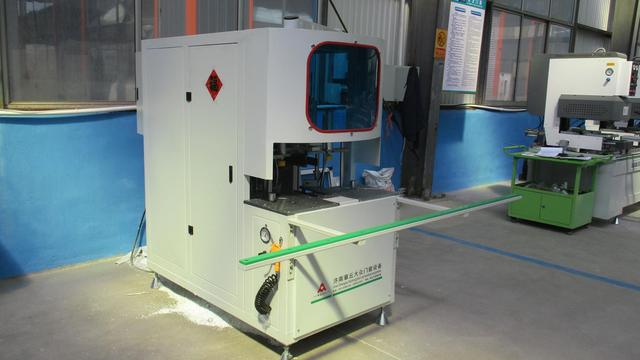
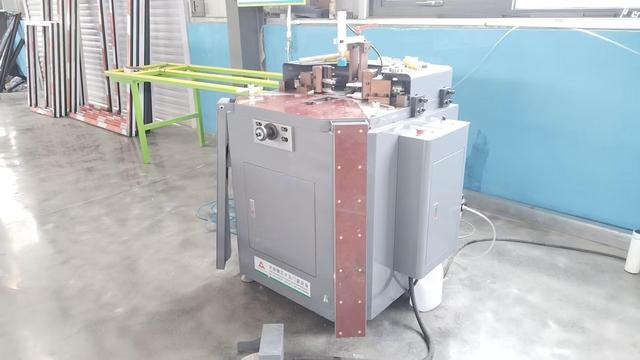
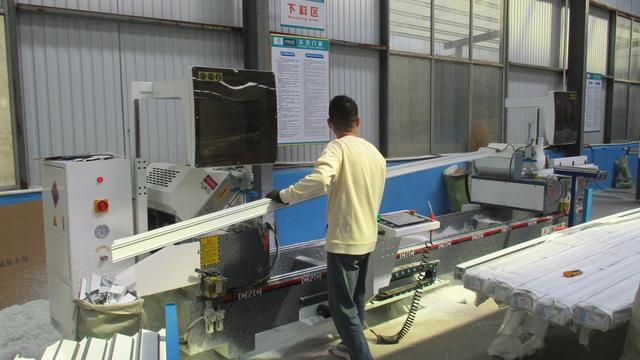
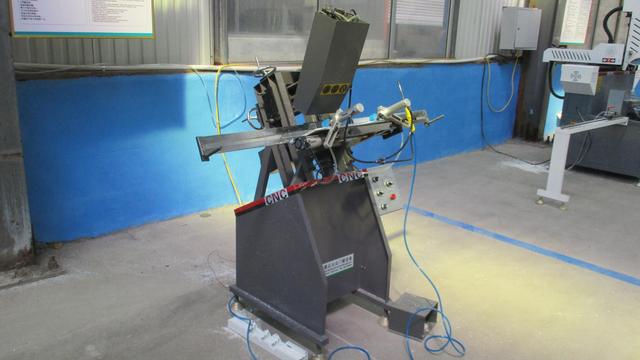
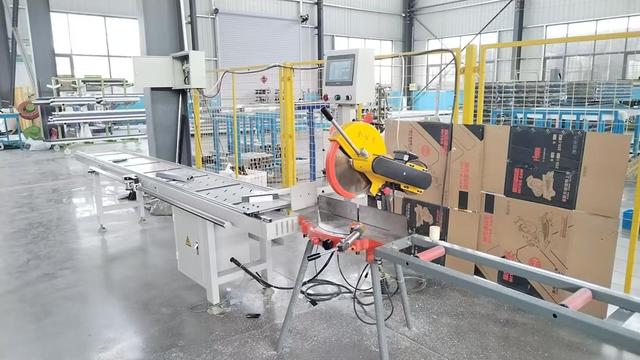
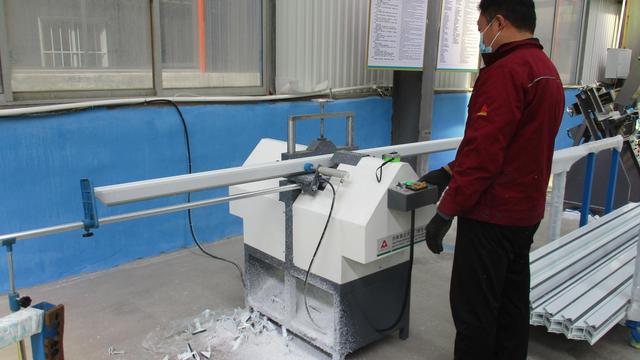
Our manufacturing facility features automated CNC cutting and welding systems, automated glazing lines, and advanced QA inspection bays. By utilizing automated corner-welding technology, we ensure that every welded joint is airtight and maintains structural continuity across the entire frame. For B2B clients in Timor-Leste, our strategic location in Shenzhen, adjacent to major international container ports, allows for direct, cost-efficient shipping to Dili. This ensures reliable supply chains and on-time project delivery.
To optimize installation performance, we customize window configurations for specific applications:
Innovative manufacturing technologies that deliver superior wind resistance, thermal efficiency, and long-term durability.
Internally reinforced with high-gauge galvanized steel to withstand severe cyclonic pressures up to 3500 Pa, meeting strict regional wind load standards.
Our uPVC profiles are engineered with premium titanium dioxide additives, protecting against degradation, chalking, and discoloration under intense equatorial sunlight.
Multi-chamber insulation combined with double or triple-glazed argon-gas filled glass reduces solar heat gain (SHGC) and insulates against external environmental noise.
Explore our selection of hurricane-rated windows and doors, designed to provide long-term protection in harsh coastal climates.
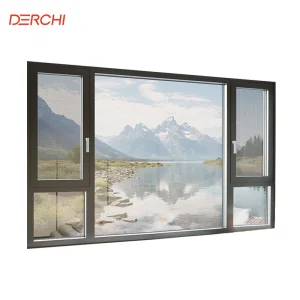
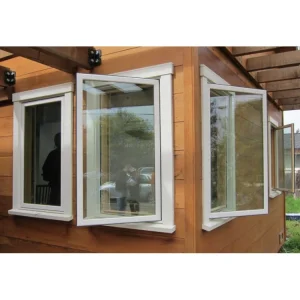
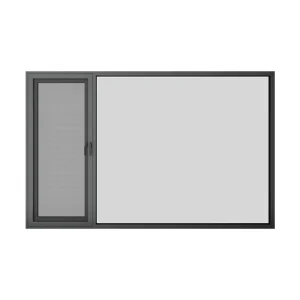
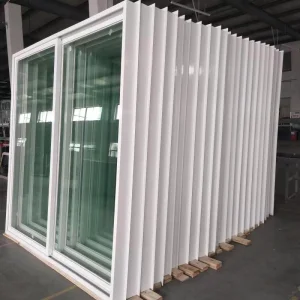
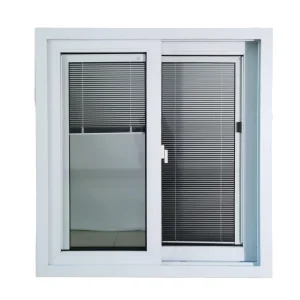

High-efficiency windows for customized project requirements across Timor-Leste.
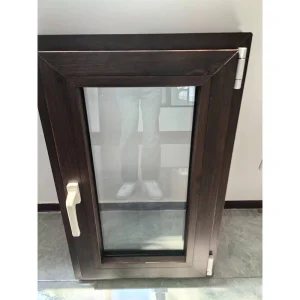
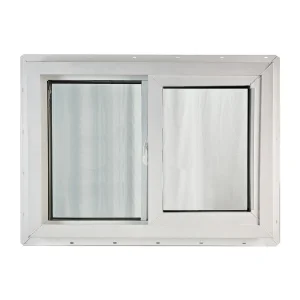
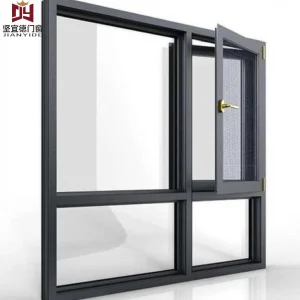
Find detailed answers to key engineering and logistical questions for projects in Timor-Leste.
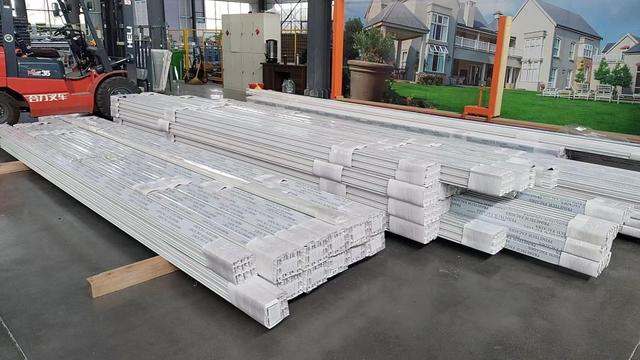
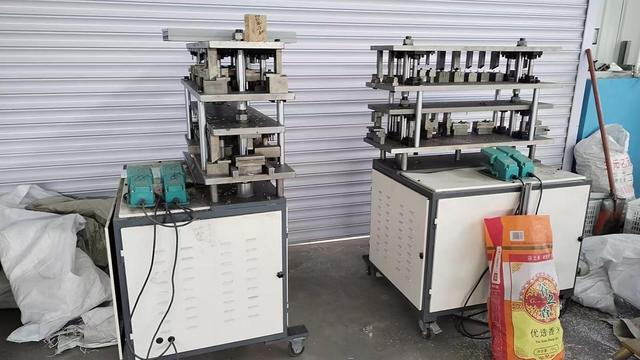
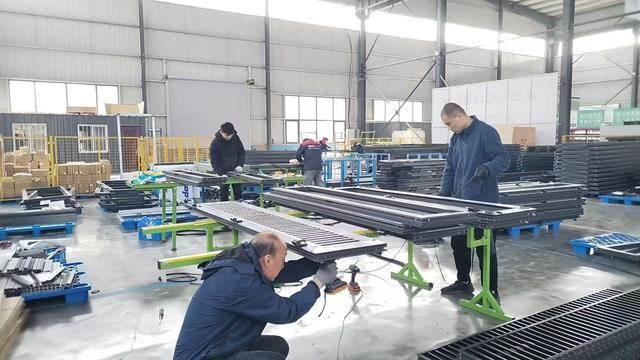
Explore our 12,000 sqm modern factory, featuring precision machinery, CNC cutting and welding lines, and rigorous quality control testing.
Partner with a professional manufacturer to secure your next project. Contact our engineering and logistics teams for direct factory pricing, structural calculations, and custom options.
 Nova Panel