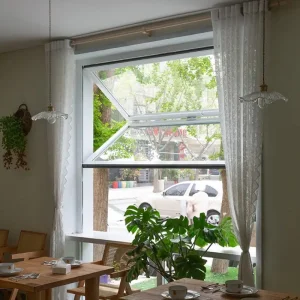
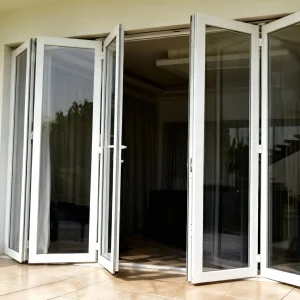
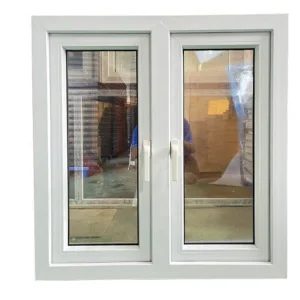
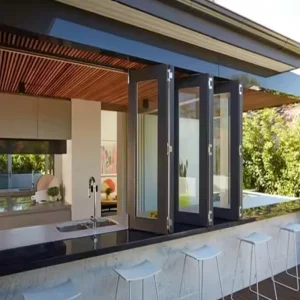
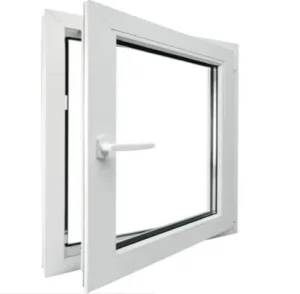
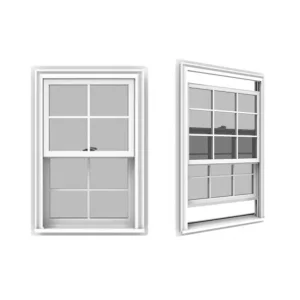
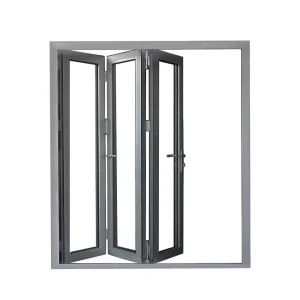
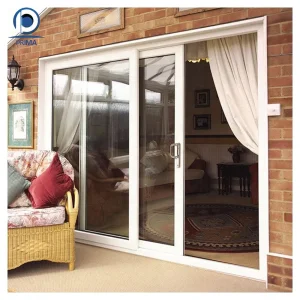
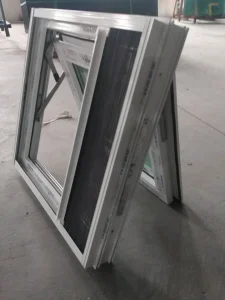
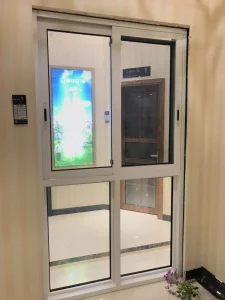
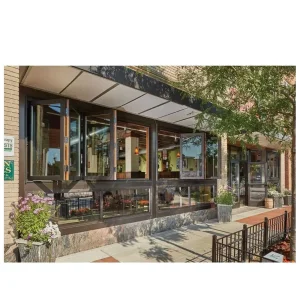
Select engineered window configurations optimized for South Tarawa, Kiritimati, and outer island architectural demands.
Why traditional framing materials decay in the Central Pacific, and how advanced polymers offer the ultimate structural remedy.
Architectural and structural engineering in Kiribati—spanning South Tarawa, Kiritimati, and the outer islands—presents some of the most aggressive environmental challenges globally. The combination of an equatorial tropical marine climate, near-continuous salt spray, and extreme solar irradiance quickly degrades traditional building materials. Wood rot, timber warping, and the structural oxidation of aluminum profiles are common issues.
Standard aluminum windows, even when anodized, are highly susceptible to filiform corrosion in Kiribati's high-salinity coastal atmosphere. When aluminum is exposed to salt deposits, it triggers galvanic cells under coatings, leading to pitting, structural failure, and locked hardware. Timber, on the other hand, struggles with high relative humidity (consistently exceeding 80%), causing it to swell, warp, and fall victim to wood-boring pests.
This is where uPVC (Unplasticized Polyvinyl Chloride) folding windows offer a superior solution. Engineered with high-dose Titanium Dioxide (TiO2) stabilizers, these window systems are highly resistant to UV degradation and completely immune to salt-spray oxidation. This makes them ideal for the harsh climates of the Pacific region.
Not all uPVC windows are manufactured equal. Standard PVC formulations designed for temperate climates like Europe or North America will quickly discolor, become brittle, and warp under equatorial sun. Nova Panel's uPVC profiles are specifically compounded using the highest grade Tropical Mix formulation (Class A), incorporating organic calcium-zinc (Ca-Zn) stabilizers and elevated titanium dioxide levels. This chemical composition absorbs UV radiation and converts it into harmless thermal energy, preserving the profile's structural integrity and white aesthetic over decades.
| Physical Property | Standard Aluminum Profiles | Nova Panel uPVC Coastal Profile | Engineering Advantage for Kiribati |
|---|---|---|---|
| Thermal Conductivity (K-Value) | High (~160 - 200 W/m·K) | Extremely Low (0.13 - 0.17 W/m·K) | Prevents heat transfer, drastically reducing indoor air conditioning costs. |
| Corrosion Resistance | Prone to pitting and filiform corrosion in high salt-spray zones. | 100% immune to acid, alkali, and marine salt environments. | Zero structural decay or discoloration near the oceanfront. |
| UV Stability (Aegis Index) | Coatings can chalk and fade over time. | Enhanced Titanium Dioxide (TiO2) UV stabilization. | Resists high tropical UV levels, preventing yellowing and brittleness. |
| Hardware Integration | Standard steel or zinc hardware rusts quickly. | Grade 316 Stainless Steel (SS316) custom tracks and hinges. | Guarantees smooth, lifetime operation of heavy folding leaves. |
| Acoustic Isolation | Typical single seal: 25dB reduction. | Multi-chamber profile + double EPDM gasket: Up to 45dB reduction. | Blocks external noise from waves, heavy winds, and urban traffic. |
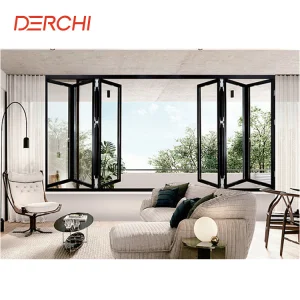
In global coastal architecture, building design is shifting toward panoramic openings that connect indoor and outdoor spaces. Bifold and folding window systems have transitioned from luxury additions to core functional components. By folding back completely, these systems optimize ventilation—a crucial feature for passive cooling in hot, humid regions.
Moreover, global green building initiatives have made high-performance uPVC a preferred material over aluminum. The energy used to produce raw uPVC is significantly lower than that of aluminum, and its superior insulating properties reduce building energy consumption over its lifecycle. For Pacific island countries like Kiribati, where electricity costs are high and heavily dependent on imported fuel, installing thermally efficient uPVC folding windows directly supports national renewable energy and carbon reduction targets.
Advanced manufacturing paradigms securing performance in extreme environments.
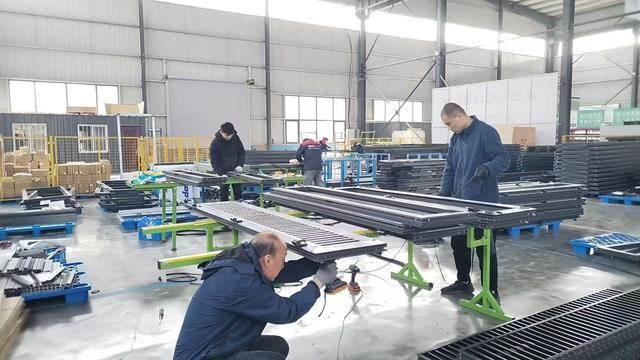
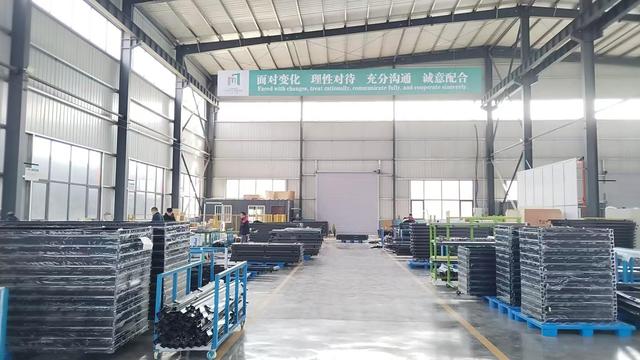
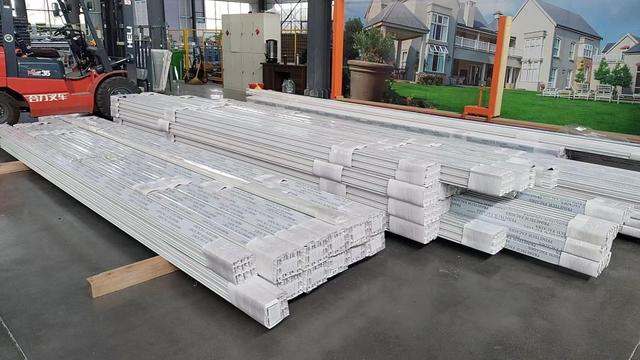
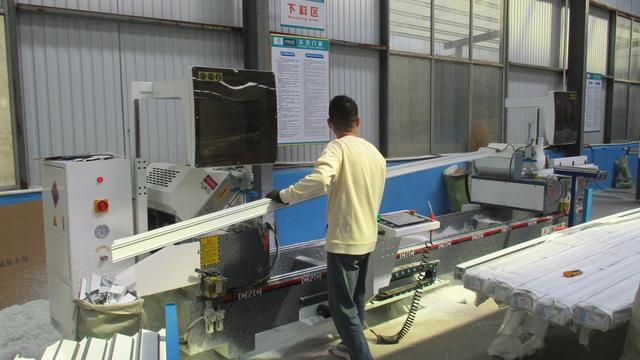
Shenzhen Nova Panel Co., Ltd. is a professional uPVC Window Manufacturer specializing in energy-efficient window systems, custom architectural glazing solutions, and OEM/ODM production services for residential, commercial, and construction projects worldwide. Established in 2011, the company is headquartered in Shenzhen, China, with a modern manufacturing facility covering more than 12,000 square meters and a workforce of over 220 employees.
Nova Panel focuses on the design, engineering, and production of high-performance uPVC window systems that meet the evolving demands of modern construction. Our product portfolio includes casement windows, sliding windows, tilt-and-turn windows, awning windows, fixed windows, soundproof windows, thermal insulation windows, and customized architectural window solutions. We proudly serve property developers, contractors, distributors, wholesalers, and building material suppliers across global markets, including dedicated logistics channels to Pacific Island states.
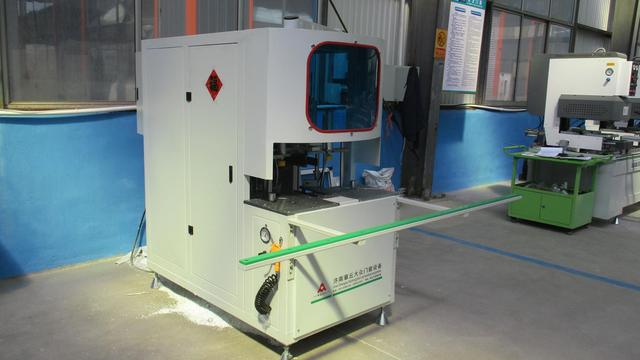
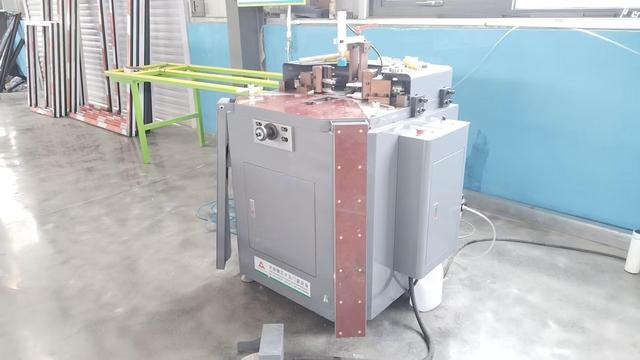
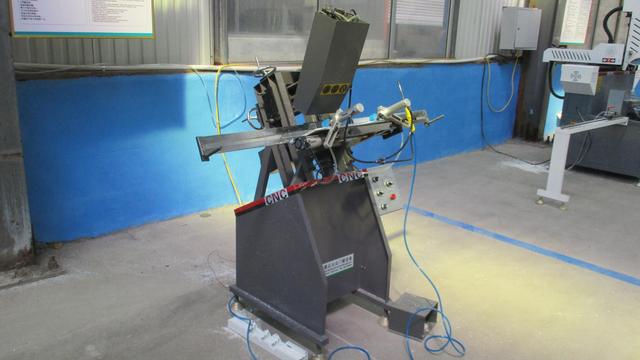
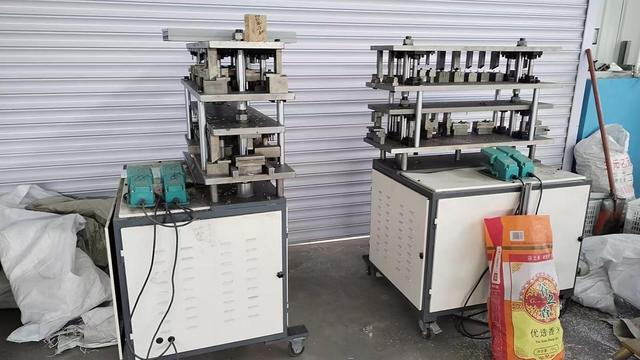
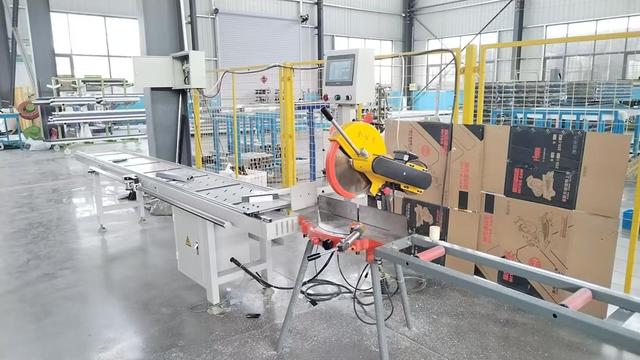
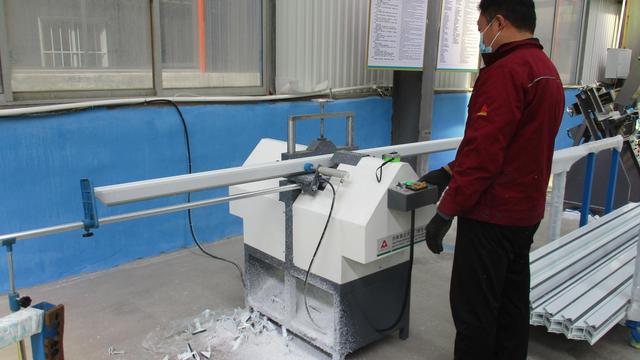
Equipped with advanced extrusion processing, precision cutting, automated welding, and quality inspection systems, Nova Panel maintains strict manufacturing standards throughout every stage of production. The company emphasizes durability, weather resistance, energy efficiency, and long-term performance to support sustainable building practices and improve indoor comfort.
A dedicated engineering and project management team collaborates closely with customers on product customization, including frame profiles, glazing configurations, hardware selection, surface finishes, colors, dimensions, and packaging requirements. This flexible manufacturing approach enables Nova Panel to support both small-scale developments and large-volume construction projects.
Committed to innovation and quality management, Shenzhen Nova Panel Co., Ltd. continuously invests in production technology and product development to meet international market requirements. Today, its window systems are exported to North America, Europe, the Middle East, Southeast Asia, Australia, and other regions, providing reliable and energy-efficient solutions for a wide range of residential and commercial applications.
Tailoring advanced window engineering to unique projects across the Gilbert and Line Islands.
Kiritimati is world-renowned for bonefishing and marine eco-tourism. Beachfront bungalows require wide openings that frame the ocean view while allowing maximum natural ventilation when desired. Nova Panel's accordion uPVC folding windows can open up to 90% of the structural aperture. During high winds or storms, they seal tightly with multi-point locking systems, preventing water ingress and sand infiltration.
Public administration buildings, schools, and healthcare facilities in Betio and Bairiki require materials that need minimal maintenance. Painting timber windows or repairing corroded aluminum frames uses up limited local public budgets. Nova Panel's uPVC profiles offer a set-and-forget solution. They do not require painting, resist chemical cleaners, and need only occasional rinsing with fresh water to remove surface salt deposits.
As weather patterns in the Pacific become more unpredictable, windows must withstand tropical storms and high wind pressures. Our internal steel reinforcement chambers and double-glazed, tempered safety glass configurations are designed to meet high wind pressure standards, protecting buildings from wind-driven debris and heavy storms.
Browse our full range of customizable uPVC profiles, structural frames, and glazing configurations.
Addressing logistical, structural, and mechanical concerns of importing window systems into South Tarawa.
Get in touch with our technical sales team for comprehensive structural calculations, profile selection, CAD drawings, and direct factory pricing for Kiribati construction projects.
Send Inquiry Now Nova Panel