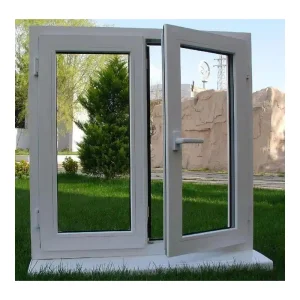
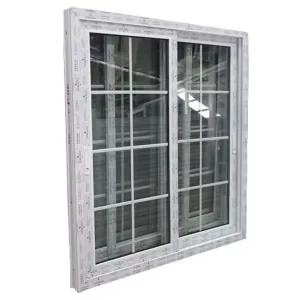
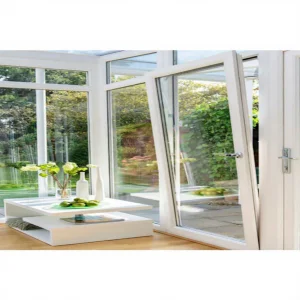
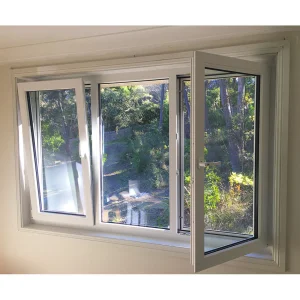
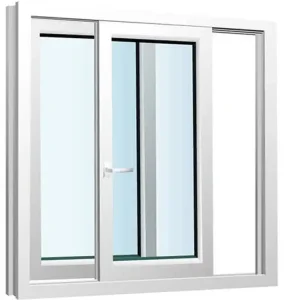
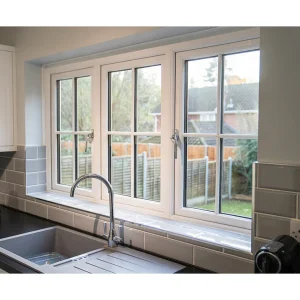
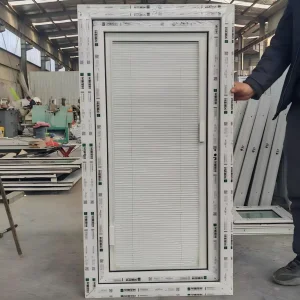
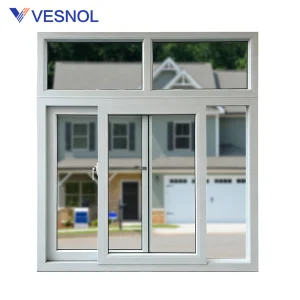
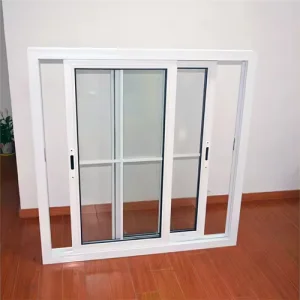
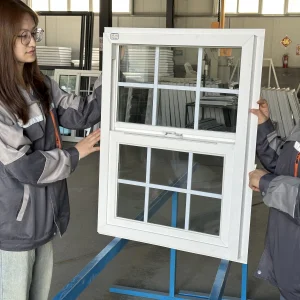
South Korea is currently undergoing a radical transformation in its construction landscape. With the government's mandate for all new buildings over 1,000 square meters to be Zero-Energy Building (ZEB) certified by 2025, the demand for high-performance fenestration has reached an all-time high. As a premier uPVC Energy Efficient Windows Manufacturer serving Korea, Shenzhen Nova Panel Co., Ltd. provides the critical infrastructure needed to meet these stringent thermal efficiency standards.
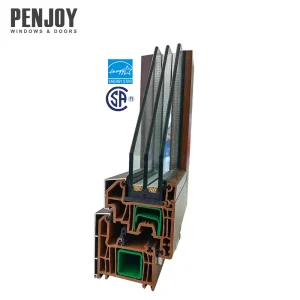
The Korean climate, characterized by extreme temperature fluctuations—bitterly cold winters and humid, hot summers—requires windows with exceptional U-factors and air-tightness. Our uPVC systems are engineered with multi-chambered profiles that act as natural insulators, significantly outperforming traditional aluminum frames in thermal bridging prevention. This is essential for the Seoul metropolitan area and Gyeonggi province, where residential heating costs are a primary concern for urban developers.
While aluminum is popular for its slim profile, its high thermal conductivity requires expensive thermal breaks to meet Korean Energy Efficiency Grade 1 requirements. uPVC windows inherently offer lower U-values (as low as 0.8 W/m²K with triple glazing) at a more competitive price point, providing a superior ROI for commercial projects in Incheon and high-rise developments in Daegu.
SQM Manufacturing Facility
Year Established
Skilled Professionals
Energy Efficiency
Shenzhen Nova Panel Co., Ltd. is a professional uPVC Window Manufacturer specializing in energy-efficient window systems, custom architectural glazing solutions, and OEM/ODM production services for residential, commercial, and construction projects worldwide. Established in 2011, the company is headquartered in Shenzhen, China, leveraging the world's most resilient supply chain to deliver high-quality products to the Korean market with unprecedented efficiency.
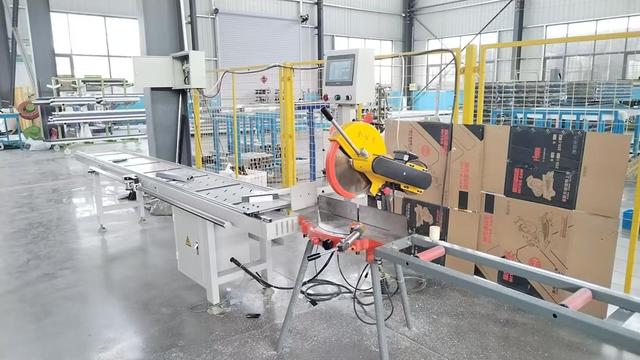
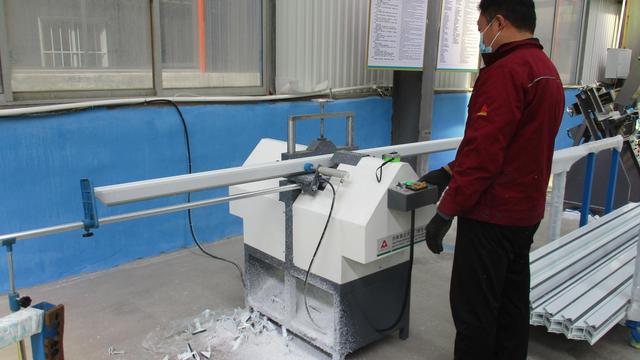
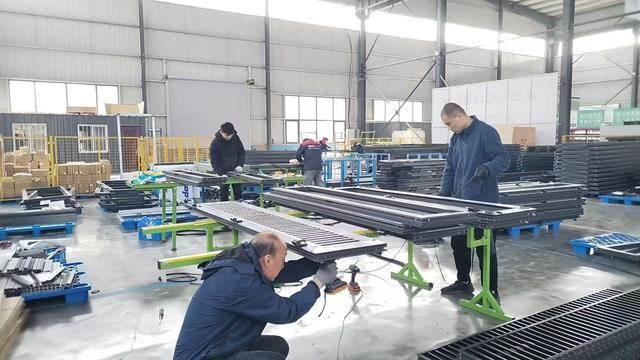
Equipped with advanced extrusion processing, precision cutting, automated welding, and quality inspection systems, Nova Panel maintains strict manufacturing standards throughout every stage of production. The company emphasizes durability, weather resistance, energy efficiency, and long-term performance to support sustainable building practices and improve indoor comfort.
High-wind load resistance is critical for Korea's coastal and metropolitan high-rises. Our steel-reinforced uPVC casement and tilt-and-turn windows are designed to withstand typhoon-grade pressures while providing 45dB+ sound insulation against urban noise.
Coastal corrosion is a major issue for metal windows. Our vinyl-based uPVC profiles are 100% resistant to salt-spray and humidity, making them the ideal choice for luxury resorts and villas on Jeju Island.
Hospitals in Korea require stable indoor environments. The multi-chambered thermal insulation of Nova Panel windows reduces HVAC reliance by 30%, ensuring consistent temperatures for patient care.
The future of fenestration in the Korean market lies in Smart Glazing and Vacuum Insulated Glass (VIG). As a forward-thinking supplier, Nova Panel is integrating the following technologies into our 2024-2025 technical roadmap:
In the post-pandemic era, Supply Chain Resilience is a competitive necessity. By sourcing from our 12,000 sqm Shenzhen facility, Korean contractors benefit from:
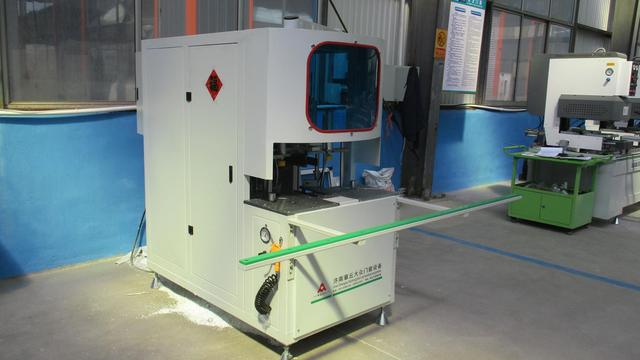
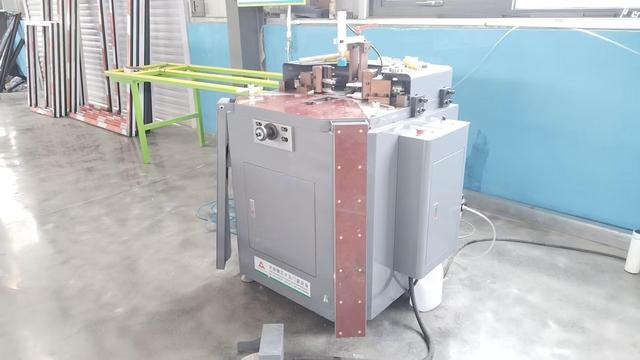
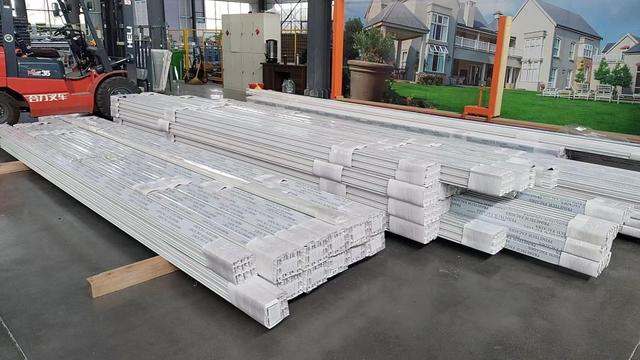
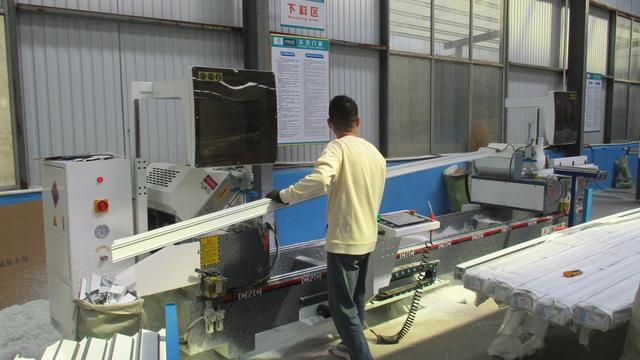
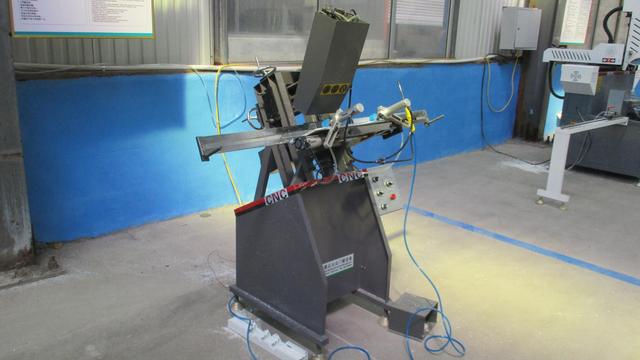
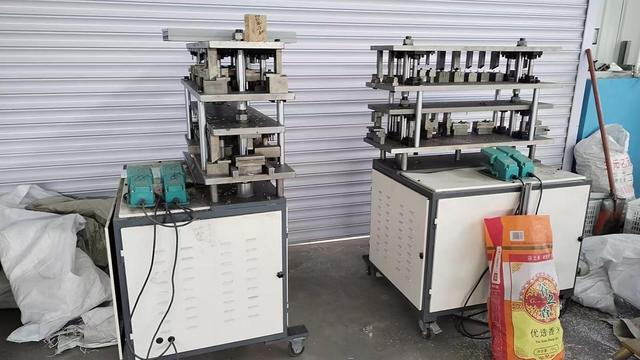
Committed to innovation and quality management, Shenzhen Nova Panel Co., Ltd. continuously invests in production technology and product development to meet international market requirements. Today, its window systems are exported to North America, Europe, the Middle East, Southeast Asia, Australia, and South Korea, providing reliable and energy-efficient solutions for a wide range of residential and commercial applications.
Our engineering and project management team collaborates closely with customers on product customization, including frame profiles, glazing configurations, hardware selection, surface finishes, colors, dimensions, and packaging requirements. This flexible manufacturing approach enables Nova Panel to support both small-scale developments and large-volume construction projects in any Korean province.
 Nova Panel