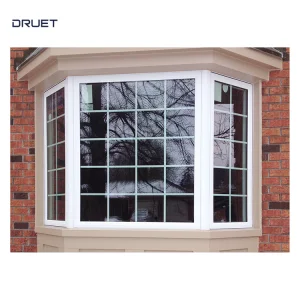
Mali, particularly its capital Bamako, is currently undergoing a radical urban transformation. As one of the fastest-growing economies in West Africa, the demand for sustainable, high-performance building materials has never been higher. Traditional building methods are being replaced by "Green Building" standards that prioritize thermal comfort in a region where temperatures frequently exceed 40°C. uPVC Bay Windows have emerged as the gold standard for this transition, offering a low-maintenance, high-durability alternative to aluminum and wood.
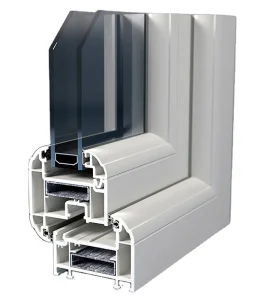
The Mali market's unique industrial landscape requires suppliers who understand the challenges of the Sahelian climate. Intense UV radiation, dust storms from the Harmattan, and the need for significant energy savings in air-conditioned spaces are driving property developers to seek uPVC solutions with superior U-values and multi-chambered profiles.
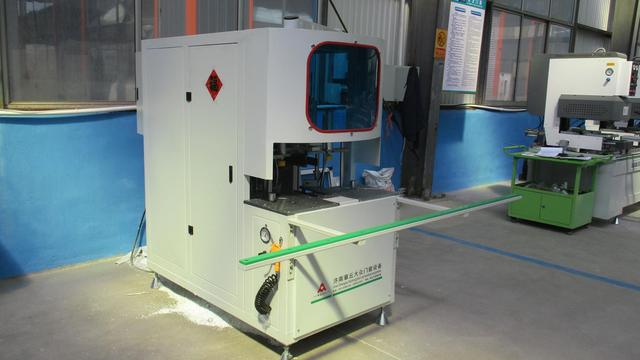
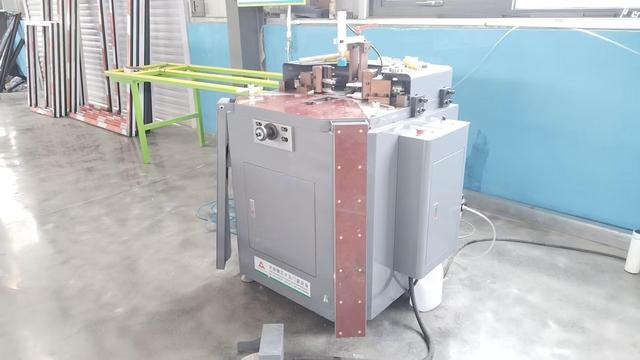
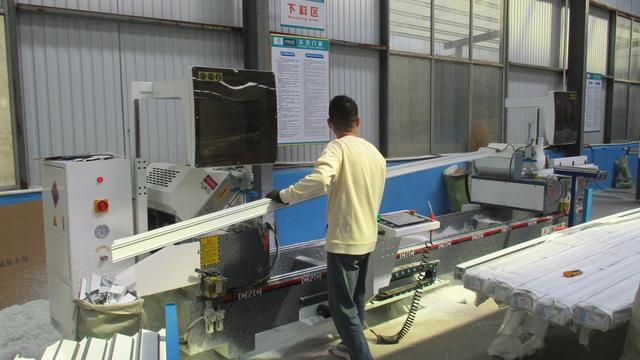
As a leading exporter to the Mali market, Shenzhen Nova Panel Co., Ltd. leverages "Factory 4.0" principles to ensure that every uPVC Bay Window meets rigorous international standards. Our manufacturing process integrates AI-driven precision cutting, robotic welding, and real-time quality monitoring. For our Mali clients, this means a 100% fit-for-purpose product with zero defects, delivered through a resilient supply chain that manages the complex logistics of shipping from Shenzhen to landlocked Mali via major transit ports like Dakar (Senegal) or Abidjan (Ivory Coast).
Our "Supply Chain Resilience" is built on deep integration with raw material providers, ensuring that even during global market fluctuations, our Mali partners receive consistent pricing and lead times. This efficiency is critical for large-scale government housing projects and luxury commercial developments in the Bamako District.
Unlike aluminum, uPVC does not conduct heat. It keeps the interior of Bamako homes cool, drastically reducing cooling costs during the peak of the dry season.
Our profiles are enriched with high-grade Titanium Dioxide (TiO2), preventing the windows from yellowing or becoming brittle under the intense Malian sun.
The multi-locking systems and EPDM gaskets provide an airtight seal, keeping the fine Sahara dust and the noise of urban Bamako outside.
No painting, no sanding, no termite damage. A simple wipe-down keeps these windows looking new for decades, even in harsh industrial zones.
Shenzhen Nova Panel Co., Ltd. is a professional uPVC Window Manufacturer specializing in energy-efficient window systems, custom architectural glazing solutions, and OEM/ODM production services for residential, commercial, and construction projects worldwide. Established in 2011, the company is headquartered in Shenzhen, China, with a modern manufacturing facility covering more than 12,000 square meters and a workforce of over 220 employees.
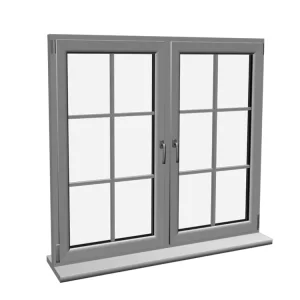
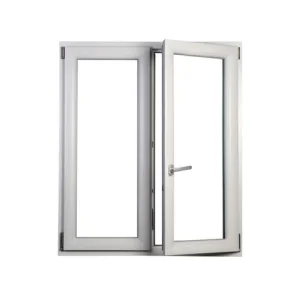
Nova Panel focuses on the design, engineering, and production of high-performance uPVC window systems that meet the evolving demands of modern construction. Its product portfolio includes casement windows, sliding windows, tilt-and-turn windows, awning windows, fixed windows, soundproof windows, thermal insulation windows, and customized architectural window solutions. The company serves property developers, contractors, distributors, wholesalers, and building material suppliers across global markets.
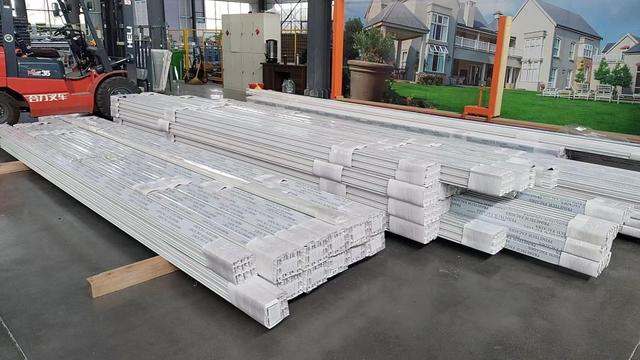
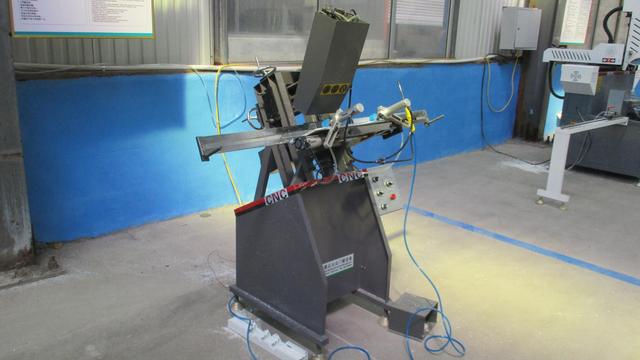
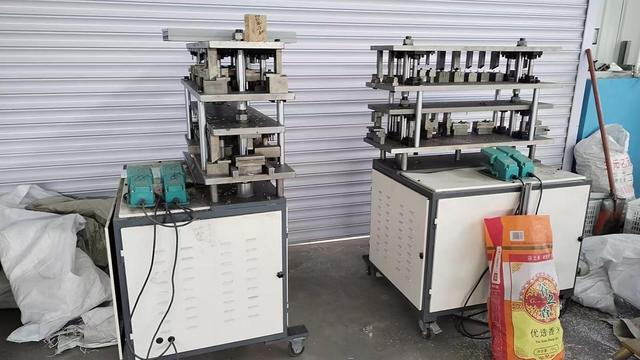
Equipped with advanced extrusion processing, precision cutting, automated welding, and quality inspection systems, Nova Panel maintains strict manufacturing standards throughout every stage of production. The company emphasizes durability, weather resistance, energy efficiency, and long-term performance to support sustainable building practices and improve indoor comfort.
The global shift toward "Passive House" standards is influencing procurement strategies from Dubai to Bamako. Today's commercial and industrial bay windows are no longer just aesthetic features; they are functional heat exchangers. The use of Argon gas filling between panes and Low-E (low emissivity) coatings is now standard for global exports. In the Mali market, we are seeing a trend towards larger, floor-to-ceiling bay windows that utilize the "Greenhouse Effect" in a controlled manner, providing natural light while blocking infrared heat.
Furthermore, the integration of smart hardware—such as magnetic screens and automated opening mechanisms—is becoming a priority for luxury developments in Mali. Shenzhen Nova Panel stays at the forefront of these trends, ensuring that our Mali partners are always offering the most advanced technology available.
1. Residential Luxury: uPVC Bay Windows in the ACI 2000 district provide panoramic views of the Niger River while maintaining a cool indoor temperature.
2. Hospitality Sector: Hotels in Bamako utilize our soundproof bay windows to offer guests a quiet oasis amidst the vibrant city bustle.
3. Public Infrastructure: Schools and hospitals are increasingly adopting uPVC due to its hygienic properties and fire-retardant characteristics, crucial for safety in Mali's dry climate.
A: Our uPVC profiles are designed with multiple internal chambers that act as thermal barriers. Unlike metal windows, uPVC has very low thermal conductivity, meaning the heat from the outside doesn't transfer to the interior of the building.
A: Yes, we regularly export to Mali. We handle the sea freight to regional hubs like Dakar (Senegal) or Abidjan (Cote d'Ivoire) and coordinate with trusted land transport partners for the final delivery to Bamako or other Mali regions.
A: Absolutely. Our bay windows feature high-quality EPDM double-sealing gaskets and precision-engineered locking mechanisms that ensure an airtight seal, preventing fine sand and dust from entering your property.
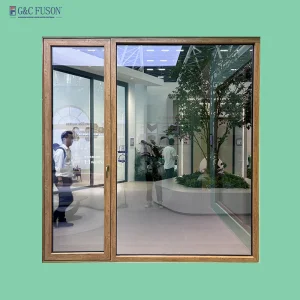
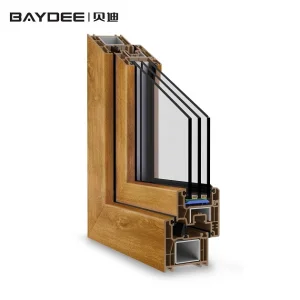
A: Yes, our engineering team works directly with architects in Mali to customize frame profiles, colors (including wood-grain finishes), and glass configurations to meet specific project aesthetics and performance needs.
 Nova Panel