High-Performance Multi-Chamber Extrusions, Integrated Insect Protection Systems, and Global Regulatory Standards for Architecturally Demanding Commercial & Residential Projects.
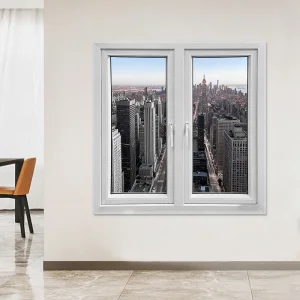
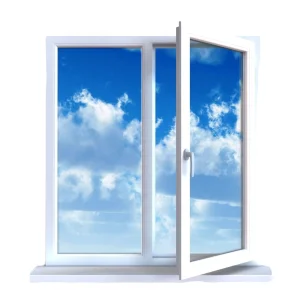
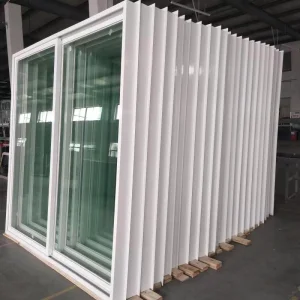
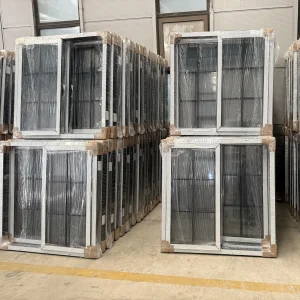
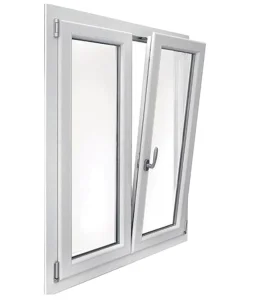
Founded on a vision of pioneering sustainable fenestration systems, Shenzhen Nova Panel Co., Ltd. stands as a premier global leader and specialized uPVC Window Manufacturer. Our core expertise encompasses the direct engineering, customized design, and high-volume fabrication of energy-efficient window systems, state-of-the-art structural glazing, and dedicated OEM/ODM production services. We work closely with real estate developers, building contractors, municipal planners, and architectural material distributors globally to deliver high-integrity building envelope systems.
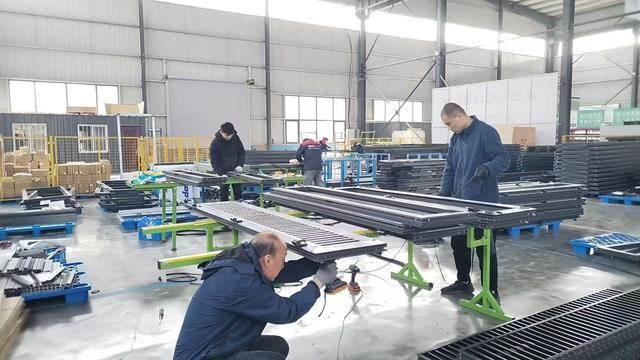
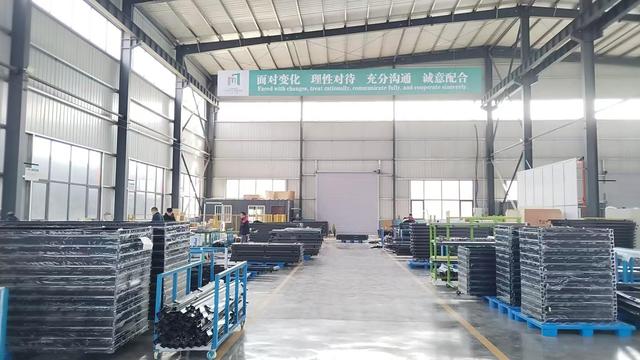
Established in 2011 and anchored in the high-tech manufacturing node of Shenzhen, China, our operations have evolved to capture a robust global footprint. Our production nerve center spans a massive, state-of-the-art facility of over 12,000 square meters. Empowered by a highly skilled workforce of over 220 dedicated engineers and manufacturing specialists, Nova Panel blends rigorous structural design with automated precision processing to manufacture uPVC screen window systems capable of withstanding the harshest environmental stresses.
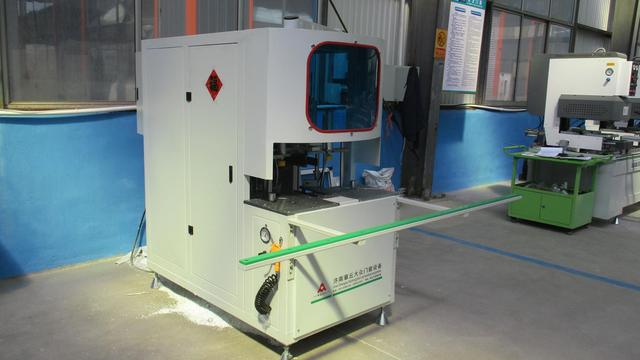
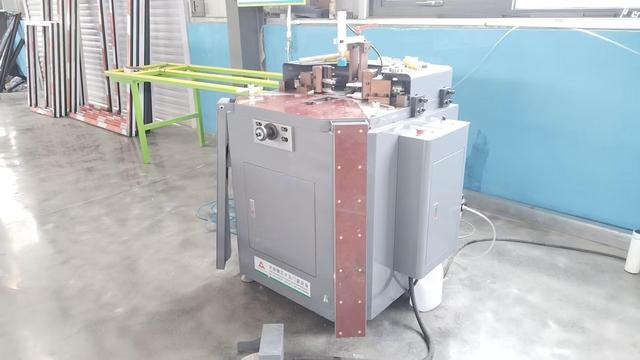
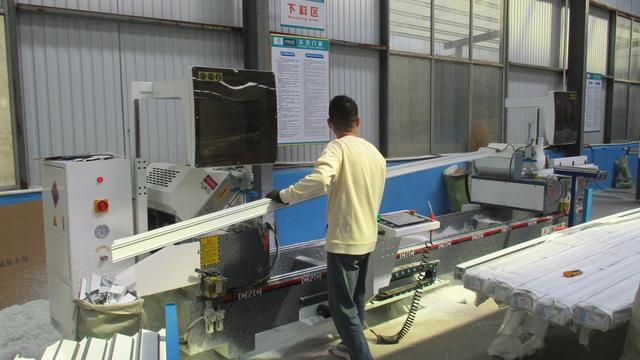
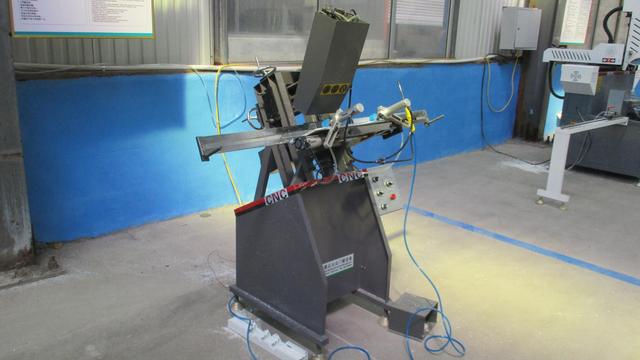
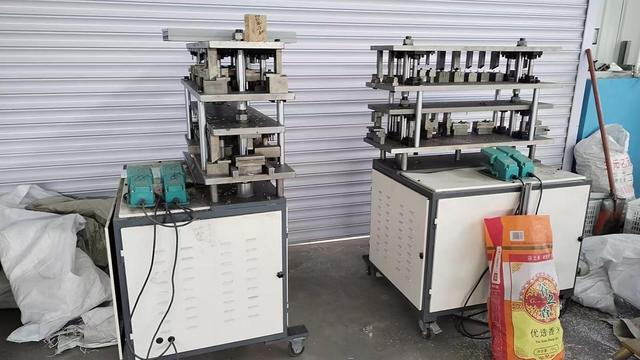
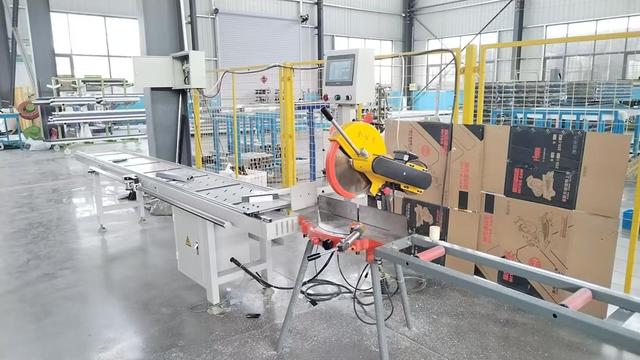
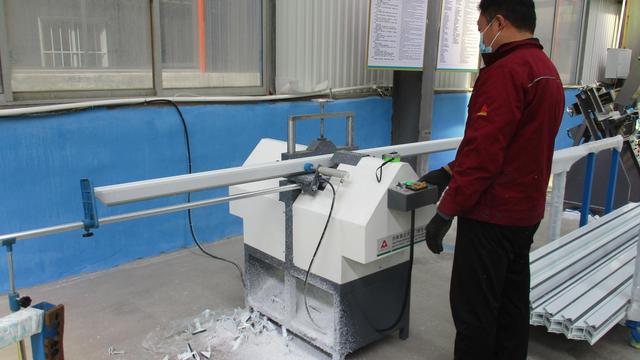
Our comprehensive production facility houses next-generation tooling including automated extrusion lines, computer-controlled precision profile cutting routers, multi-head seamless thermal welding machinery, and dedicated vacuum testing chambers for wind-water permeability evaluation. By focusing on critical physics indicators like thermal transmittance (U-factor), wind-load resistance, acoustic isolation, and long-cycle UV resistance, Nova Panel supplies certified assurance of product longevity.
Modern building codes, including America's ASHRAE 90.1, Europe's Energy Performance of Buildings Directive (EPBD), and Australia's NCC Section J, demand severe cuts in building carbon footprints. Standard aluminum is highly conductive, resulting in thermal bridging. Multi-chambered uPVC profiles with dual- or triple-pane glazed assemblies stop this thermal flow, delivering exceptionally low U-values down to 0.8 W/m²K.
Unlike metal fenestrations that corrode, oxidize, or pit in saline coastal zones, uPVC is chemically inert. This polymer formulation resists airborne pollutants, acid rain, and persistent UV exposure. In tropical and subtropical markets (such as Southeast Asia, Florida, and Coastal Australia), uPVC screen windows are the primary material specification for structural resilience.
Rapid urbanization and shifting climates have made integrated vector control a critical architectural priority. Standard retrofitted screen windows are often prone to insect bypass due to warped frames. Our unified structural designs feature built-in channel configurations that securely anchor fiberglass or high-tensile stainless steel mesh directly into the uPVC frame profiles.
The performance of a uPVC window relies on its chemical formulation, structural design, and physical extrusion. Below is the technical roadmap of the systems engineered inside the Nova Panel factory:
| Performance Vector | Technical Specification & Materials Physics | Project Owner Benefits |
|---|---|---|
| Base Polymer Matrix | Unplasticized Polyvinyl Chloride (uPVC) stabilized with eco-friendly Titanium Dioxide (TiO₂) and Calcium Zinc (Ca-Zn) thermal stabilizers. Free from heavy metals. | Prevents discoloration, warping, and cracking under intense high-UV environments (radiation exposure up to 160 kLy/year). |
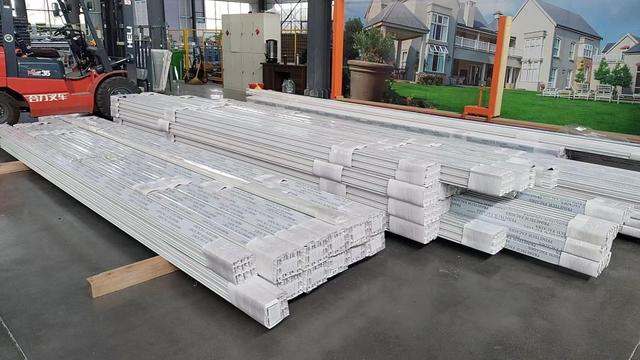
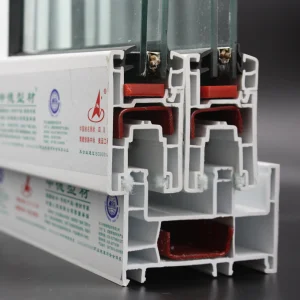
| Profile Geometry | Multi-chamber internal structure (typically 3 to 6 discrete chambers). Integrated thick outer walls (>2.8mm, Class A compliance). | Provides superior acoustic insulation (decibel reduction of up to 45dB) and exceptional thermal resistance. |
| Internal Reinforcement | Galvanized, hot-dip structural steel channels (thickness of 1.5mm to 2.5mm) locked inside the central profile chamber. | Allows the window to handle extreme wind loads, high-rise pressures, and structural loads without frame deflection. |
| Sealing Gaskets | Dual-layer, co-extruded EPDM (Ethylene Propylene Diene Monomer) or TPE synthetic rubber gasket seals. | Ensures Class 4 airtightness (EN 12207) and watertight resistance up to 600 Pa (Class 9A under EN 12208). |
| Glazing Integration | Supports Double (24mm) or Triple (36mm-44mm) glazed insulated units (IGU), filled with Argon Gas and finished with Low-E coatings. | Reduces overall energy consumption, maintaining consistent indoor climates with U-factors as low as 0.8 W/m²K. |
| Screen / Mesh Integration | Direct track integration supporting fiberglass mesh, stainless steel insect screen, or high-tensile 304/316 security screens. | Stops insects from entering, improves interior airflow, and offers cut-resistant security. |
Our extrusion lines utilize precision German twin-screw technology. This machinery ensures the plastic melt temperature remains completely uniform during extrusion, preventing microscopic air pockets or internal stress zones that could weaken the finished profile.
Frame joints are connected using CNC-controlled four-point welding systems. By heating the profile ends to 250°C and fusing them together under controlled pressure, the joints become stronger than the profiles themselves. This eliminates water leaks and air drafts at the corners.
Our design team integrates screen tracks directly into the window frame's profile, rather than attaching them as an afterthought. This ensures seamless movement of the insect screens, keeps them flush with the main frame to block even micro-insects, and keeps the overall window unit clean and compact.
The Pearl River Delta contains the world's most complete ecosystem for raw material sourcing. From specialized polymer additives, titanium dioxide, and steel reinforcements to high-end architectural hardware and custom glass panels, we source key components within a 100-kilometer radius. This guarantees uninterrupted production even during global market shifts.
Creating customized architectural window profiles requires specialized extrusion molds. Thanks to our in-house mold design and precision tooling department in China, we can manufacture custom extrusion dies at a fraction of the cost and time required by Western toolmakers. This makes custom OEM/ODM designs highly cost-effective.
Located in Shenzhen, Nova Panel sits next to some of the world's largest deep-water ports, including Yantian and Shekou. With direct shipping lanes to major markets in North America, Europe, Australia, and the Middle East, we can quickly coordinate container shipping, handle customs smoothly, and minimize transit delays.
Different regions present unique environmental challenges and strict regulatory codes. Nova Panel engineers custom solutions tailored to these regional specifications:
For cold northern climates and storm-prone coastal regions in the United States and Canada, we manufacture flanged vinyl windows with structural steel reinforcements. These configurations meet AAMA/WDMA standards for air infiltration, water resistance, and wind load, and are certified under NFRC testing protocols to meet Energy Star guidelines.
Our European product range features premium multi-chamber profiles designed to meet EN 14351-1 standards. To support Passivhaus construction and meet strict EU carbon goals, we supply German-style tilt-and-turn window designs featuring triple-pane Low-E glass, achieving U-values below 0.8 W/m²K.
To withstand intense UV rays and dry weather, our windows for Australia are built with high-UV-stabilized uPVC profiles. They are tested to meet AS 2047 (for structural deflection and water performance) and AS 1288 (governing architectural glass safety and thickness), ensuring long-term durability in harsh environments.
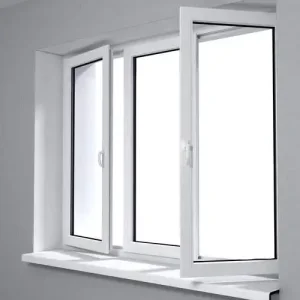
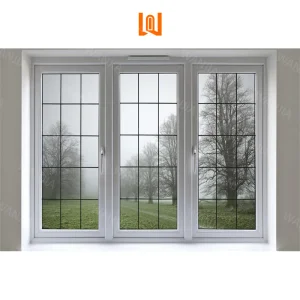
Thanks to our chemical formulation containing high-grade titanium dioxide (TiO₂) and premium UV stabilizers, our uPVC profiles are guaranteed not to yellow, degrade, or crack for at least 30 years under normal environmental conditions. The internal galvanized steel reinforcements ensure the window frames retain their shape and structural stability over decades of use.
We use multi-chambered profiles paired with dual EPDM compression seals and automated thermal corner welding. These designs are tested to withstand wind loads up to Class 5 and water penetration up to 600 Pa. This ensures they remain watertight even in areas prone to tropical storms and hurricanes.
Depending on project requirements, we offer standard fiberglass mesh (ideal for airflow and clear views), durable stainless steel mesh (best for scratch resistance and pet protection), or high-tensile 304/316 structural security mesh to deter break-ins.
Our standard production timeline ranges from 25 to 35 days, starting from raw profile extrusion to final assembly and inspection. Shipping times depend on the destination port, typically taking 15 to 20 days to West Coast North America or Southeast Asia, and 30 to 40 days to European and East Coast North American ports.
Yes, our engineering department specializes in OEM/ODM production. We work directly with client CAD or Revit designs to create custom extrusion molds, ensuring all custom frames fit the architectural project's design and structural specifications.
 Nova Panel