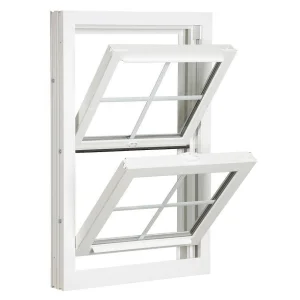
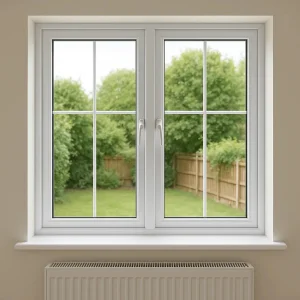
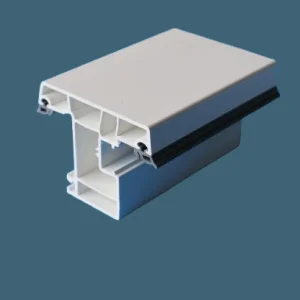
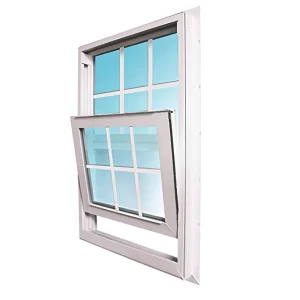
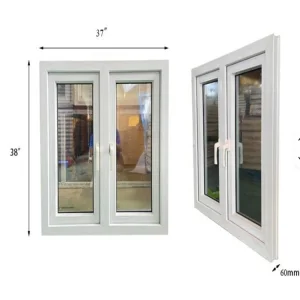
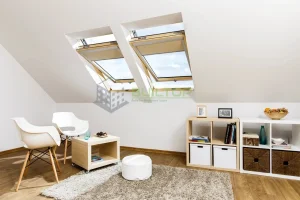
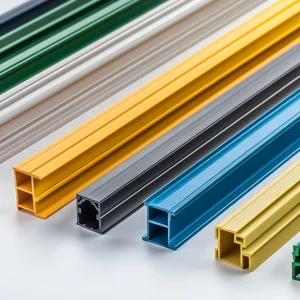
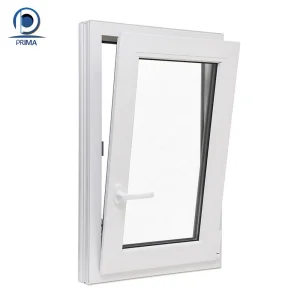
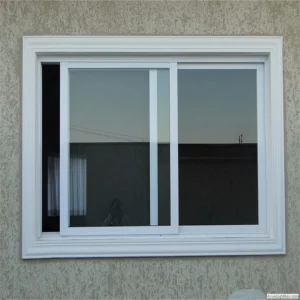
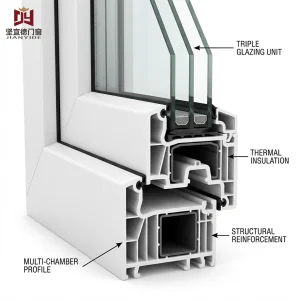
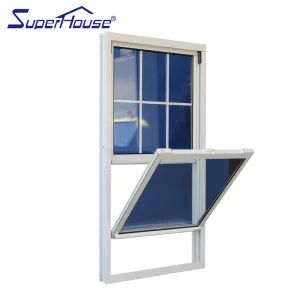
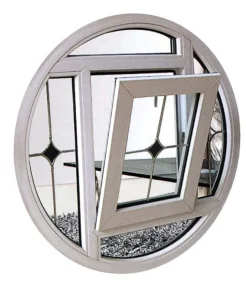
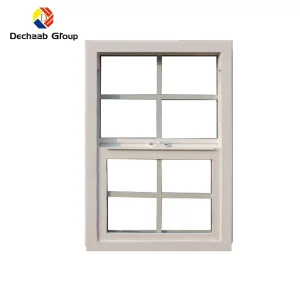
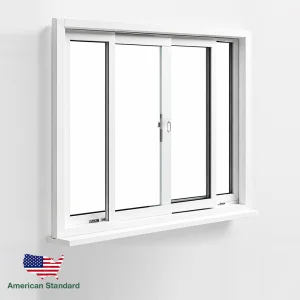
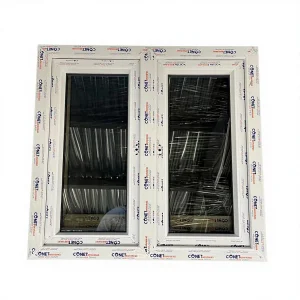
In the modern era of sustainable architecture, Vinyl (uPVC) awning windows have emerged as the gold standard for thermal performance. Unlike traditional aluminum, the multi-chambered vinyl profile acts as a natural insulator, drastically reducing thermal bridging. Leading China factories are now pivoting toward R-Value optimization to meet passive house standards.
Reliable manufacturers in China, such as those adhering to AAMA (American Architectural Manufacturers Association) and NFRC (National Fenestration Rating Council) standards, ensure that vinyl awning windows withstand extreme wind loads and provide verifiable U-Factor ratings for energy-conscious markets.
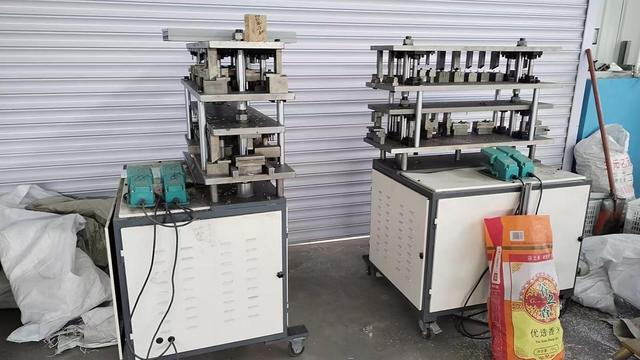
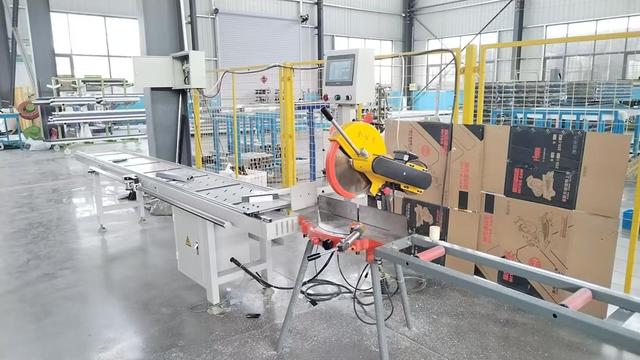
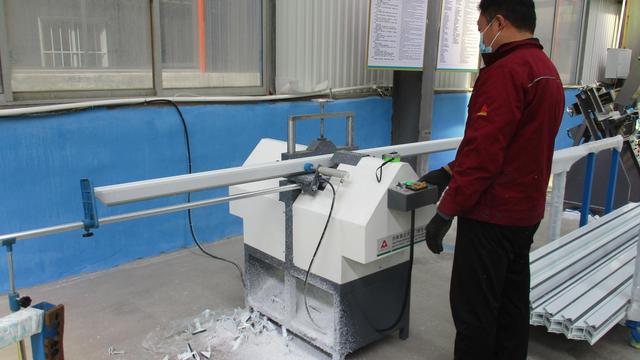
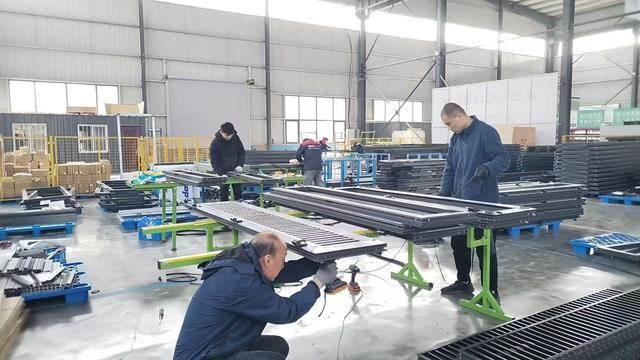
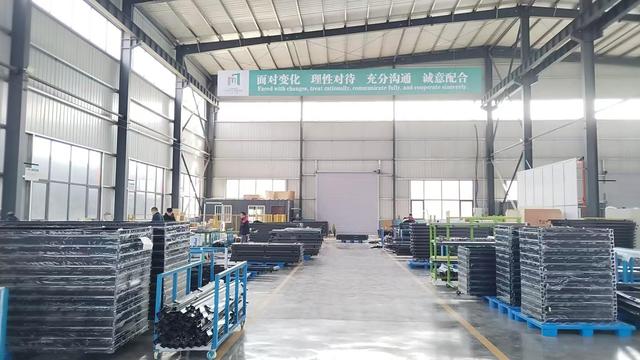
The "China Factory" advantage is no longer just about cost; it's about integrated vertical manufacturing. From in-house extrusion of PVC profiles to the precision CNC machining of hardware, the top factories offer a seamless loop that minimizes lead times and maximizes quality control.
Shenzhen Nova Panel Co., Ltd. is a professional uPVC Window Manufacturer specializing in energy-efficient window systems, custom architectural glazing solutions, and OEM/ODM production services for residential, commercial, and construction projects worldwide.
Established in 2011, the company is headquartered in Shenzhen, China, with a modern manufacturing facility covering more than 12,000 square meters and a workforce of over 220 employees. Nova Panel focuses on the design, engineering, and production of high-performance uPVC window systems that meet the evolving demands of modern construction.
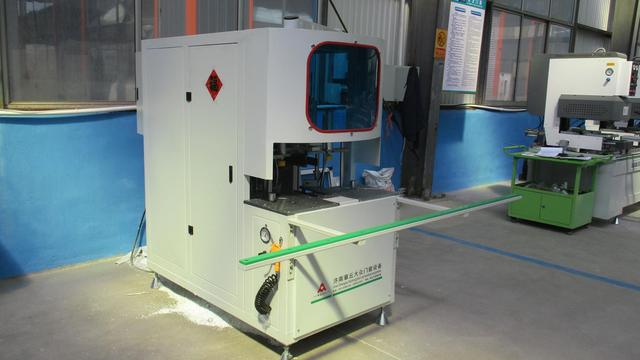
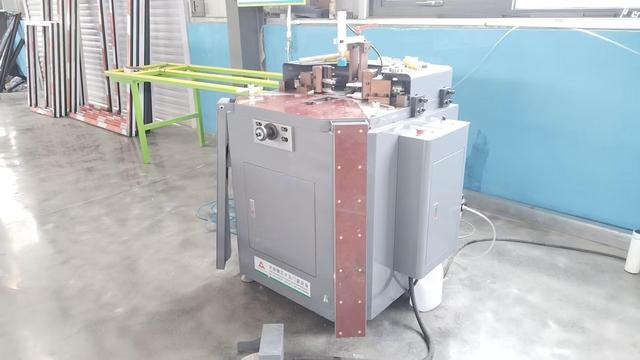
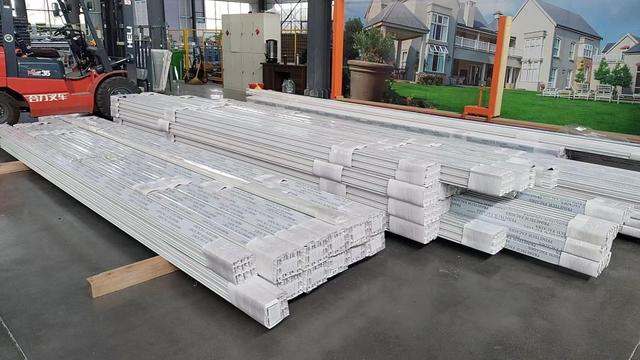
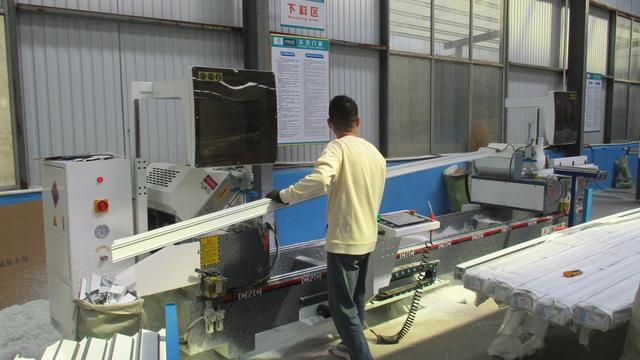
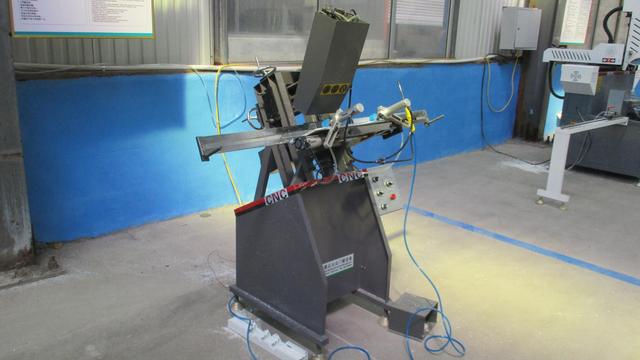
Understanding the "Information Gain" in modern vinyl window construction.
Modern vinyl awning windows utilize triple-chambered or quintuple-chambered profiles. These internal air pockets prevent heat transfer. When combined with Argon-filled Low-E glass, these windows can achieve U-factors as low as 0.20, making them ideal for Arctic or Tropical climates.
The awning design is inherently superior for rain protection. By hinging at the top and opening outward, it creates a natural "canopy," allowing for ventilation even during precipitation. High-end China factories use EPDM (Ethylene Propylene Diene Monomer) gaskets for long-term compression seal integrity.
For the North American market, compliance with Florida Product Approval (impact resistance) is crucial. For Europe, CE marking and EN 12608 standards for uPVC profiles are mandatory. Top-tier factories provide documented test reports for water penetration and structural loading.
The next decade of Vinyl Awning Windows is focused on Bio-attributed PVC and Integrated Smart Sensors. Manufacturers are moving toward lead-free stabilizers and calcium-zinc formulations to ensure 100% recyclability. Furthermore, the integration of motorized actuators controlled by home automation systems is transforming the awning window from a static component to an active ventilation system.
Integrated as clerestory windows in commercial lobbies, vinyl awning systems provide high-level ventilation while maintaining structural sleekness. They are often used in tandem with large fixed picture windows.
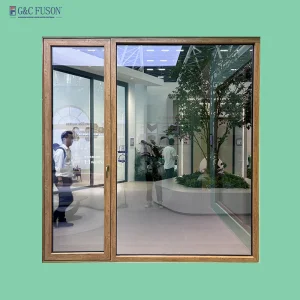
In residential settings, the ability to customize colors (through foil lamination or Co-extrusion) allows vinyl windows to mimic wood or metallic finishes while retaining low maintenance requirements.
The soundproofing capabilities of multi-layer glass in uPVC frames are essential for hospitals and hotels near high-traffic zones, providing a decibel reduction (Rw) of up to 45dB.
 Nova Panel