Explore our top-tier engineered uPVC windows designed for extreme thermal efficiency, hurricane protection, and architectural elegance.
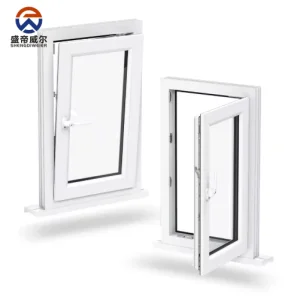
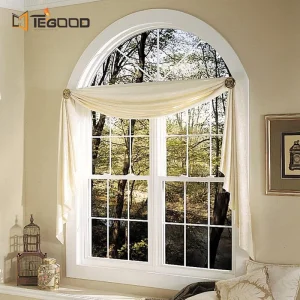
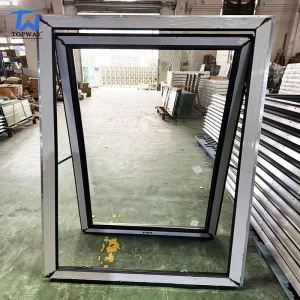
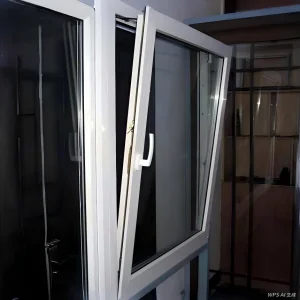
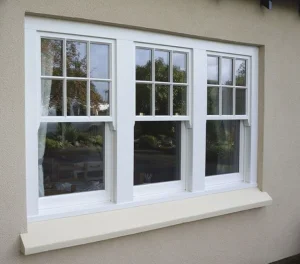
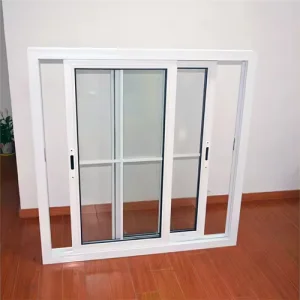
Shenzhen Nova Panel Co., Ltd. is a professional uPVC Window Manufacturer specializing in energy-efficient window systems, custom architectural glazing solutions, and OEM/ODM production services for residential, commercial, and construction projects worldwide. Established in 2011, the company is headquartered in Shenzhen, China, with a modern manufacturing facility covering more than 12,000 square meters and a workforce of over 220 employees.
Nova Panel focuses on the design, engineering, and production of high-performance uPVC window systems that meet the evolving demands of modern construction. Its product portfolio includes casement windows, sliding windows, tilt-and-turn windows, awning windows, fixed windows, soundproof windows, thermal insulation windows, and customized architectural window solutions. The company serves property developers, contractors, distributors, wholesalers, and building material suppliers across global markets.
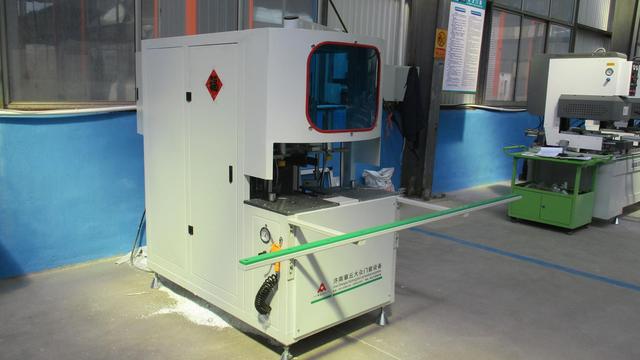
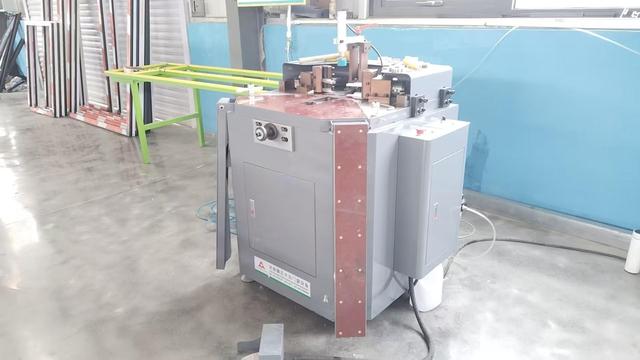
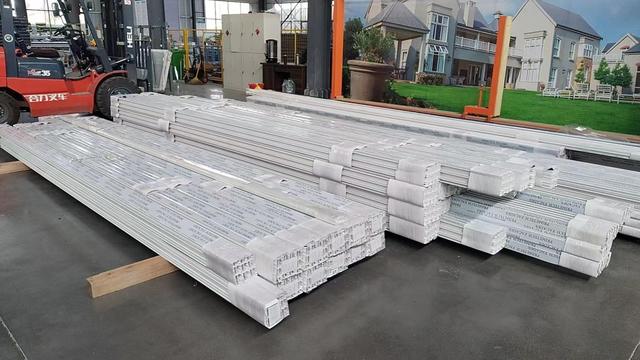
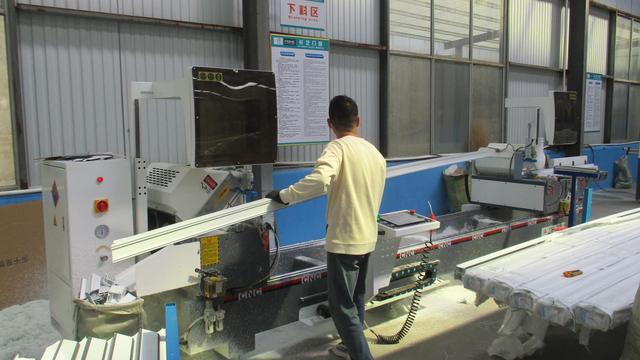
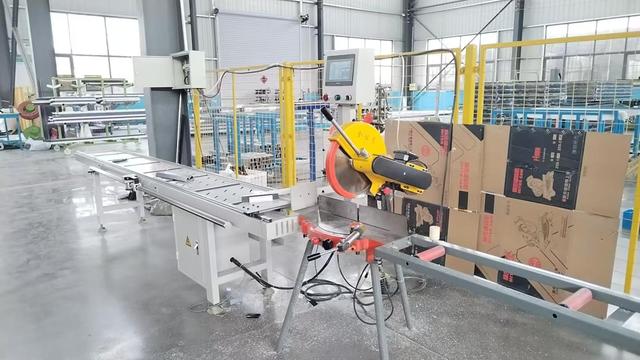
Equipped with advanced extrusion processing, precision cutting, automated welding, and quality inspection systems, Nova Panel maintains strict manufacturing standards throughout every stage of production. The company emphasizes durability, weather resistance, energy efficiency, and long-term performance to support sustainable building practices and improve indoor comfort.
A dedicated engineering and project management team collaborates closely with customers on product customization, including frame profiles, glazing configurations, hardware selection, surface finishes, colors, dimensions, and packaging requirements. This flexible manufacturing approach enables Nova Panel to support both small-scale developments and large-volume construction projects.
Committed to innovation and quality management, Shenzhen Nova Panel Co., Ltd. continuously invests in production technology and product development to meet international market requirements. Today, its window systems are exported to North America, Europe, the Middle East, Southeast Asia, Australia, and other regions, providing reliable and energy-efficient solutions for a wide range of residential and commercial applications.
Technical Information Gain Insight: Modern unplasticized Polyvinyl Chloride (uPVC) profile formulations produced in top-tier Chinese facilities now utilize high-grade Titanium Dioxide (TiO₂) additives and Calcium-Zinc (Ca/Zn) eco-stabilizers. This eradicates yellowing and thermal degradation under solar irradiation, providing a color-fast lifespan exceeding 30 years in harsh climate zones.
How Chinese manufacturing hubs combine raw material control, multi-chamber profile engineering, and scale economics to deliver unmatched architectural value.
Chinese factories utilize advanced 5-to-7 chamber internal profile geometries. Air pockets act as thermal barriers, drastically cutting heat conduction coefficient (K-value) and maximizing structural frame integrity.
100% lead-free Calcium-Zinc (Ca/Zn) stabilized resin profiles engineered for strict European environmental compliance, high impact resistance, and long-term UV resistance in tropical zone conditions.
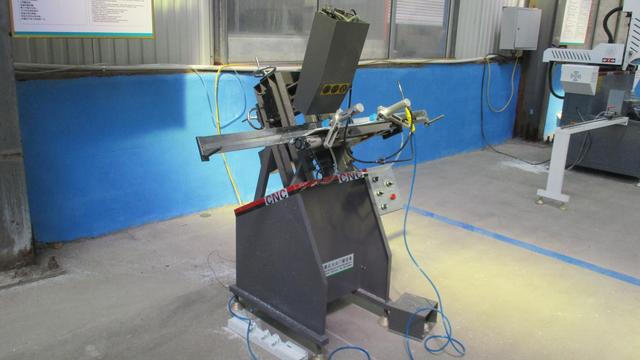
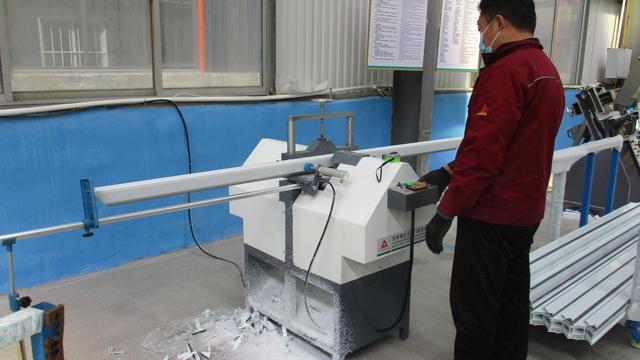
Fully automated four-head CNC corner welding and seamless corner cleaning machinery guarantee joint strength surpassing ASTM and EN standards, eliminating air leakage and water ingress.
Direct integration with premium glass processing facilities (Low-E, Argon, Triple Glazing, Laminated Impact Glass) and world-class hardware hardware brands (Roto, Siegenia, Hoppe, Kin Long).
Streamlined raw material supply chains in Guangdong manufacturing clusters enable high-end uPVC window manufacturing at 30% to 50% lower total procurement cost than Western counterparts.
Full support for international design standards: North American NFRC/AAMA sash hung profiles, European Passivhaus tilt-and-turn standards, and Australian AS2047 weather requirements.
Data-backed structural, acoustic, and thermal performance parameters for commercial project evaluation.
| Performance Parameter | uPVC Classic Profile (Multi-Chamber) | Thermal Break Aluminum | Standard Non-Thermal Aluminum | Architectural Hardwood |
|---|---|---|---|---|
| Thermal Transmittance (U-Value) | 0.79 – 1.3 W/m²K (Superior) | 1.4 – 2.2 W/m²K (Moderate) | 3.5 – 6.0 W/m²K (Poor) | 1.2 – 1.8 W/m²K (Good) |
| Acoustic Insulation (STC/dB) | Up to 45 dB (High Attenuation) | 35 – 40 dB | 25 – 30 dB | 32 – 38 dB |
| Coastal Salt Spray Corrosion | 100% Inert (Immune to Rust) | Requires Anodizing/Coating | Prone to Oxidation | Rot/Decay Vulnerable |
| Maintenance Cycle | Zero Maintenance (30+ Years) | Low Maintenance | Low Maintenance | High (Repainting/Sealing) |
| Design Flexibility & Finishes | ASA Co-extrusion / Renolit Foils | Powder Coating / PVDF | Powder Coating | Stain / Lacquer |
| Cost-to-Performance Ratio | Optimal (Highest ROI) | High Initial Cost | Low Cost / High Energy Loss | Very High Cost |
How intelligent window engineering is aligning with carbon neutrality, smart building integration, and extreme weather resilience.
With strict global building energy regulations, 70mm and 88mm profile depth uPVC systems equipped with triple-pane Low-E glazing, warm-edge spacers, and Argon gas filling are achieving Passivhaus accreditation, cutting HVAC power usage by up to 40%.
Integrating galvanized steel profile reinforcements (1.5mm to 2.5mm thickness) inside internal chambers alongside PVB/SGP laminated impact glass allows classic uPVC windows to pass Miami-Dade and Florida Building Code hurricane design pressure (DP60+) testing.
Modern uPVC casement and tilt-and-turn systems now embed concealed motorized actuators, magnetic security sensors, and rain-sensing auto-closure mechanisms compatible with KNX and IoT home automation platforms.
Tailored engineering configurations designed for regional micro-climates, urban zoning laws, and architectural typologies.
In high-salinity and hurricane-exposed areas, metal frames often suffer severe galvanic corrosion and paint pitting within years. Classic uPVC frames offer an engineered solution: complete salt spray immunity combined with internal high-tensile steel structural box sections. Coupled with SGP-laminated impact glass, these windows resist windborne debris impact up to 160 mph without frame deformation.
Acoustic pollution in urban centers negatively impacts living quality. Shenzhen Nova Panel Co., Ltd. engineers soundproof uPVC window configurations featuring asymmetric double/triple acoustic glazing (e.g., 6mm + 12Ar + 8.38mm Laminated) and continuous EPDM triple-sealing gaskets. This system attenuates ambient city noise by up to 45 decibels (dB), creating quiet indoor environments near highways and airports.
Heat loss through window frames accounts for up to 30% of building thermal inefficiency. By leveraging multi-chamber uPVC profiles filled with polyurethane insulation inserts and paired with double Low-E coatings and Argon gas, uPVC windows maintain an exceptionally low thermal bridging co-efficient, eliminating frame condensation and frost formation even when exterior temperatures drop to -30°C.
Architects demand aesthetic versatility. Modern uPVC classic windows utilize German-engineered Renolit woodgrain laminates or co-extruded PMMA color layers (e.g., Anthracite Grey, Black, Golden Oak). This delivers the aesthetic warmth of traditional timber or sleek modern powder-coated metal without structural warping or maintenance repainting.
Key quality assurance parameters global contractors and procurement managers must inspect before finalizing OEM factory orders.
Ensure class A uPVC profile wall thickness (≥ 2.8mm for main profiles) according to EN 12608 standards. Thicker outer walls ensure structural corner weld strength and screw pull-out force resistance for heavy triple glazing units.
Verify that inner steel reinforcement profiles possess hot-dip zinc coating (≥ 120g/m²) with minimum 1.5mm wall thickness. Steel inserts must extend along the entire frame sash perimeter for structural integrity against wind loads.
Inspect multi-point locking hardware for durability certification. High-quality friction hinges, tilt-turn gearboxes, and handles should withstand a minimum of 25,000 to 50,000 continuous opening/closing operational cycles.
Expert answers to key technical questions from architects, developers, and wholesale buyers.
Discover our specialized high-security, hurricane-impact, special shape, and thermal break window product offerings.
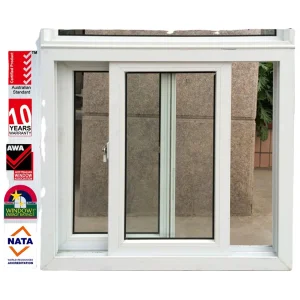
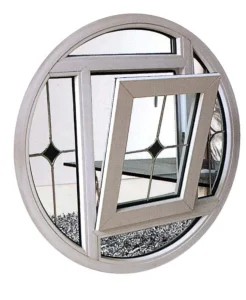
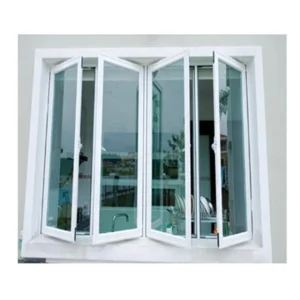
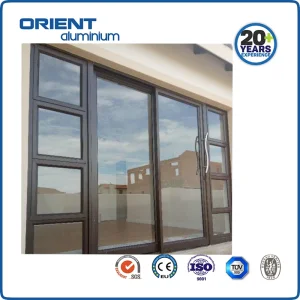
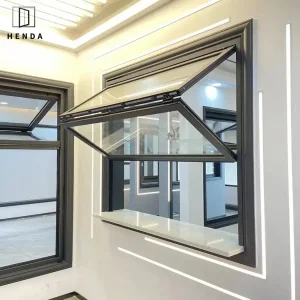
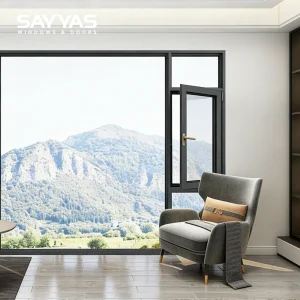
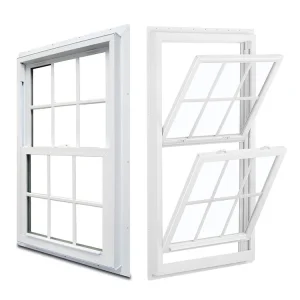
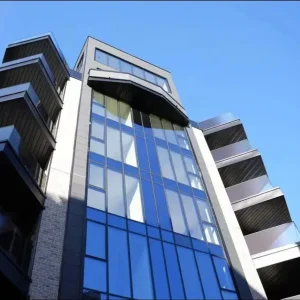
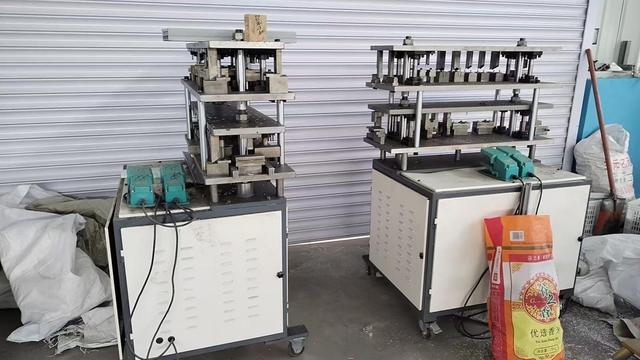
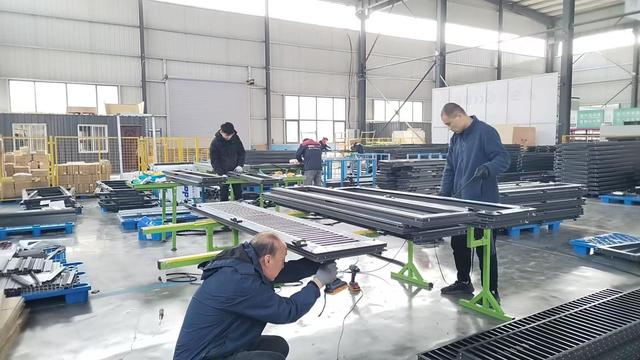
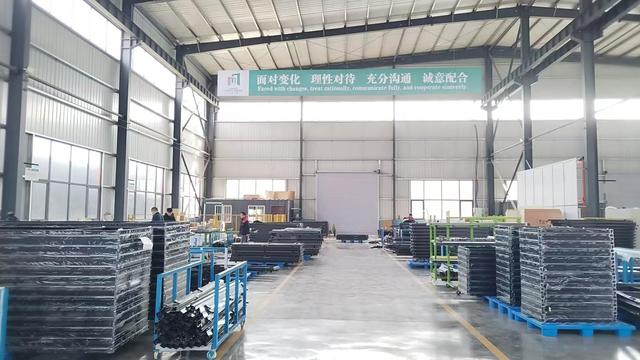
Inside Shenzhen Nova Panel Co., Ltd.'s 12,000+ m² automated manufacturing facility, precision extrusion lines, and quality control labs.
 Nova Panel