
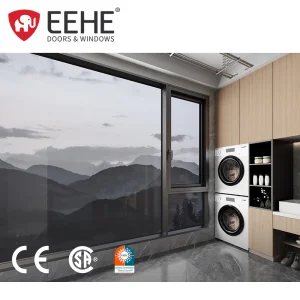
The contemporary construction landscape is undergoing a dramatic shift, dictated by accelerating urbanization and heightening regulatory demands for noise mitigation. Rapid urban expansion has turned environmental noise pollution (from highways, transit networks, and high-density industrial hubs) into a critical architectural challenge. Today, acoustic comfort is directly linked to human wellness, cognitive productivity, and real estate valuation.
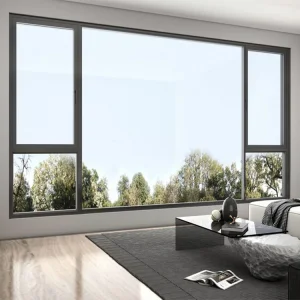
Aluminum soundproof windows have emerged as the industrial gold standard for luxury residential developments, healthcare facilities, and modern commercial offices. Aluminum offers exceptional structural rigidity, slender sightlines, and unmatched longevity when compared to wood or traditional plastic frames. By combining thermal break aluminum extrusions with advanced multi-layered acoustic glass, manufacturers are now achieving sound insulation levels that were once technically impossible.
Modern acoustic glazing systems engineered with multi-layer polyvinyl butyral (PVB) acoustic laminates and structurally isolated framing systems can mitigate ambient noise from jet engines down to a whisper.
To source the right fenestration system, developers must understand the physical mechanisms of sound transmission. Sound waves propagate through the atmosphere as mechanical pressure waves. When these waves strike a standard window pane, the energy causes the glass to vibrate, turning the glass panel into a secondary transmitter that re-radiates sound inside the structure.
Acoustic performance is measured via Sound Transmission Class (STC) in the United States (ASTM E90/E413 standards) and Weighted Sound Reduction Index (Rw) under European ISO 10140 standards. Higher numbers represent superior noise reduction. While a standard single-pane window registers an STC of roughly 25, high-efficiency aluminum soundproof windows routinely cross STC 45.
| Glass Configuration | Acoustic Interlayer | Avg. STC Rating | Key Application Environment |
|---|---|---|---|
| Single Glazing (6mm Tempered) | None | 27 - 31 | Low-noise suburban zones, interior partitions |
| Standard IGU (6mm + 12mm Air + 6mm) | None | 33 - 35 | Standard residential construction, low-density areas |
| Acoustic Double Glazing (6mm + 12mm Argon + 8.38mm Lami) | 0.38mm PVB Acoustic | 40 - 43 | Urban arterials, light industrial corridors, hotels |
| Premium Acoustic Triple Glazing (8.76mm Lami + 12mm Ar + 6mm + 12mm Ar + 8.76mm Lami) | Dual 0.76mm PVB Acoustic | 47 - 52+ | Airport landing paths, heavy rail tracks, hospital ICU zones |
The "Coincidence Effect" represents a major design barrier. Every solid material possesses a critical frequency at which it vibrates in unison with incoming sound waves, causing a significant dip in acoustic insulation. In standard double glazing, if both glass panes are of equal thickness (e.g., 6mm + 6mm), they share the same critical frequency, compounding the performance drop. Top-tier acoustic window manufacturers overcome this by employing asymmetric glass thicknesses (e.g., combining 6mm and 8mm panes) to decouple the critical frequencies and maintain consistent acoustic attenuation across the entire human hearing spectrum (125 Hz to 4000 Hz).
While this guide emphasizes aluminum soundproof windows, comparing aluminum to high-performance uPVC is vital to determine the right technical pathway for diverse real estate portfolios. Both systems offer distinct structural benefits.
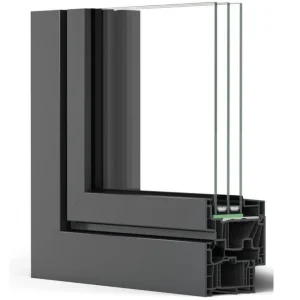
Aluminum is inherently robust and allows for ultra-slim, minimalist frames that support massive glass units. However, because aluminum is highly conductive, it requires a structural polyamide thermal break (typically multi-cavity, glass-fiber reinforced) to decouple the interior and exterior frames. This break blocks heat transfers and disrupts solid-state sound propagation through the frame profile.
uPVC (Unplasticized Polyvinyl Chloride) naturally possesses extremely low thermal and acoustic conductivity. High-end uPVC systems feature multi-chambered extrusion designs (5 to 7 chambers) packed with internal galvanized steel reinforcement cores. This structure provides excellent sound absorption and high energy efficiency, though with slightly thicker frame profiles than aluminum.
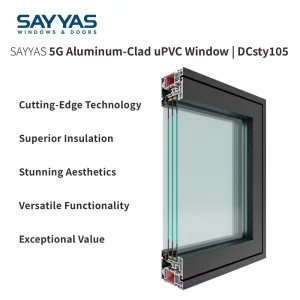
For extreme architectural applications, wood-clad aluminum or uPVC-clad aluminum windows leverage the combined density of different materials. This multi-material composition dampens sound waves across diverse frequencies, offering a premium interior finish alongside rugged, weather-resistant aluminum exteriors.
Established in 2011, Shenzhen Nova Panel Co., Ltd. has grown into a leading global force in the engineering, customization, and manufacture of ultra-high performance uPVC and aluminum window systems. Strategically headquartered in the industrial tech hub of Shenzhen, China, Nova Panel supports property developers, design-build firms, and architectural consultants globally with high-performance glazing assemblies.
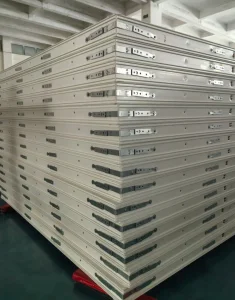
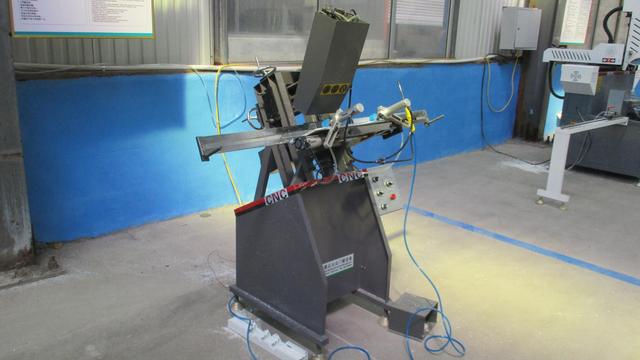
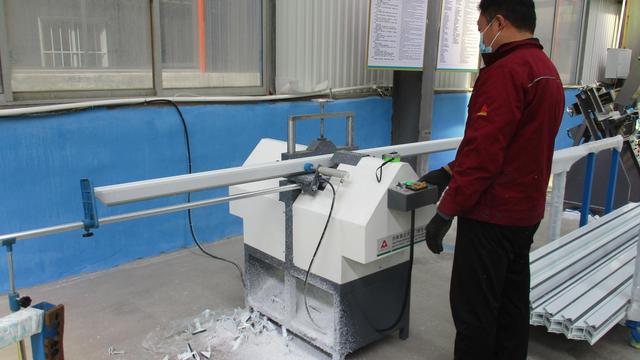
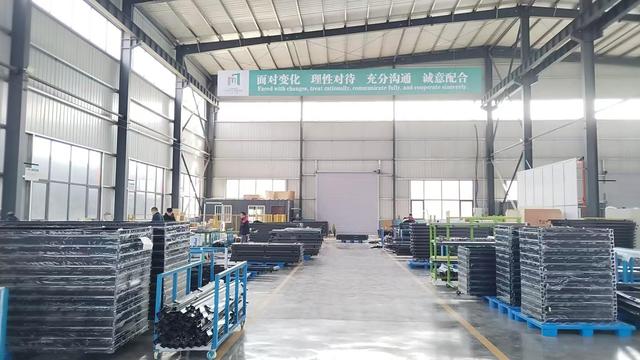
Nova Panel operates a modern manufacturing facility covering more than 12,000 square meters. Housing specialized advanced extrusion processing lines, CNC precision profile cutting stations, automated quad-point welding arrays, and rigorous quality inspection units, the company ensures absolute structural precision across all production lines. Supported by a workforce of over 220 dedicated technicians and engineers, Nova Panel delivers highly customizable solutions for challenging projects.
Take a look inside our 12,000+ square meter factory in Shenzhen, highlighting our state-of-the-art production machinery, precision assembly lines, and high-performance quality inspection processes.
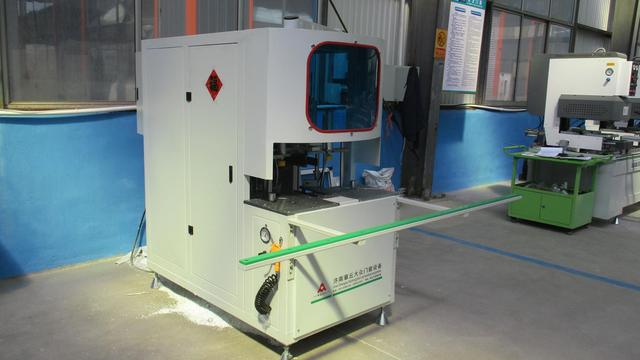
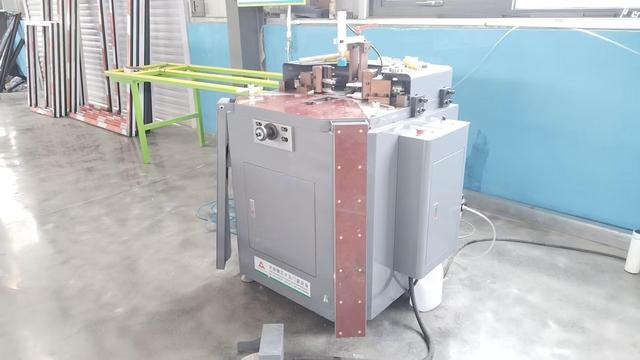
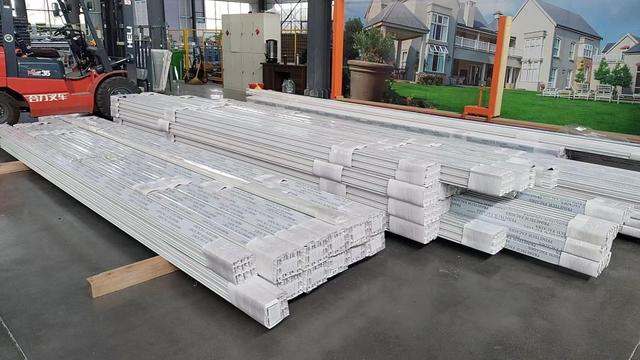




Acoustic demands vary widely across different building typologies. Implementing target-specific window specifications optimizes acoustic comfort and project budgets.
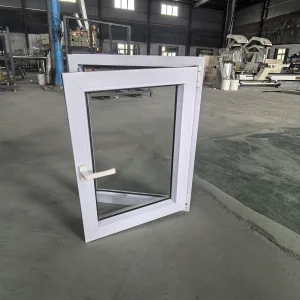
For hotels located near airport corridors or urban transit networks, guest satisfaction is directly tied to a quiet indoor environment. Standard solutions call for thermally broken aluminum casement systems featuring multi-point compression locks. Combined with asymmetric acoustic laminates, these systems consistently achieve interior ambient noise levels below 30 dBA.
High-rise window systems must withstand elevated wind loads while blocking low-frequency urban traffic noise. Engineers integrate heavy-duty aluminum window frames (such as 70mm or 80mm profile depths) with triple-pane insulated glass. These frames utilize structural polyamide thermal breaks to combine acoustic attenuation with high wind resistance.
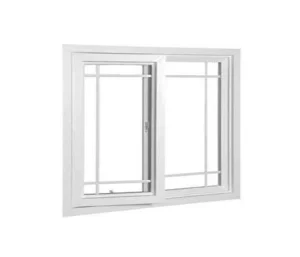
In classrooms and patient care units, noise mitigation is critical for focus and recovery. High-performance casement and tilt-and-turn windows are preferred over sliding systems because they offer a superior compression seal. When fitted with double laminated glass, these units block high-frequency noise and lower HVAC energy demands.
As smart cities grow and building energy codes become more stringent, top manufacturers are developing next-generation acoustic glazing technologies. Key developments include:
These advanced technologies help properties meet demanding green building certifications (such as LEED, WELL, and Passive House standards). Specifying sustainable materials, such as post-consumer recycled aluminum, allows project designers to minimize the embodied carbon footprint of the building envelope without compromising on acoustic performance or long-term structural durability.
For project managers and procurement specialists, partnering with manufacturers like Shenzhen Nova Panel who actively invest in advanced R&D ensures long-term compliance with changing building regulations and provides a reliable supply of next-generation acoustic solutions.
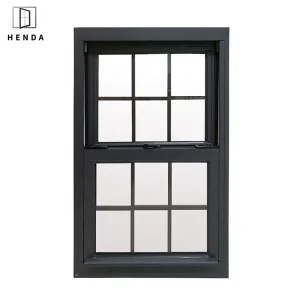
 Nova Panel