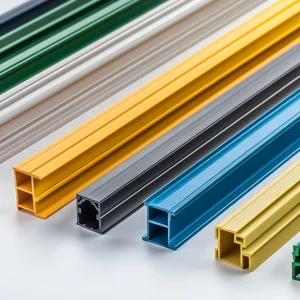
Explore our leading custom configurations manufactured with high-durability vinyl profiles, multi-chamber thermal breaks, and structural core reinforcements.
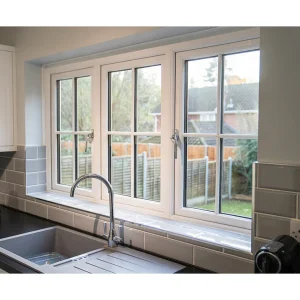
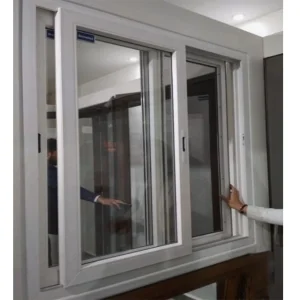
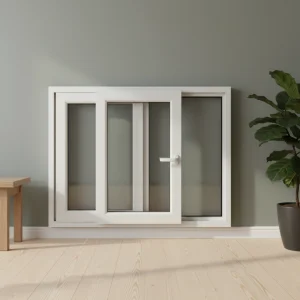
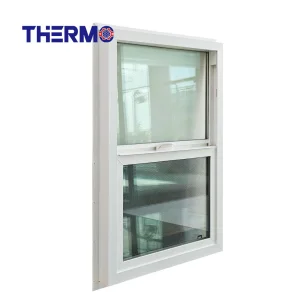
Shenzhen Nova Panel Co., Ltd. is a leading, professional uPVC Window Manufacturer specializing in advanced energy-efficient window systems, custom architectural glazing solutions, and high-capacity OEM/ODM production services. Established in 2011, our operations are anchored in Shenzhen, China, where we operate a state-of-the-art manufacturing facility spanning over 12,000 square meters and power our growth through a dedicated workforce of over 220 employees.
Our organization specializes in the rigorous engineering, structural design, and scaling of high-performance architectural fenestration. By integrating precision fabrication machinery with premium virgin uPVC polymer formulations, Nova Panel services real estate developers, commercial contractors, wholesale distributors, and institutional buyers across all major global markets.
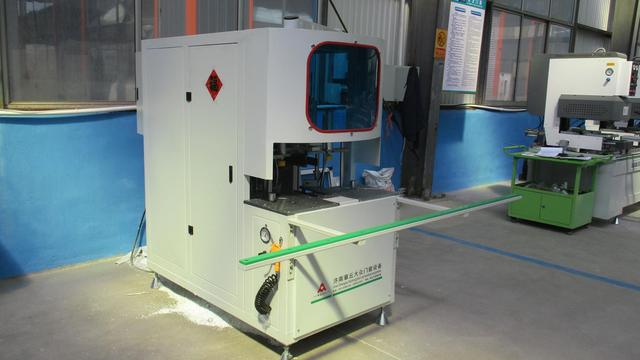
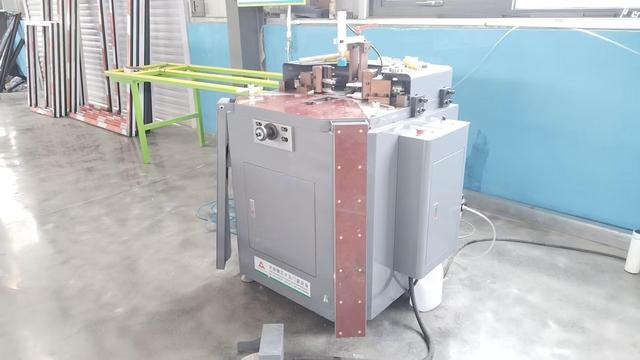
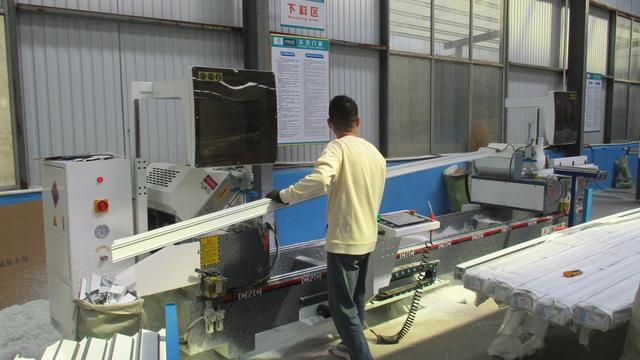
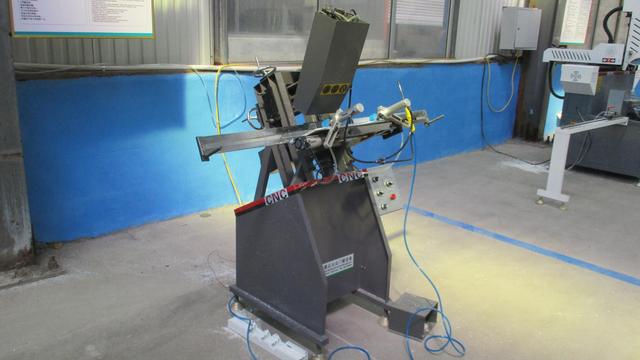
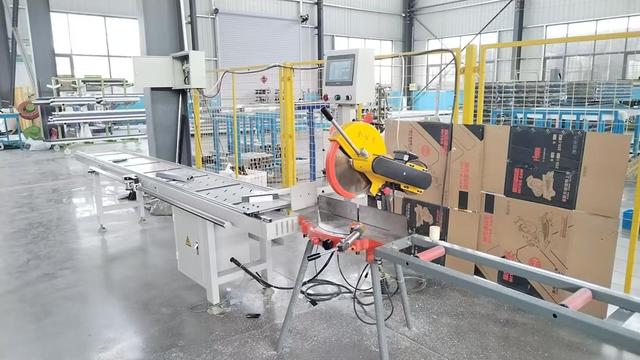
Through decades of refining manufacturing workflows, our production systems encompass automated dual-axis welding, automated multi-head profile cutters, CNC corner clearing machinery, and online glass assembly lines. This ensures micron-level tolerances across all custom profiles.
Understanding the shift toward high-performance uPVC polymers in global commercial architecture and low-carbon infrastructure design.
The global construction industry is undergoing a critical transition driven by tightening municipal carbon limits, energy codes, and building lifecycle regulations. Historically, aluminum windows dominated commercial developments. However, aluminum acts as a thermal bridge, conducting heat rapidly unless equipped with complex and costly thermal breaks. Un-insulated aluminum frames compromise the overall U-value of building envelopes, leading to elevated heating and cooling loads.
Modern uPVC (unplasticized Polyvinyl Chloride) architectural window profiles have emerged as a high-performance, cost-effective alternative. Because uPVC is a natural thermal insulator, it exhibits low thermal conductivity (approximately 0.14 W/m·K, compared to over 160 W/m·K for aluminum). By eliminating thermal bridging, uPVC frames reduce HVAC energy consumption, helping developers achieve compliance with international green building standards such as LEED, BREEAM, and Passive House (Passivhaus).
Additionally, the commercial lifespan of architectural fenestration must withstand varying environmental stressors. Our uPVC profiles are synthesized using premium titanium dioxide (TiO2) stabilizers and impact modifiers. This advanced formulation prevents the material from yellowing, chalking, or embrittling when exposed to intense UV radiation. Unlike metal frames, uPVC is completely immune to electrochemical corrosion, acid rain, and saline atmospheres, making it the standard choice for coastal, high-humidity, and heavy industrial environments.
From a lifecycle cost assessment (LCCA) standpoint, uPVC window systems offer an optimal return on investment. The initial manufacturing and installation costs are lower than thermally broken aluminum or wood, and the near-zero maintenance requirements (no painting, sealing, or anti-corrosive treatments needed) result in significantly lower operational expenses over a 30- to 50-year building lifecycle.
Achieve up to 40% reduction in heating and cooling energy expenditures over building lifespans through high-efficiency profile designs.
Highly resistant to chemical agents, environmental pollutants, saline spray, and moisture-induced decay in harsh marine environments.
Engineered for a operational lifecycle exceeding 40 years, with high retention of structural rigidity and surface aesthetic appeal.
Ensuring structural and thermal compliance across different building codes and regional certification standards.
Our products are manufactured to align with the thermal and structural criteria set by the National Fenestration Rating Council (NFRC) and the American Architectural Manufacturers Association (AAMA). We offer high-performance Low-E coatings, argon gas fills, and multi-chamber structures that achieve Energy Star certified U-factors and Solar Heat Gain Coefficients (SHGC). This makes them suitable for climates ranging from the hot southern states of the US to the cold northern regions of Canada.
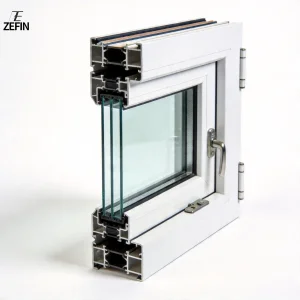
To meet European standards, our profile formulations are strictly lead-free, utilizing organic Calcium-Zinc (Ca-Zn) stabilizers. Our windows satisfy EN 14351-1 requirements for air permeability, water tightness, and wind resistance. For projects aiming for net-zero carbon, we engineer multi-chamber systems (up to 7 chambers) with triple-pane glazing to meet strict Passivhaus requirements, keeping thermal transmittances (Uw) below 0.8 W/m²K.
Our designs for Australia and New Zealand undergo testing to comply with AS2047 mechanical standards and AS1288 glazing rules. The profiles are formulated using high-dose UV stabilizers to withstand the region's high solar index. We also utilize multi-point locking systems and dual-seal EPDM gaskets to prevent air infiltration and water leaks under severe wind loads, which is essential for projects in cyclone-prone coastal zones.
Our architectural uPVC window profiles feature built-in acoustic baffles and support triple-glazing with acoustic PVB interlayers. This configuration reduces noise by up to 45 dB (STC 45), making it well-suited for high-density inner-city developments, hospital facilities, and hotel projects near busy transportation corridors.
From high-rise multi-family housing to marine coastal resorts, explore how our custom OEM systems fit specific projects.
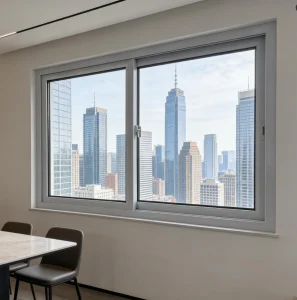
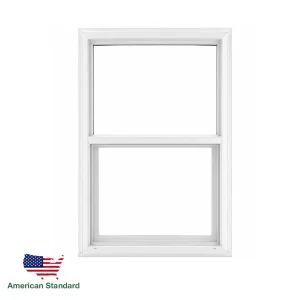
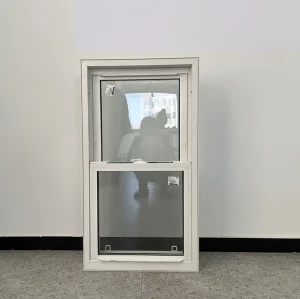
High-altitude multi-family residential towers face high wind loads and outdoor noise. Our custom double-hung and tilt-and-turn uPVC windows, reinforced with internal structural steel, provide the necessary wind resistance and acoustic insulation to ensure occupant comfort.
Healthcare facilities require strict energy performance, clean air, and sterile surfaces. Our lead-free casement systems feature non-porous uPVC surfaces that resist bacterial growth, stand up to harsh chemical disinfectants, and help maintain steady indoor temperatures.
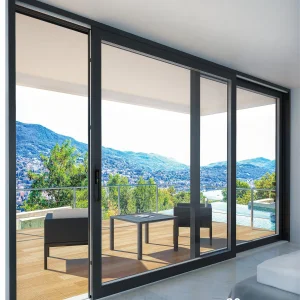
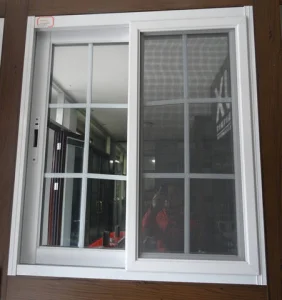
Salt spray, high humidity, and tropical storms quickly corrode standard metal frames. Our hurricane-proof, multi-point locking sliding window profiles are built with corrosion-proof hardware, double-glazing, and impact-resistant frames to withstand coastal environments.
Our commitment to R&D shapes the next generation of architectural fenestration solutions.
Developing bio-attributed PVC materials to reduce carbon footprints by using renewable ethylene feedstocks instead of fossil fuels, supporting circular construction methods.
Integrating silica aerogel insulation directly into the profile's internal chambers. This design allows thinner profile frames to achieve U-values under 0.6 W/m²K.
Engineering profile frames to accommodate electrochromic, smart-tinting glass and built-in sensors, allowing integration with modern automated building management systems (BMS).
Adapting profile channels to fit ultra-thin Vacuum Insulated Glass. This combination offers triple-pane insulation performance in a profile thickness similar to single-pane systems.
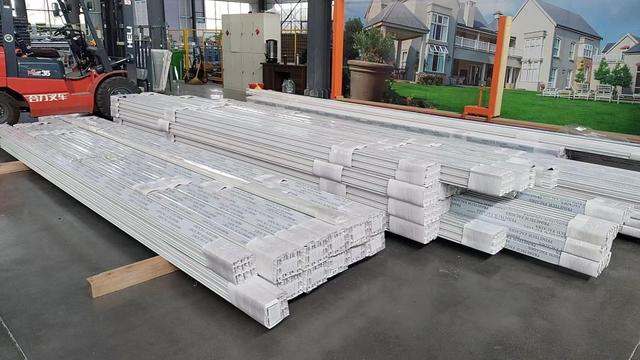
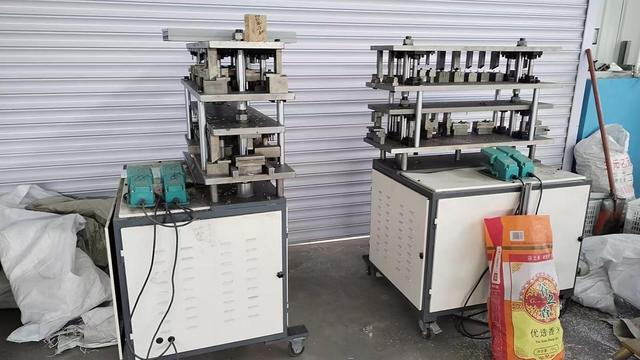
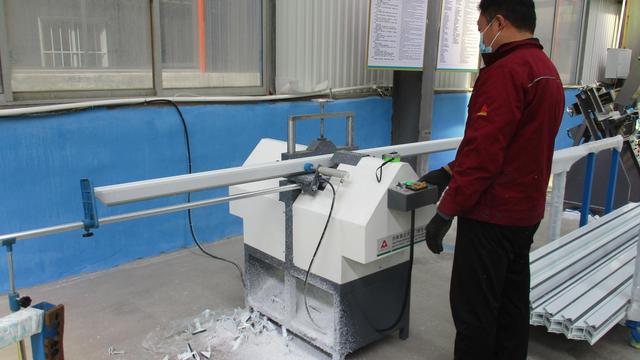
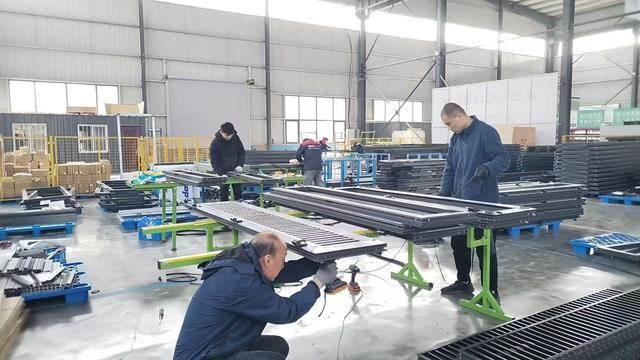
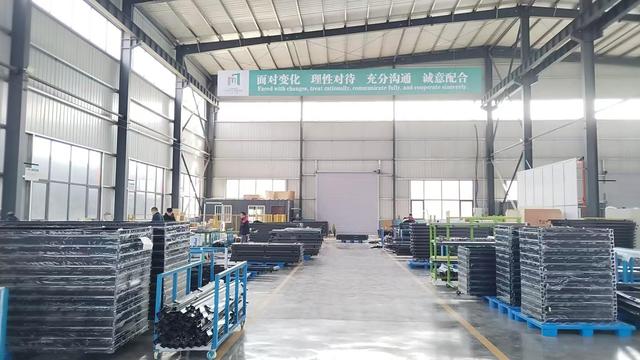
Take a look inside our 12,000-square-meter facility, featuring high-precision extrusion machinery, automated welding equipment, and testing laboratories.
Get technical answers about uPVC material characteristics, OEM options, global shipping, and compliance standards.
uPVC has a low thermal conductivity (about 0.14 W/m·K), which prevents thermal bridging far more effectively than standard aluminum. Even thermally broken aluminum profiles are more conductive and expensive to manufacture. uPVC reduces the building's overall heating and cooling energy needs, helping developments achieve certifications like LEED or Passivhaus.
Yes. For mid- and high-rise projects facing higher wind loads, we integrate galvanized steel reinforcement chambers (ranging from 1.5mm to 2.5mm in thickness) directly into the uPVC profiles. This design enhances structural rigidity, ensuring compliance with local wind and deflection standards.
Our uPVC profiles are formulated with high-grade Titanium Dioxide (TiO2) stabilizers and organic UV inhibitors. This chemical makeup helps prevent discoloration, chalking, or cracking, even when exposed to intense UV radiation, keeping the frames structurally stable over decades.
We manufacture our products in compliance with major regional standards, including CE marking (EN 14351-1) for Europe, NFRC/AAMA guidelines for North America, and AS2047/AS1288 requirements for Australia and New Zealand. Certified testing documentation can be provided during project planning.
Yes. We offer a variety of surface treatments, including PMMA co-extruded colors, acrylic foils, and realistic woodgrain laminates. This gives developers the aesthetic look of wood or metal along with the thermal benefits and low-maintenance features of uPVC.
Lead times vary depending on the project's size and complexity. Typically, profile design, extrusion tooling (if a custom mold is needed), sample verification, and mass production take between 30 to 45 days. We coordinate directly with your logistics partners to ensure timely delivery to the project site.
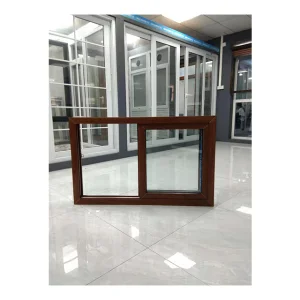
Explore our additional high-performance window styles, featuring advanced hardware configurations and multi-chamber systems.
 Nova Panel