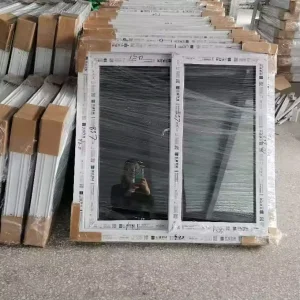
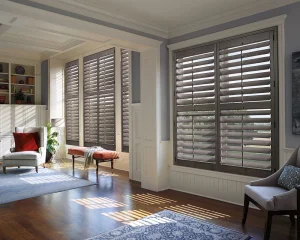
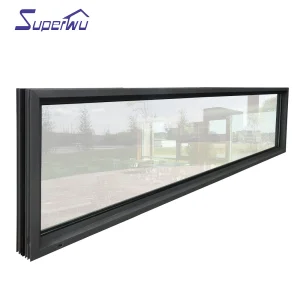
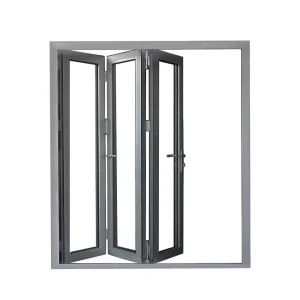
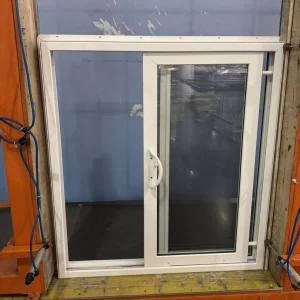
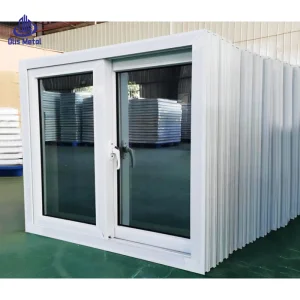
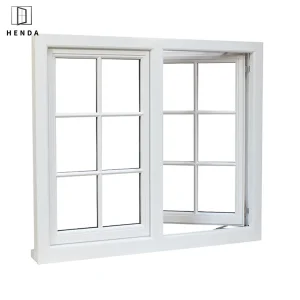
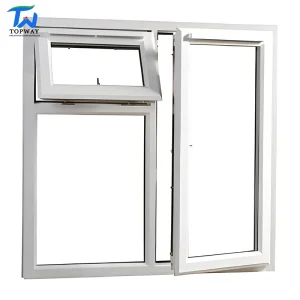
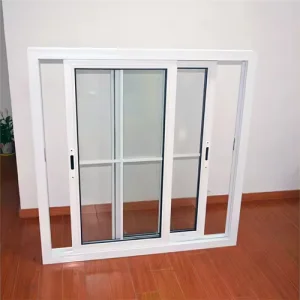
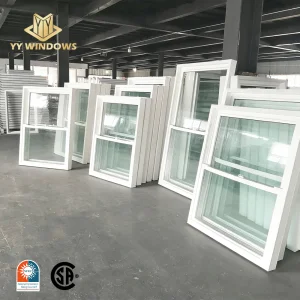
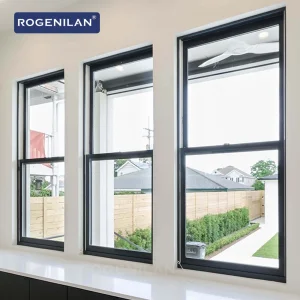
Explore our top-tier engineering options certified for water tightness, high wind-pressure resistance, and low thermal transmittance.
Global Pioneer in Structural Fenestration Systems & Architectural Glass Integration
Established in 2011, Shenzhen Nova Panel Co., Ltd. has grown to become a premium, globally trusted uPVC Window Manufacturer. Specializing in advanced energy-efficient window systems, custom architectural glazing solutions, and high-volume OEM/ODM production, Nova Panel delivers custom-tailored building envelope solutions for complex residential, commercial, and heavy-duty structural projects around the globe.
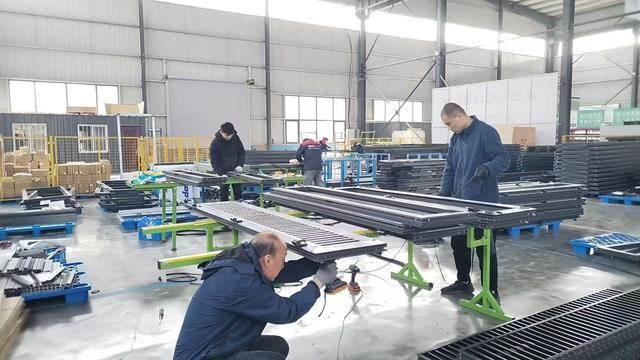
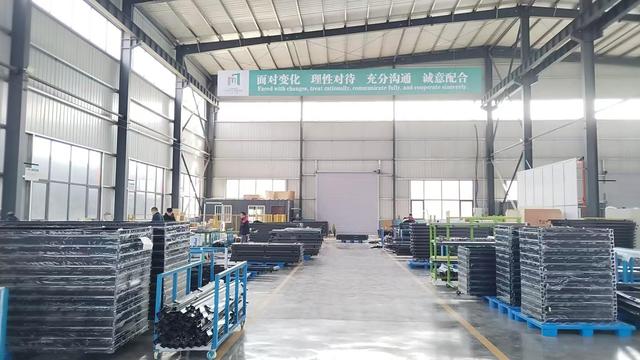
Headquartered in the global technology hub of Shenzhen, China, our company manages an advanced manufacturing facility that spans over 12,000 square meters and utilizes automated machinery operated by more than 220 highly skilled technicians. This infrastructure allows Nova Panel to engineer and export custom architectural configurations that strictly conform to international quality matrices and localized building codes.
Our core mission revolves around minimizing structural thermal bridge effects through the deployment of multi-chamber profiles, state-of-the-art dual and triple-glazing systems, and superior-grade German hardware integrations. By marrying cutting-edge extrusion technology with rigorous raw material testing, we empower builders and distributors with fenestration products that withstand intense UV radiation, seismic loads, and hurricane conditions.
Deploying robust, low-maintenance uPVC fenestration models to solve contemporary energy, acoustics, and structural challenges.
High-performance multi-chamber profiles filled with argon insulation eliminate thermal transfers. Optimizes commercial HVAC energy demands by up to 45% compared to non-thermal break aluminum frames.
Engineered with specialized multi-chambered co-extruded frames and thick laminated double-glazed panels, achieving acoustic attenuation metrics up to STC 45 / Rw 44 dB. Ideal for airport-adjacent and dense urban projects.
Internal steel-reinforced cavities coupled with high-strength laminated safety glass resist structural deformation under wind load conditions exceeding 6000 Pa. Certified for high-velocity hurricane zones (HVHZ).
Exploring structural configurations, material composition, and the engineering science behind high-end vinyl fenestration.
To understand why premium uPVC French Windows have become the standard for modern high-performance buildings, we must analyze their mechanical and chemical compositions. Unlike standard plastic frames of the past, contemporary unplasticized Polyvinyl Chloride (uPVC) is custom-compounded with stabilizers, UV inhibitors (such as micronized Titanium Dioxide, or TiO2), and impact modifiers. These additives ensure that the polymer chains do not degrade, discolor, or become brittle under intense ultraviolet exposure in tropical or desert climates.
Heat transfer through a window occurs via conduction, convection, and radiation. Traditional single-cavity profiles allow thermal energy to bridge quickly between the exterior and interior faces. Nova Panel engineers multi-chambered profiles (typically 5 to 7 independent internal chambers). These chambers break up internal air currents, suppressing convective heat transfer. Furthermore, specialized steel reinforcement channels are mechanically isolated in their own chambers to prevent thermal bridging while maintaining structural rigidity.
| Performance Metric | Standard uPVC Profile | Nova Panel Premium uPVC System | Thermal Break Aluminum |
|---|---|---|---|
| U-Factor (Thermal Transmittance) | 1.8 - 2.2 W/m²K | 0.8 - 1.2 W/m²K (Low-E Argon) | 1.4 - 1.8 W/m²K |
| Acoustic Rating (STC / Rw) | 30 - 32 dB | 38 - 45 dB | 35 - 38 dB |
| Wind Load Deflection Pressure | 2500 Pa | Up to 6000 Pa (Class C5) | Up to 5000 Pa |
| Water Penetration Resistance | 250 Pa | ≥ 600 Pa (Class 9A) | ≥ 450 Pa |
| Lifespan / UV Degradation Resistance | 15 - 20 Years (moderate yellowing) | 40+ Years (Zero degradation formulation) | 35+ Years (Anodized/Powder coating) |
The production of high-performance profiles requires precision engineering during the extrusion process. Nova Panel employs co-extrusion technology to fuse PMMA (Polymethyl Methacrylate) layers onto the outer surfaces of uPVC profiles, providing superior color-fastness and scratch resistance. Frame corners are then processed using automatic four-point CNC fusion welders. Unlike mechanical joints found in aluminum windows, fusion-welded corners form a single, continuous piece of uPVC, guaranteeing that corners remain 100% water and airtight for the lifetime of the installation.
Navigating code compliance, energy standards, and localization certifications across North America, Europe, and Oceania.
For developers in the United States and Canada, our uPVC French Windows are engineered to comply with the AAMA/WDMA/CSA 101/I.S.2/A440 standard. We optimize glass configurations to achieve exceptional NFRC (National Fenestration Rating Council) ratings for both U-factor and Solar Heat Gain Coefficient (SHGC), facilitating Energy Star compliance across zones 1-4.
European construction demands strict adherence to the EN 14351-1 standard for external pedestrian doorsets and windows. Our profiles are tested to meet the high thermal efficiency metrics required for Passivhaus (Passive House) applications, ensuring maximum air sealing performance and structural longevity under European winter loads.
In Australia and New Zealand, windows must withstand intense solar UV radiation and high wind loads. Our products undergo rigorous testing according to AS 2047, measuring structural deflection under extreme pressure, water penetration resistance, and air infiltration rates to secure building approval in cyclone-prone coastal zones.
By working closely with local structural engineers, distributors, and architects during the design phase, Nova Panel assists with shop drawings, calculations for dead-loads/wind-loads, custom flange profiles for brick veneer or stucco wall systems, and hardware configurations that comply with local egress and safety codes.
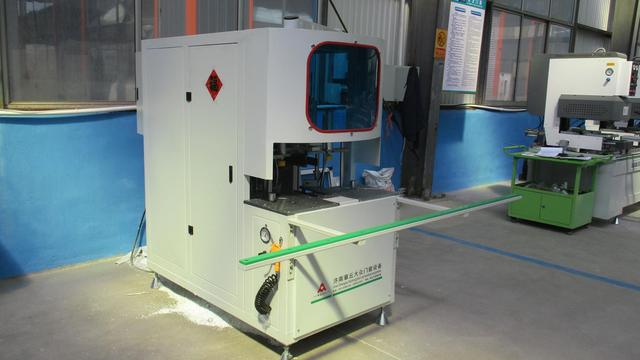
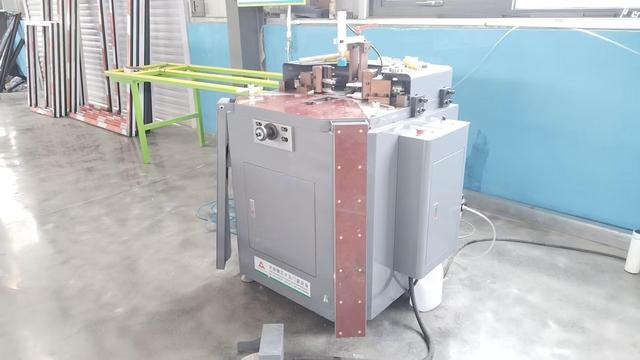
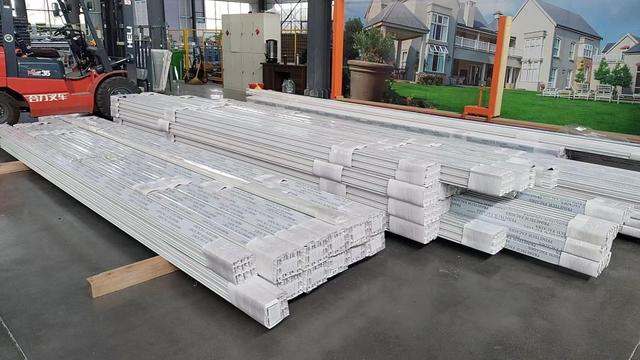
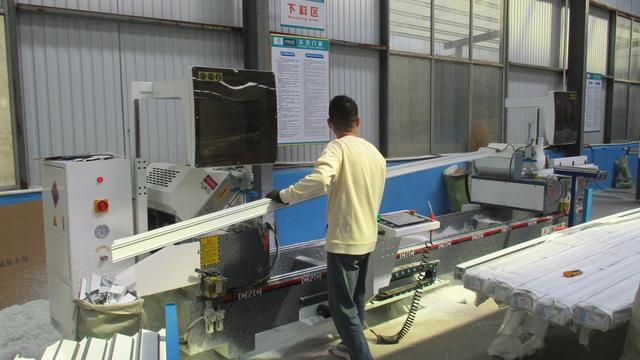
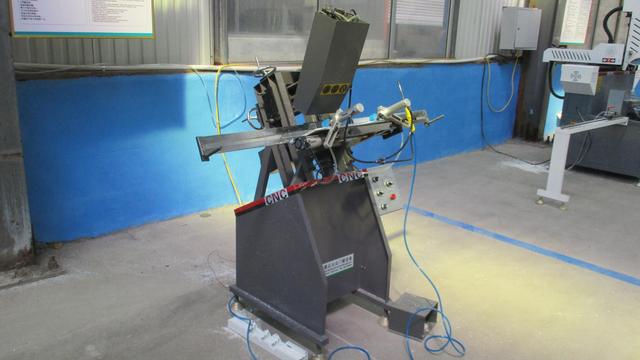
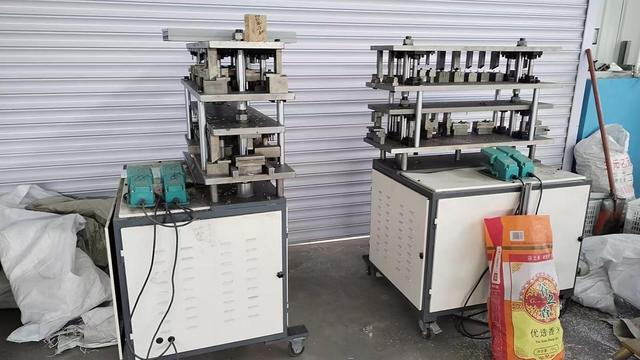
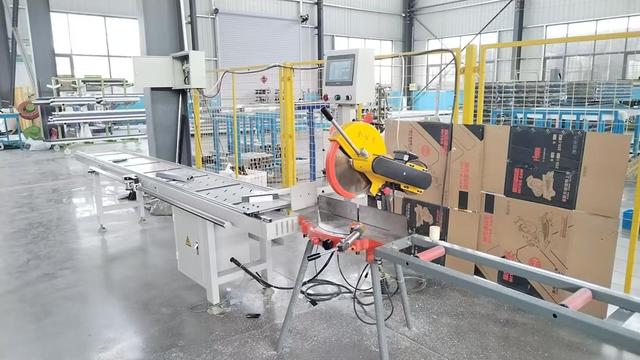
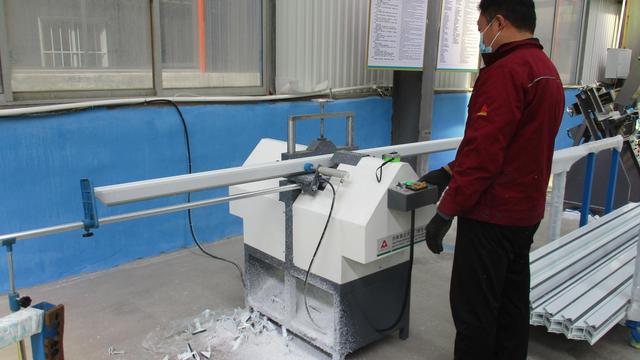
Inside Nova Panel's 12,000 SQM facility: automated extrusion, welding, glazing, and quality testing systems.
How next-generation materials and smart systems are transforming uPVC fenestration technology.
Infusing Silica Aerogels into internal multi-chambered cavities. This reduces core heat conductivity, lowering profile U-values to below 0.6 W/m²K to meet future ultra-strict net-zero carbon building regulations.
Integrating electrochromic and SPD (Suspended Particle Device) glazing directly into the dual-glazed units. Windows dynamically adjust solar heat gain based on temperature, reducing cooling and lighting power loads.
Shifting raw material reliance from fossil resources to bio-attributed monomers and 100% recycled industrial scraps. This path slashes carbon footprints by up to 90% while maintaining equivalent mechanical properties.
Direct answers to the most common technical questions regarding importing, structural engineering, and installation of uPVC systems.
Aluminum windows in coastal areas are highly susceptible to galvanic corrosion and pitting caused by salt air, even when powder-coated. High-performance uPVC is fundamentally non-reactive to chemical pollutants, salt water, and acid rain. It does not pit, peel, or rust, offering a longer operational lifespan in marine environments without extensive maintenance.
Depending on local wind load and engineering calculations, we use hot-dipped galvanized steel reinforcement ranging from 1.5mm up to 2.5mm in thickness. These steel inserts are structurally secured inside the central chambers to prevent deflection and ensure long-term stability for larger sash dimensions, such as those in French doors.
Yes. While natural white is the default, we offer advanced customization options including PMMA co-extrusion (cap-stock layering) for premium exterior finishes, high-durability lamination foils (such as Renolit foils) in wood-grain textures, and bespoke RAL powder coating matching options.
Standard OEM/ODM production cycles require 25 to 35 days from receipt of technical drawings approval and deposit. Complex architectural customizations or custom-built tooling profiles may require an additional 10 to 15 days for calibration and safety testing before production runs begin.
We support a wide range of glass options, including double-glazed and triple-glazed units, low-emissivity (Low-E) coatings, argon-filled cavities, warm-edge spacers, tempered safety glass, sound-dampening acoustic PVB laminated glass, and bullet-resistant specialty combinations.
Engineered solutions for builders, project managers, and dealers needing verified structural certifications.
 Nova Panel