Why are uPVC windows popular in modern buildings? In 2026, the answer is practical: they can combine low maintenance, weather resistance, and reliable thermal performance at a competitive price. Frames do not need routine repainting, and their smooth surfaces are easy to wipe clean. That matters in busy homes, apartment blocks, and coastal settings where rain and salt can wear exposed materials. Still, a frame alone cannot guarantee an efficient window. Glazing, seals, installation, and ventilation all affect the result.
The 2024 Global Status Report for Buildings and Construction, published by the UN Environment Programme and GlobalABC, estimates that buildings and construction accounted for 32% of global energy use and 34% of energy-related CO₂ emissions in 2023. That context helps explain the demand for better-performing windows, though it does not prove uPVC is always the best choice. Building scientist Joseph Lstiburek’s guidance can be paraphrased as: “Specify the complete window system, not just the frame.” This is a paraphrase, not a verbatim quotation. Check published U-values, product certifications, and installation details before comparing bids. Look closely at the corners and seals. Small details matter. uPVC also raises questions about material sourcing, recycling, and end-of-life handling; those deserve honest attention. So, why are upvc windows popular in modern buildings? Often, they offer a useful balance of cost, upkeep, and insulation—but only when the whole unit is well specified and installed.
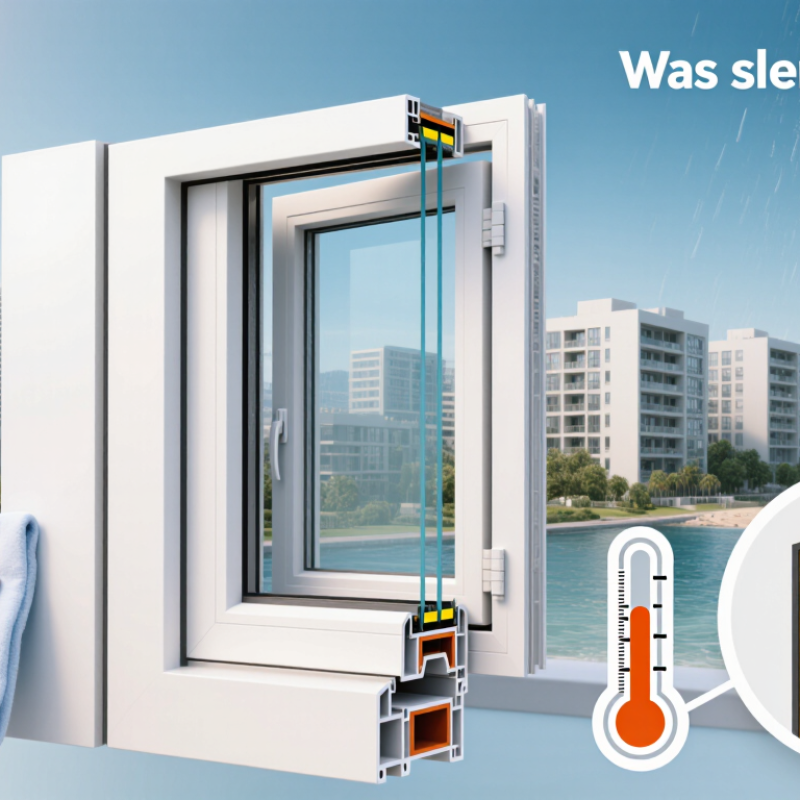
uPVC means unplasticized polyvinyl chloride, a rigid material used to make window frames. Unlike flexible PVC, it contains no added plasticizer. Manufacturers blend PVC resin with stabilizers, pigments, and impact modifiers to improve durability and weather resistance. The exact recipe varies by product. That matters.
The dry blend is heated and pushed through a shaped die in a process called extrusion. It emerges as long frame profiles, often with hollow chambers that help limit heat transfer. Cooling equipment keeps each profile straight while it hardens. Workers then cut sections to size and join frame corners, commonly by heat welding. Some designs include internal reinforcement for added stiffness. Hardware, seals, and drainage openings are fitted later. Small details count: uneven joints or poorly placed seals can affect how a window closes and sheds rain.
Tips: When comparing uPVC windows, ask how the frame is reinforced and how its corners are joined. Check that seals sit evenly and the sash opens smoothly. A thick-looking frame alone is not proof of quality. Also consider local climate and installation; even a well-made frame can perform poorly if fitted out of square. These products are practical, but not maintenance-free. Keep drainage paths clear and inspect seals periodically.
Typical thermal conductivity of common frame materials (W/m·K)
Lower thermal conductivity means less heat flows through the material itself. These indicative material-level values vary by formulation and conditions; they are not whole-window ratings. Actual window performance also depends on frame design, glazing, seals, and installation. uPVC profiles are commonly made by blending PVC resin with additives, extruding it into hollow multi-chamber sections, then cutting and joining the sections into frames.
In modern buildings, uPVC windows are often chosen for their steady insulation and practical weather resistance. Their multi-chambered frames slow heat transfer, while tightly fitted seals help limit drafts around the sash. On a cold morning, that can mean fewer chilly spots beside the window. Small details matter.
The glazing also plays a major role. Double- or triple-pane units trap air or gas between panes, reducing heat loss and outside noise. Properly installed, compression seals help keep wind-driven rain from entering at the frame. A well-designed drainage path lets collected water escape rather than pool inside the frame. These features work together, but the window’s performance depends on the whole assembly.
No frame is magic. Poor installation, worn seals, or blocked drainage can weaken insulation and weather protection. Even a quality unit may feel cold if the surrounding wall has gaps or thermal bridges. Check that the frame sits square, the perimeter is insulated, and the seals close evenly. Condensation can still appear when indoor humidity is high and glass surfaces are cold; ventilation and suitable glazing help, but do not promise a completely dry window. uPVC needs relatively little upkeep, though hinges and drainage channels still deserve occasional inspection.
In 2026, uPVC windows remain popular because they can make rooms more comfortable without demanding much upkeep. Their frames do not need routine painting, and a damp cloth usually handles ordinary dirt. Properly specified frames, sealed edges, and double glazing can help reduce drafts near a cold window seat. The U.S. Department of Energy’s Energy Saver guidance estimates that windows account for about 25–30% of residential heating and cooling energy use. That figure covers windows generally, not uPVC alone. Still, it shows why frame design and installation deserve attention.
Lower upkeep can also mean fewer repair tasks over time. That is useful in busy homes. But uPVC does not guarantee low bills by itself. Glass choice, frame quality, orientation, and installation all affect results; a poorly fitted window may still leak air. ENERGY STAR reports that certified window replacements can save an average of about 12% on energy bills compared with non-certified products, though savings vary by climate and home. This is not a uPVC-only comparison. For building budgets, compare whole-window ratings, warranties, and installation costs—not just the frame price. The cheaper option can disappoint.
| Dimension | What uPVC Can Offer | Practical Benefit | What to Check |
|---|---|---|---|
| Thermal comfort | uPVC frames conduct less heat than many common metal frame materials. Overall window performance also depends on the glazing, frame design, seals, and installation. | Well-specified windows can help reduce unwanted heat transfer and support more comfortable indoor temperatures. | Compare whole-window energy ratings or U-values for the complete window, not the frame material alone. |
| Noise reduction | Sealed, correctly installed windows can reduce outside noise. The result depends on the glass type, frame configuration, air gaps, and installation quality. | Can make rooms quieter in busy urban or roadside locations. | For noise-sensitive rooms, ask for acoustic performance data for the proposed glazing and complete window assembly. |
| Routine maintenance | uPVC does not normally need painting, and its smooth surfaces can generally be cleaned with mild soapy water. | Reduces routine upkeep compared with materials that require periodic repainting. | Follow the manufacturer’s care instructions; inspect hardware, seals, and drainage paths as part of normal maintenance. |
| Moisture and corrosion resistance | uPVC does not rust and is not susceptible to rot in the way untreated timber can be. | Can be a practical option in damp environments when the window is properly designed and installed. | Resistance to weathering varies by product and exposure. Check suitability for the local climate and installation conditions. |
| Initial project cost | uPVC windows are often positioned as a cost-conscious option, but prices vary by size, opening style, glazing, finish, and local market. | May help manage upfront window costs without choosing the least expensive specification available. | Compare like-for-like quotations that include glazing, hardware, installation, finishing, and applicable taxes. |
| Long-term building costs | Low repainting needs may reduce some maintenance expenses. Energy savings, if any, depend on the existing windows, climate, energy prices, and the new window’s performance. | Life-cycle costs can be lower when the product is durable, properly installed, and suited to the building. | Do not assume a specific payback period; evaluate installation cost, expected upkeep, and energy performance for the project. |
| Design flexibility | uPVC windows are available in a range of sizes, opening styles, and finishes, depending on the product range. | Can accommodate many common residential and commercial window layouts. | Confirm that the selected style meets ventilation, safety, accessibility, and local building-code requirements. |
| Environmental considerations | uPVC is a plastic material; environmental impacts depend on its manufacture, service life, energy performance, and end-of-life handling. Recycling options vary by location. | A durable, energy-efficient window may support building performance, but material choice alone does not determine overall environmental impact. | Ask about product lifespan, environmental documentation, and local collection or recycling routes. |
Why Are uPVC Windows Popular in Modern Buildings in 2026?
Environmental Considerations Across the Window Life Cycle
A window’s environmental impact begins before installation. Manufacturing uPVC profiles uses fossil-based raw materials and energy, while glass production also carries a carbon cost. During use, however, well-fitted windows can reduce heat loss and drafts. The actual benefit depends on climate, glazing, installation quality, and how occupants heat their homes. Small details matter: a poorly sealed frame can undermine an efficient design.
End-of-life choices matter too. The VinylPlus 2024 Progress Report recorded 737,000 tonnes of PVC recycled in Europe in 2023, across applications—not windows alone. That figure shows established recycling activity, but it does not mean every old frame is collected or recycled. Clean, separated profiles are easier to process than mixed demolition waste. The European Commission’s Level(s) framework also encourages whole-life assessment, including product manufacture, use, and end of life.
Long service life and low routine maintenance can help limit replacement, but they do not erase manufacturing impacts. Ask for a product-specific environmental declaration, and check its assumptions about lifespan, recycled content, and disposal. There is an imperfect gap here: published recycling totals rarely reveal what happens to one building’s frames. Good design helps, but local collection systems still shape the outcome.
In modern buildings, uPVC windows suit projects that need dependable insulation, straightforward upkeep, and flexible layouts. Their clean frames work in apartment façades, compact homes, and extensions, where daylight and usable floor space matter. Multi-chamber profiles can reduce heat transfer, but results depend on glazing, frame dimensions, and careful installation. Details matter.
The International Energy Agency reports that buildings use about 30% of global final energy and produce roughly 26% of energy-related emissions. That context makes window performance relevant, though changing frames alone cannot solve a building’s energy problems. Designers should compare certified U-factor and solar heat-gain ratings, then match them to local climate, orientation, and shading. A south-facing living room may need different glass from a shaded northern bedroom.
uPVC also fits projects where regular painting would be inconvenient, such as upper-floor apartments or busy family homes. It resists moisture, yet frame color, hardware, and visual proportions still shape the façade. The material is not ideal for every design; narrow sightlines or highly customized forms may require alternatives. And installation can undo good specifications. Check drainage paths, seals, and frame-to-wall joints before approving the finished work.
It means unplasticized polyvinyl chloride. It is a rigid material used for window frames, without added plasticizer.
Manufacturers heat a dry blend and push it through a shaped die. The profiles are cooled, cut, and joined, often by heat welding.
They can help limit heat transfer through the frame. They are not a substitute for suitable glazing or careful installation.
Ask how frames are reinforced and how corners are joined. Check that seals sit evenly and the sash opens smoothly. Details matter.
No. A damp cloth usually handles ordinary dirt, and routine painting is not needed. Keep drainage paths clear and inspect seals periodically.
Properly specified frames, sealed edges, and double glazing can help reduce drafts near a cold window seat. Installation still matters.
No. Glass choice, frame quality, home orientation, climate, and installation affect results. The article’s energy figures cover windows generally, not uPVC alone.
Not by itself. Uneven joints or poorly placed seals can cause problems. I would check how the sash moves, though looks can still mislead.
uPVC windows are made from unplasticized polyvinyl chloride, a rigid material shaped into frames and fitted with glazing, seals, and hardware. Their multi-chambered profiles and well-sealed edges can help limit heat transfer, drafts, and moisture, supporting indoor comfort in varied weather. These features help explain why are upvc windows popular in modern buildings: they offer practical insulation and weather resistance without requiring complex upkeep.
For homeowners and building designers, uPVC windows can be easy to clean, resistant to corrosion, and economical over time. Their performance may also help reduce heating and cooling needs, though results depend on installation, glazing, and the building itself. Environmental impacts vary across the window’s life cycle, from material production to energy savings and end-of-life recycling or disposal. In 2026, their range of shapes, finishes, and glazing options makes them suitable for many contemporary designs, especially where durability, comfort, and manageable costs are priorities.

Nova Panel