Why Are UPVC Windows the Top Choice for Modern Buildings?

Time:2026-06-16 Author:Madeline
0%

In recent years, the construction industry has witnessed a significant shift towards energy-efficient materials. A key player in this change is UPVC (unplasticized polyvinyl chloride) windows. Industry reports indicate that UPVC windows have gained traction, largely due to their durability and insulation properties. This raises the question: why are UPVC windows popular in modern buildings?

One compelling reason is their energy efficiency. According to studies, UPVC windows can reduce energy bills by up to 30%. Their effective thermal insulation minimizes heat loss, making them ideal for both residential and commercial spaces. Additionally, their low maintenance requirements contribute to their appeal, as they do not require painting and resist rot or corrosion.

However, not all UPVC windows are created equal. Variations in quality can affect performance and durability. Construction professionals often highlight the importance of sourcing from reputable manufacturers. This can ensure that the windows meet industry standards for thermal efficiency and longevity. Addressing these concerns helps solidify UPVC's position as a preferred choice while encouraging ongoing improvement in material technology.
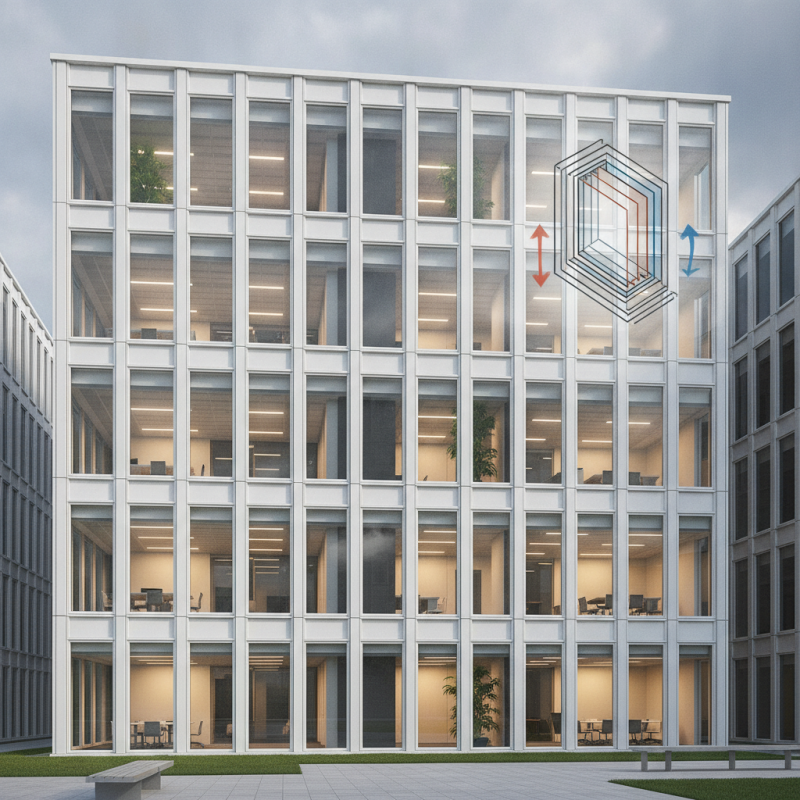
Why Are UPVC Windows the Top Choice for Modern Buildings?

Understanding UPVC: Materials and Properties

UPVC, or Unplasticized Polyvinyl Chloride, is a popular choice for modern window frames. This material is known for its durability and resistance to weather conditions. Unlike traditional wood or metal frames, UPVC does not warp, rust, or corrode over time. This makes it an appealing option for both residential and commercial buildings looking for longevity.

The properties of UPVC contribute significantly to its popularity. It offers excellent thermal insulation, helping to maintain indoor temperatures efficiently. For instance, using UPVC windows can reduce energy bills by minimizing heat loss. This feature is particularly useful in regions with extreme weather. Additionally, UPVC is low-maintenance; it requires only occasional cleaning to retain its appearance. However, it’s important to consider that while UPVC is very durable, it may not have the same aesthetic appeal as natural materials like wood.

Moreover, UPVC windows are often manufactured with eco-friendly processes. However, the long-term environmental impact of plastic materials raises questions. Some argue that while UPVC is better than alternatives in some ways, there should be a focus on more sustainable options. The growing awareness of sustainability influences material choice in construction. Each project should carefully weigh the benefits and drawbacks of UPVC.

Durability and Weather Resistance of UPVC Windows

UPVC windows have become increasingly popular in modern construction due to their remarkable durability and resistance to weather elements. Research shows that UPVC windows can withstand extreme conditions, making them ideal for various climates. They resist wind, rain, and UV rays effectively, allowing them to maintain their appearance over time. A study from the Building Research Establishment found that UPVC can last up to 40 years with minimal deterioration.

Moreover, their thermal efficiency is noteworthy. UPVC windows can enhance energy performance in buildings. The Energy Saving Trust indicates that properly installed UPVC frames can reduce heat loss by up to 60%. This can significantly lower energy bills and contribute to a greener environment. However, regular maintenance checks are still recommended to address wear over time and to ensure their longevity.

Despite these advantages, some concerns exist. UPVC can become discolored with prolonged exposure to harsh sunlight. Additionally, the production process involves certain environmental impacts that warrant further discussion. Balancing the benefits with these considerations is crucial for homeowners and builders alike.

Durability and Weather Resistance of UPVC Windows

Energy Efficiency: Benefits of UPVC in Modern Buildings

UPVC windows have become essential in modern architecture, primarily due to their energy efficiency. They effectively reduce heat transfer, keeping indoor spaces warmer in winter and cooler in summer. The unique multi-chambered design traps air, providing excellent insulation. This feature drastically lowers energy bills, making buildings more sustainable.

Another notable aspect is their low thermal conductivity. UPVC frames do not transfer heat easily, resulting in less energy consumption for heating and cooling systems. This characteristic is vital in today's environmentally conscious society, where energy savings are a priority. However, it's essential to assess the overall installation quality and consider local climate impacts on performance.

While UPVC windows offer many benefits, they are not without drawbacks. Some installations may require regular maintenance if exposed to extreme weather. Additionally, the aesthetics may not appeal to every homeowner, who might prefer traditional materials. Careful consideration is necessary to weigh these factors against the benefits of energy efficiency that UPVC windows provide.

Aesthetic Versatility: Design Options with UPVC Windows

UPVC windows offer an impressive range of design options that cater to modern aesthetics. Their versatility is unmatched. Homeowners can choose from various colors, finishes, and styles, allowing for seamless integration into different architectural designs. According to a report by the Fenestration and Glazing Industry Alliance, UPVC adoption has risen by 30% over the last five years due to its appealing aesthetics and functional benefits.

Not only do UPVC windows look great, but they also provide exceptional thermal insulation. Designs can include double or triple glazing, enhancing energy efficiency. A study from the Energy Saving Trust shows that modern UPVC windows can contribute to reducing energy bills by up to 30%. This is particularly relevant in urban settings where large glass façades are popular. However, some critics argue that not all UPVC styles suit every building type, highlighting the importance of choosing wisely.

Customization is another significant advantage. Many manufacturers offer bespoke sizes and shapes, enabling unique architectural features. This flexibility allows for creativity while maintaining performance standards. However, continuity in design can sometimes be overlooked in the rush for personal expression. Emerging trends indicate a growing focus on sustainable materials, demanding more thoughtful design approaches in future UPVC manufacturing.

Cost-Effectiveness and Maintenance of UPVC Windows

When considering windows for modern buildings, UPVC windows stand out due to their cost-effectiveness and low maintenance. These windows are made from a durable material that resists rot, corrosion, and mildew. Their design minimizes the need for repainting or frequent repairs. This durability translates into long-term savings, making them an appealing choice for homeowners and builders alike.

Maintenance is straightforward with UPVC windows. Regular cleaning with a mild detergent and water keeps them looking fresh. Unlike wooden windows, which can warp and require painting, UPVC windows retain their shape and color over time. This simplicity is attractive for busy homeowners who may not have time for extensive upkeep.

However, the initial installation cost can be a concern for some. While they may seem pricier upfront, the longevity and energy efficiency can offset these costs. It’s crucial for buyers to consider their long-term value. Investing in UPVC windows could lead to significant energy savings down the road, as they provide excellent insulation. Balancing cost and durability is essential for making an informed choice.

FAQS

: What is UPVC?

: UPVC stands for Unplasticized Polyvinyl Chloride. It’s used for window frames.

Why is UPVC popular for window frames?

UPVC is durable and resists weather conditions. It doesn’t warp or corrode over time.

How does UPVC help with energy efficiency?

UPVC windows reduce heat transfer. This helps keep spaces warm in winter and cool in summer.

Is UPVC low-maintenance?

Yes, UPVC requires minimal care, only occasional cleaning to maintain its look.

Does UPVC have environmental concerns?

Yes, while eco-friendly processes are used, the long-term impact of plastic materials is debated.

Are there drawbacks to using UPVC?

Some find UPVC less aesthetically pleasing than wood. Extreme weather may require more maintenance.

How does the installation quality affect UPVC performance?

Poor installation can lead to reduced energy efficiency. Assessing quality is crucial for optimal performance.

Can UPVC windows help reduce energy bills?

Yes, they can significantly lower energy costs by minimizing heat loss.

What should be considered when choosing UPVC?

Balance the energy efficiency benefits with aesthetic preferences and potential maintenance needs.

Is UPVC suitable for extreme weather conditions?

It is durable, but some installations may need extra care in harsh climates.

Conclusion

UPVC windows have become increasingly popular in modern buildings due to their numerous advantageous properties. Understanding the materials and inherent qualities of UPVC reveals why these windows offer exceptional durability and weather resistance, making them suitable for various climates. Additionally, their energy-efficient performance contributes to lower heating and cooling costs, aligning with the contemporary demand for sustainable building practices.

Aesthetic versatility is another key factor; UPVC windows come in numerous styles and finishes, allowing for customizable designs that enhance a building's appearance. Furthermore, the cost-effectiveness of UPVC, combined with low maintenance requirements, makes it an appealing choice for both homeowners and builders. These characteristics collectively answer the question of why are UPVC windows popular in modern buildings, as they fulfill the aesthetic and functional needs of today's architectural landscape.

Madeline

Madeline

Madeline is a dedicated marketing professional with a wealth of expertise in our company's core offerings. With a keen understanding of the industry, she brings a unique perspective to her role, consistently delivering high-quality content that highlights the superior aspects of our products. As......