When considering home improvements, the durability of windows is a crucial factor. Homeowners often ask, "how long do UPVC windows last?" This question reflects a desire for longevity and reliability. UPVC windows are known for their resistance to corrosion and low maintenance needs. However, their lifespan can vary based on several factors.
Installation quality plays a significant role in determining how long UPVC windows last. Properly installed windows can endure extreme weather conditions. Poor installation may lead to issues like drafts or leaks. Additionally, the quality of materials used affects durability. High-grade UPVC can stand the test of time, while lower-quality alternatives may degrade quickly.
Regular maintenance is also vital. While UPVC windows require less upkeep than wood or aluminum, they still benefit from periodic cleaning and checks. Homeowners sometimes overlook this, thinking their windows are indestructible. Understanding these facets helps create realistic expectations. Knowing how long UPVC windows last can guide smart home improvement decisions.
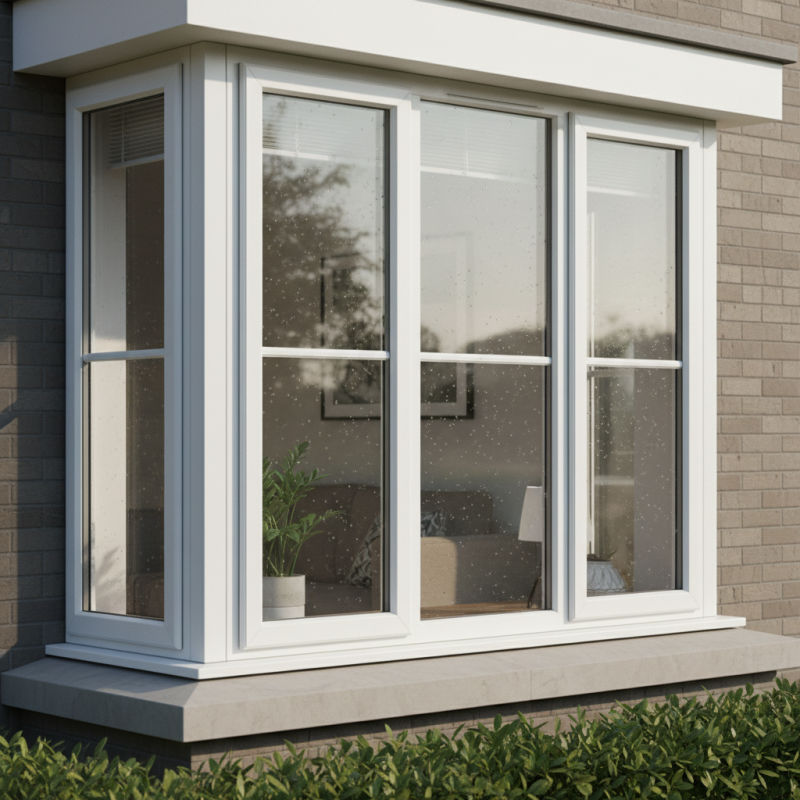
When considering the longevity of UPVC windows, various factors come into play. The quality of materials used is crucial. UPVC that meets high standards can last over 30 years. However, choosing lower-grade materials can shorten this lifespan significantly. Environmental conditions also play a role. Harsh climates with extreme temperatures may affect the durability of these windows.
Installation quality is another critical factor. Properly installed windows seal better and resist issues like rot and water damage. This means they are less likely to need replacement soon. Regular maintenance can enhance their lifespan. Simple cleaning and checking seals can prevent long-term issues. On the other hand, neglecting these aspects may lead to costly repairs or replacements.
Finally, usage patterns matter. Windows in high-traffic areas may experience more wear and tear. Frequent opening and closing can also lead to mechanical issues. Reflecting on these aspects can help homeowners make informed decisions. Investing time into understanding these factors can ensure UPVC windows meet your home's needs for years to come.
UPVC windows are a popular choice for homeowners, known for their durability and low maintenance. On average, they last around 20 to 40 years. This lifespan can be influenced by factors like climate and installation quality. In comparison, wooden windows typically last 15 to 30 years, while aluminum windows may last 30 to 40 years with varying maintenance needs.
The longevity of UPVC windows is appealing, but it's essential to consider their drawbacks. They can be prone to warping in extreme temperatures. This could affect their sealing capabilities and energy efficiency over time. Moreover, while UPVC is cost-effective, it may not perform as well as higher-end materials in extreme conditions. Homeowners should weigh the pros and cons of UPVC versus wood or aluminum based on their specific needs.
Ultimately, the decision should factor in local climate and personal preferences. Choosing the right material impacts not just longevity but overall home aesthetics and functionality. It's worth reflecting on these aspects before making a choice.
| Window Material | Average Lifespan (Years) | Maintenance Required | Energy Efficiency |
|---|---|---|---|
| UPVC | 20-30 | Low | High |
| Aluminum | 30-40 | Medium | Medium |
| Wood | 15-25 | High | Low |
| Fiberglass | 30+ | Low | High |
| Vinyl | 20-30 | Low | High |
UPVC windows can last a long time, but their lifespan depends on proper care. Regular maintenance is crucial for keeping them functional and looking good. Inspecting the frames and seals is necessary. Look for cracks, gaps, or signs of wear. Clean the frames with a mild soap solution and a soft cloth to avoid scratches. This simple step can make a big difference.
Another important aspect is the hardware. Check the hinges, locks, and handles regularly. Use a lubricant to keep these moving parts working smoothly. Tighten any loose screws. Neglecting these details might lead to more significant issues later. Consider a professional inspection every few years. They can spot problems you might miss.
Keep the windows clear of obstructions like dirt and debris. This helps prevent moisture buildup. It’s also wise to avoid using abrasive cleaners. They can scratch the surface and reduce the aesthetic quality. Reflect on your cleaning habits and how they impact the longevity of your windows. Making small adjustments can lead to long-lasting results.
When it comes to UPVC windows, recognizing the signs that it’s time for a replacement is crucial for your home’s comfort and energy efficiency. One major indicator is visible damage. This can include cracks, chips, or fading colors. Such damage not only impacts aesthetic appeal but also energy performance. If you notice condensation between window panes, that’s another strong sign. It indicates a failure of the seal, affecting insulation.
Decaying or warped frames can lead to drafts. Notice if your windows stick when opening or closing. This can indicate an underlying issue with alignment. In some cases, repairs might suffice. However, persistent issues often mean it’s time to invest in new windows.
Tips for choosing replacements: consider energy ratings. Higher ratings ensure better insulation. Look for colors and designs that match your home. Remember that aesthetics matter as much as functionality. Regularly inspect your windows for early signs of wear. Early action can save you future expenses and ensure your home remains safe and sturdy.
UPVC windows are known for their durability and energy efficiency. Industry standards often indicate a lifespan of 20 to 35 years. However, this can vary based on factors like installation quality and environmental conditions. As reported by the British Plastics Federation, properly maintained UPVC windows can exceed 35 years.
When it comes to warranties, most manufacturers offer a 10 to 20-year warranty on UPVC windows. This warranty typically covers defects in materials and workmanship. It’s essential to read the fine print. Some warranties may require regular maintenance to remain valid. A study from the National Fenestration Rating Council highlights that inadequate care can lead to premature failure, underscoring the importance of understanding warranty conditions.
Despite their long lifespan, UPVC windows might show signs of wear over time. Discoloration or degradation can occur, particularly in harsh climates. Homeowners should actively monitor and address these issues. This attention to detail can enhance the window's longevity and overall home value.
: UPVC windows typically last around 20 to 40 years depending on climate and installation quality.
Wooden windows last 15 to 30 years, while aluminum windows may last 30 to 40 years, needing different maintenance.
UPVC windows can warp in extreme temperatures, affecting sealing and energy efficiency over time.
Look for visible damage, condensation between panes, or if windows stick when opening. These are strong indicators.
Check energy ratings for better insulation and choose colors and designs that match your home’s aesthetic.
Most manufacturers offer 10 to 20-year warranties covering defects, but regular maintenance may be required for validity.
Yes, discoloration or degradation can occur, especially in harsh climates. Monitoring is essential for longevity.
Regular inspections can help catch early signs of wear and ensure windows remain functional and appealing.
Some warranties require regular upkeep to stay valid, and improper care can lead to early failure of the windows.
Extreme weather conditions may lead to faster deterioration, so consider local climate when choosing window materials.
When considering "how long do UPVC windows last," it's essential to understand various factors that influence their longevity. The average lifespan of UPVC windows can range from 20 to 40 years, depending on factors such as exposure to harsh weather, installation quality, and overall maintenance. Comparatively, UPVC windows typically outlast wooden frames despite their varying durability across different materials.
To maximize the lifespan of UPVC windows, proper maintenance is crucial. Regular cleaning and checking for any signs of wear can help in identifying when replacements might be needed. Key indicators for replacement include difficulty in operation, drafts, or visible damage. Additionally, understanding industry standards and warranty information can offer insight into the expected lifespan. By being proactive, homeowners can ensure their UPVC windows serve their needs efficiently for many years.

Nova Panel