Are UPVC Windows Energy Efficient for Your Home Needs?

Time:2026-06-06 Author:Sophia
0%

When considering energy efficiency in home improvement, a crucial question arises: are UPVC windows energy efficient? Many homeowners seek solutions to lower energy bills and improve comfort. UPVC windows are popular for their durability and insulation properties. However, their effectiveness varies based on installation and quality.

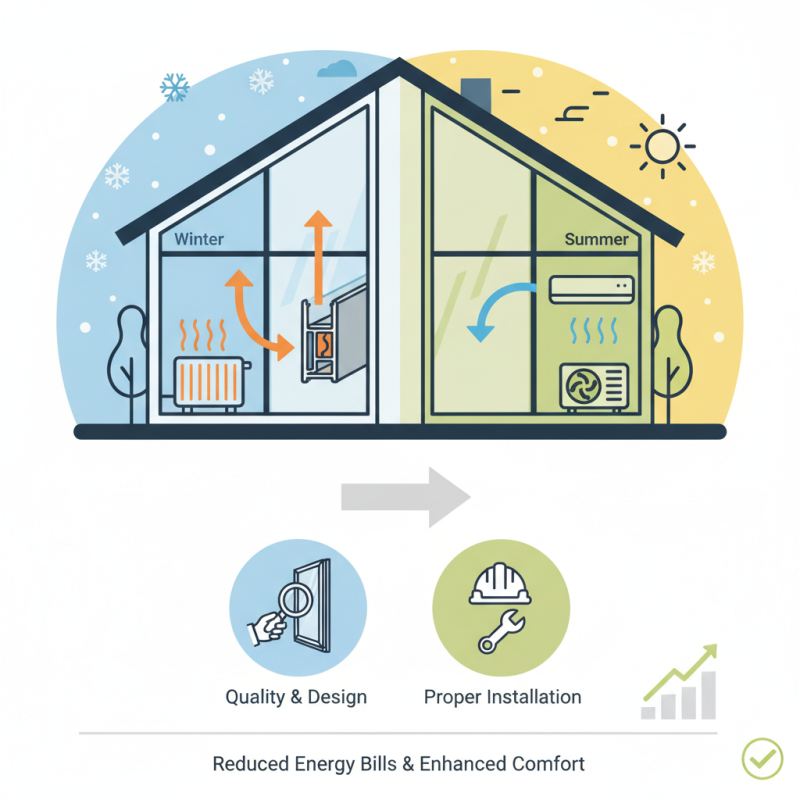
Research shows that UPVC windows offer significant insulation benefits. They can reduce heat loss, keeping homes warmer in winter and cooler in summer. Yet, not all UPVC windows are created equal. Quality, design, and installation play important roles in their performance. A poor installation can diminish their energy efficiency significantly.

While UPVC windows present advantages, it is essential to weigh options carefully. Inspect the specifications and certifications of these windows. Consulting professionals can provide insights tailored to specific needs. This approach ensures you make a well-informed choice that enhances your home’s energy efficiency.
Are UPVC Windows Energy Efficient for Your Home Needs?

Types of UPVC Windows and Their Energy Efficiency Ratings

UPVC windows are known for their energy efficiency. They often have multi-chambered frames that minimize heat transfer. According to a report by the British Fenestration Rating Council, UPVC windows can achieve energy ratings of A++ to E. The higher the rating, the better the insulation. Many homeowners overlook these ratings when considering window options.

Different types of UPVC windows provide varying levels of energy efficiency. Casement windows are highly efficient, often rated A or higher. Sliding sash windows may not provide the same level of insulation. Their design can lead to air leakage if not properly installed. A study by the Energy Saving Trust indicates that UPVC windows can save homeowners about £130 annually on energy bills.

Buying UPVC windows is an investment. However, not all UPVC products deliver the same performance. Some may fail to meet efficiency claims. Homeowners should always check the specifications and consider third-party certifications. This helps ensure they are making a reliable choice for energy efficiency.

Energy Efficiency Ratings of Different Types of UPVC Windows

Benefits of UPVC Windows for Home Insulation and Energy Savings

UPVC windows have become a popular choice for homeowners looking to enhance energy efficiency. One major benefit is their exceptional insulation properties. UPVC frames trap air and reduce heat loss. This can significantly lower heating costs. Many homeowners report feeling cozier in winter after switching to UPVC windows.


Another advantage of UPVC windows is their durability. They resist corrosion and do not warp or fade. This means less maintenance over time, which is beneficial for busy families. However, some may wonder if they are missing out on the aesthetic appeal found in traditional materials. It’s important to consider both energy savings and design preferences. Homeowners should assess their specific insulation needs while weighing the long-term benefits.


Energy savings can be substantial, but some may find initial costs daunting. Installing UPVC windows can require an upfront investment. However, the return in the form of reduced energy bills is often worth it. Ensure you choose high-quality options for the best results, but be aware that not all UPVC windows are created equal. Research and expert advice can guide you in making an informed decision.

Key Factors Influencing the Energy Efficiency of UPVC Windows

When considering UPVC windows for energy efficiency, understanding several key factors is crucial. One significant element is the window's frame construction. UPVC frames are known for their excellent thermal insulation properties, which help in reducing heat loss. The multi-chambered design traps air, acting as a barrier against temperature fluctuations. However, not all UPVC windows are created equal. The quality of the materials used can vary, affecting long-term performance.

Another important aspect is the glazing type. Double or triple glazing can enhance insulation significantly by reducing heat transfer. High-performance coatings on glass can further improve energy savings. While these features increase costs upfront, the long-term energy savings might offset the initial investment. It's essential to weigh these benefits against your budget and specific home needs.

Proper installation plays a vital role in energy efficiency. Poorly installed windows can lead to drafts and reduced performance. Therefore, hiring qualified professionals is often necessary. Homeowners should also consider local climate conditions when selecting windows. In warmer climates, heat resistance is a priority, while colder areas benefit from enhanced insulation. Balancing these factors will ensure UPVC windows meet your energy efficiency demands effectively.

Comparative Analysis of UPVC Windows and Traditional Window Types

When considering window options, UPVC windows stand out in energy efficiency compared to traditional materials like wood and aluminum. A report from the Glass and Glazing Federation indicates that UPVC frames can reduce heating bills by up to 25%. This is largely due to their superior insulation properties, which help maintain consistent indoor temperatures.

Traditional windows often struggle with energy efficiency. For instance, wooden windows have a U-value of 2.0 W/m²K, while UPVC windows often score as low as 1.2 W/m²K. This means UPVC is up to 40% better at keeping heat inside your home. However, the initial cost of UPVC can be higher, which might deter some homeowners despite long-term savings.

**Tip:** When selecting windows, consider the long-term energy savings rather than just upfront costs. Look for windows with double or triple glazing to maximize efficiency.

In practice, some UPVC windows can experience condensation issues. Regular maintenance is necessary. Homeowners should also be aware that not all UPVC is created equal. Variations in material quality can affect both durability and insulation performance.

**Tip:** Always obtain energy performance certificates to gauge the efficiency of UPVC windows. This can help ensure you’re investing wisely.

Are UPVC Windows Energy Efficient for Your Home Needs? - Comparative Analysis of UPVC Windows and Traditional Window Types

Window Type Energy Efficiency Rating Average Lifespan (Years) Maintenance Required Cost Range ($)
UPVC Windows A+ 30-40 Low 300 - 600
Wooden Windows B 20-30 Moderate 500 - 1000
Aluminum Windows C 30-40 High 400 - 800
Fiberglass Windows A 25-50 Low 500 - 1200

Maintenance Tips for Maximizing Energy Efficiency of UPVC Windows

Maintaining your UPVC windows is essential for maximizing their energy efficiency. Regular cleaning is crucial. Dirt and grime can block sunlight and reduce thermal performance. Use a gentle soap solution to clean the frames and glass. A soft cloth is ideal for avoiding scratches.

Check the seals around your windows. Damaged or worn seals can lead to air leaks, which decrease energy efficiency. Replace any broken seals promptly. Ensure the window hinges and locks are lubricated to prevent stiffness. This ensures the windows close tightly, enhancing their insulating properties.

Consider shading your UPVC windows with blinds or curtains. This creates a barrier against unwanted heat in the summer. Conversely, use thermal curtains in winter to retain warmth. While these solutions do require attention, the payoff is significant. Energy bills could decrease noticeably. Regular maintenance truly reflects care for both your home and your environment.

FAQS

: What are the main benefits of UPVC windows?

: UPVC windows offer excellent insulation, reducing heat loss and lowering heating costs. Homeowners feel cozier in winter.

How do UPVC windows compare to traditional materials?

UPVC windows are more energy-efficient. They have a U-value as low as 1.2 W/m²K compared to wood's 2.0 W/m²K.

Are UPVC windows durable?

Yes, UPVC windows resist corrosion and do not warp or fade. This reduces maintenance over time for busy families.

Do UPVC windows require a significant investment?

Initially, they can be costly. However, the long-term energy savings often justify the upfront costs for homeowners.

How can I maintain my UPVC windows?

Regular cleaning is essential. Use a gentle soap solution and a soft cloth. Check seals and lubricate hinges regularly.

What should I consider when choosing UPVC windows?

Assess your insulation needs and aesthetic preferences. Not all UPVC windows are equal, so research is important.

Can UPVC windows have condensation issues?

Yes, some UPVC windows may experience condensation. Regular maintenance can help reduce these potential issues.

Are there ways to enhance energy efficiency further?

Yes, use blinds for summer and thermal curtains in winter. These can help control heat and maintain indoor temperatures.

Conclusion

When considering whether are UPVC windows energy efficient for your home, it's essential to explore the various types of UPVC windows and their respective energy efficiency ratings. These windows provide significant benefits for home insulation and can lead to substantial energy savings over time. Key factors influencing their energy efficiency include the design, glazing options, and installation quality, all of which play a crucial role in enhancing performance.

A comparative analysis reveals that UPVC windows often outperform traditional window types in terms of insulation and energy efficiency. To maximize their benefits, homeowners should adhere to maintenance tips that ensure these windows continue to perform at their best. Ultimately, choosing the right UPVC windows can provide an effective solution for improving energy efficiency in homes.

Sophia

Sophia

Sophia is a dedicated marketing professional with an exceptional depth of knowledge about her company's products and services. With a keen understanding of market trends and customer needs, she crafts insightful blog posts that not only inform but also engage readers, enriching the company’s online......