Top 10 Ways Windows Affect Indoor Comfort?

Time:2026-09-17 Author:Charlotte
0%

Windows seem simple, but they quietly control how a room feels throughout the day. They shape daylight, surface temperature, ventilation, noise, glare, and energy use. So, how do windows affect indoor comfort? The answer involves more than indoor temperature. A cold pane can create a chilly downdraft beside a sofa. Direct afternoon sun can turn a calm workspace into an uncomfortable hotspot. Opening a window may refresh stale air, yet it can also introduce traffic noise, pollen, or humid air.

The U.S. Department of Energy reports that windows can account for approximately 25%–30% of residential heating and cooling energy use. That figure shows their influence on comfort and operating costs. ENERGY STAR and the National Fenestration Rating Council identify U-factor, solar heat gain coefficient, visible transmittance, and air leakage as essential performance measures. These ratings help professionals compare products using measurable evidence. ASHRAE Standard 55 also provides recognized methods for evaluating thermal comfort, including air temperature, radiant temperature, humidity, air speed, clothing, and activity.

This article examines ten practical ways windows affect indoor comfort. It connects technical ratings with everyday experiences, such as condensation on a bedroom corner or glare across a computer screen. Site conditions matter. A south-facing window behaves differently from a shaded north-facing window. Occupants also respond differently to the same room. That part is easy to overlook. Data supports better decisions, but it cannot capture every personal preference or seasonal change. Careful assessment remains necessary, especially when choosing glazing, shading, frames, ventilation strategies, or replacement windows for a specific building.
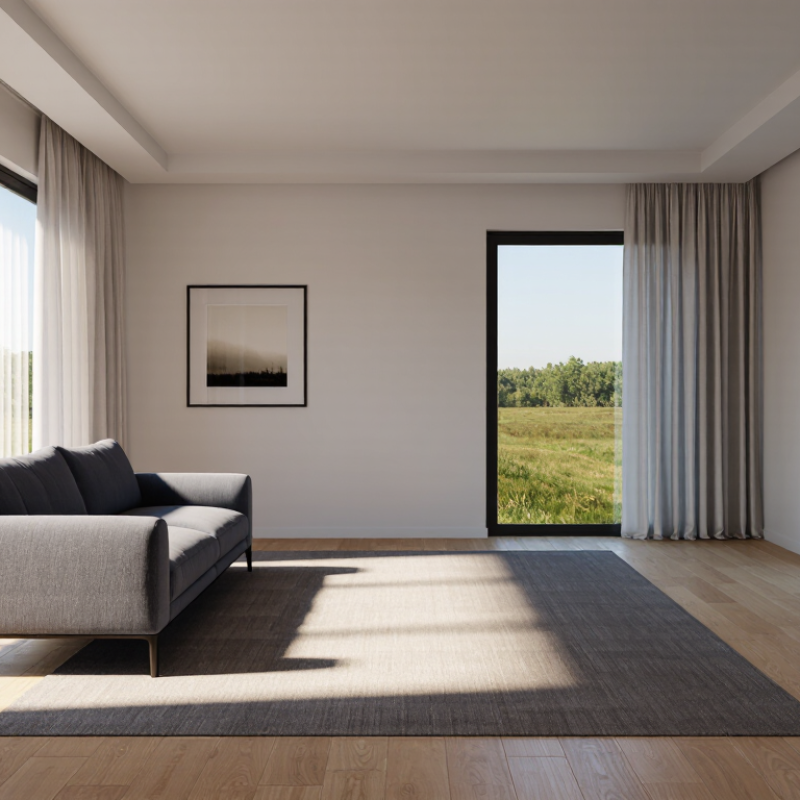
Top 10 Ways Windows Affect Indoor Comfort?

Window Design and Its Role in Indoor Comfort

Top 10 Ways Windows Affect Indoor Comfort

Window Design and Its Role in Indoor Comfort

Window design shapes temperature, daylight, airflow, noise, and indoor air quality. Glass area matters, but orientation matters more. South-facing windows can collect useful winter sunlight, while unshaded west-facing glass may create sharp afternoon glare. The U.S. Department of Energy reports that windows can cause 25–30% of residential heating and cooling energy use. Low-emissivity glazing, insulated frames, and tight installation reduce unwanted heat transfer. Small gaps matter.

Comfort also depends on movement. Operable windows can provide fresh air and nighttime cooling when outdoor conditions are suitable. However, they may admit pollen, humidity, traffic noise, or polluted air. The U.S. Environmental Protection Agency reports that indoor pollutant levels are often two to five times higher than outdoors. Poor ventilation can worsen this problem. Yet opening every window is not always the answer.

ASHRAE Standard 55 uses occupant satisfaction as a central comfort measure, commonly targeting at least 80% acceptability. Window placement should therefore support different preferences. One person may want sunlight, while another needs shade and a cooler desk. External blinds often control solar gain better than internal curtains. Still, perfect control is unrealistic. Field assessments sometimes reveal overlooked details, such as cold air near the sill or glare on a laptop screen. These small failures can weaken an otherwise efficient design.

Natural Light, Glare, and Visual Well-Being

Top 10 Ways Windows Affect Indoor Comfort

Natural Light, Glare, and Visual Well-Being

Windows can make a room feel larger, calmer, and more connected to the outdoors. A 2014 study in the Journal of Clinical Sleep Medicine found that workers near windows received 173% more white light and slept 46 minutes longer each night. The result is useful, but not universal. Window size, orientation, season, and occupant age all change the experience.

Daylight can also create sharp visual discomfort. A bright sky beside a dark monitor forces the eyes to adapt repeatedly. The IES Lighting Handbook recommends controlling luminance contrasts, not simply increasing light levels. Exterior shading, adjustable blinds, and light-filtering glass can soften glare while preserving useful daylight. In my site observations, a small blind adjustment often helps more than adding another ceiling fixture.

The World Green Building Council’s Health, Wellbeing and Productivity in Offices report links better daylight and views with potential productivity gains of 3–18%. That figure should be treated carefully, since workplace layout and management also influence performance. CIE S 026/E:2018 further supports measuring light by its visual and non-visual effects, rather than relying on lux alone. A window can be beautiful. It can also become a glowing rectangle at 3 p.m. Design should leave room for that imperfect reality.

Thermal Gains, Heat Loss, and Temperature Balance

Windows influence comfort through solar heat gain, conductive loss, air leakage, and radiant temperature. The U.S. Department of Energy reports that windows can cause 25–30% of residential heating and cooling energy use. That figure explains why a bright room may still feel cold.

Solar exposure is powerful. South- and west-facing glass can raise afternoon temperatures, especially beside dark flooring or furniture. Exterior shading reduces heat before sunlight enters. Low-emissivity glazing also limits radiant heat transfer. During winter, however, an uninsulated frame can feel cold against your hand. The room thermostat may read 21°C, while occupants sense discomfort near the glass. Small gaps create drafts, disturb temperature balance, and increase heating demand. Condensation adds another warning sign. It may indicate cold interior surfaces, high humidity, or weak ventilation.

Field assessments should measure more than air temperature. ASHRAE Standard 55 evaluates thermal comfort through air speed, humidity, radiant temperature, clothing, and activity. This broader approach matters because moving air can feel chilly even when the thermometer looks normal. In my experience, occupants often blame the heating system first. That judgment is not always right. Window orientation, shade position, frame condition, and furniture placement can change comfort within minutes. Yet performance estimates remain imperfect. Occupancy patterns and local weather can distort laboratory expectations. A practical review should combine energy records, surface-temperature checks, and occupant feedback before recommending replacement.

Ventilation, Airflow, and Indoor Air Quality

Top 10 Ways Windows Affect Indoor Comfort

Ventilation, airflow, and indoor air quality depend heavily on window use. Open windows can dilute carbon dioxide, cooking odors, and airborne pollutants. The U.S. Environmental Protection Agency reports that indoor pollutant levels may be two to five times higher than outdoors, and sometimes much higher. Fresh air matters.

Windows also shape cross-ventilation, air speed, humidity, drafts, temperature balance, condensation, mold risk, outdoor noise, and energy loss. A small opening on opposite walls can create a stronger airflow path than one wide opening. However, airflow is not always clean. Outdoor traffic pollution, pollen, and wildfire smoke can enter. The World Health Organization links damp indoor conditions with respiratory problems, while ASHRAE comfort guidance treats air movement and temperature as connected factors. A cool breeze may feel refreshing, but it can disturb someone sitting nearby.

Tips: Open windows briefly when outdoor air quality is good. Use cross-ventilation instead of leaving one window slightly open all day. Check a local air-quality report first. Keep bathroom and kitchen moisture moving outside. Watch for water on glass frames; it signals excessive indoor humidity. A basic carbon dioxide monitor can reveal stale air, although it cannot measure every pollutant. My own practical mistake was judging ventilation by smell alone. Odor disappeared, but humidity remained. Condensation told the fuller story.

Top 10 Ways Windows Affect Indoor Comfort? - Ventilation, Airflow, and Indoor Air Quality

No. Window-Related Factor Effect on Indoor Comfort Useful Indoor Indicator Practical Target or Reference Value Recommended Approach
1 Natural Ventilation Operable windows can replace stale indoor air with outdoor air and reduce odors, moisture, and indoor pollutants. Indoor carbon dioxide concentration A sustained level near or above 1,000 ppm commonly indicates that ventilation should be reviewed; outdoor air is typically around 400 ppm, varying by location and time. Open windows when outdoor air quality, temperature, humidity, and security conditions are suitable.
2 Cross-Ventilation Windows on opposite or adjacent sides can create stronger airflow and remove heat more quickly than a single open window. Air movement and air-change effectiveness Air speed around 0.1–0.2 m/s is often comfortable in still conditions; higher air speed may be useful during warm weather but can feel drafty. Use openings on different sides of the space where possible, while avoiding uncomfortable drafts.
3 Solar Heat Gain Sunlight through glazing can raise indoor temperatures, particularly on south-, east-, and west-facing façades in sunny conditions. Indoor operative temperature Many occupants find approximately 20–24°C comfortable in typical light indoor clothing, although comfort depends on season, activity, and humidity. Use external shading, interior blinds, curtains, or timed window operation during peak solar exposure.
4 Night Purging Opening windows during cooler nighttime hours can remove heat stored in walls, floors, and furniture. Indoor temperature compared with outdoor temperature Night ventilation is most useful when outdoor air is meaningfully cooler than indoor air and outdoor pollution is acceptable. Ventilate after outdoor temperatures fall, then close windows before outdoor heat returns.
5 Humidity Control Window ventilation can remove excess moisture from cooking, bathing, and occupancy, reducing condensation and musty odors. Relative humidity A commonly used comfort range is approximately 30–60% relative humidity; prolonged high humidity increases condensation and mold risk. Use short, effective ventilation periods after moisture-generating activities and keep wet areas properly exhausted.
6 Particulate Infiltration Open windows can introduce outdoor fine particles from traffic, smoke, dust, construction, or seasonal pollution. Indoor PM2.5 concentration The World Health Organization 2021 guideline for PM2.5 is 15 µg/m³ for a 24-hour mean and 5 µg/m³ for an annual mean. Keep windows closed during smoke or pollution episodes and ventilate when outdoor particle levels are lower.
7 Outdoor Ozone and Gases Outdoor air can carry ozone, nitrogen dioxide, and other pollutants that may irritate the eyes and respiratory system. Local outdoor air-quality index or pollutant readings There is no single safe window-opening schedule for every location; conditions should be checked using current local air-quality information. Ventilate during cleaner periods and reduce window opening during local pollution alerts.
8 Drafts and Local Discomfort High air speed near an open window can cause localized cooling, especially for people sitting or working nearby. Air speed at occupant level Draft discomfort depends on air speed, temperature, turbulence, clothing, and activity; lower air speed is generally preferable in cool conditions. Use trickle openings, top-hung windows, or adjust the opening direction to distribute airflow more gently.
9 Noise and Privacy Opening windows improves ventilation but may increase traffic noise, neighborhood sounds, and reduced acoustic privacy. Indoor equivalent continuous sound level Noise comfort is context-dependent; lower indoor sound levels generally support concentration, communication, and sleep. Use quieter opening periods, background ventilation, acoustic measures, or mechanical ventilation when noise is disruptive.
10 Condensation and Window Surface Temperature Poor ventilation, high indoor humidity, and cold glazing can cause water droplets, frame damage, and mold-supporting conditions. Indoor relative humidity and visible condensation Persistent condensation should be treated as a warning sign; maintain moderate humidity and improve airflow around cold surfaces. Ventilate moisture-producing rooms, keep blinds from blocking warm air circulation, and address drafts or cold bridging.

Reference note: Comfort ranges are practical general guidance rather than guarantees. Actual comfort depends on season, clothing, activity, building design, outdoor conditions, and individual sensitivity.

Noise Control, Privacy, and Overall Living Comfort

Top 10 Ways Windows Affect Indoor Comfort: Noise Control, Privacy, and Overall Living Comfort

Windows shape comfort far beyond daylight and views. During a home inspection, I often notice traffic noise entering through loose frames, thin glass, and poorly sealed joints. The World Health Organization’s Environmental Noise Guidelines recommend bedroom noise below 30 dB(A) at night for good sleep. That target is difficult beside busy roads, but laminated glass, tighter seals, and well-fitted blinds can reduce disturbance. Silence matters.

Privacy also changes how people use a room. Clear glass beside a sidewalk may make residents close curtains all day, losing daylight and connection with the outdoors. Obscure glazing, adjustable shades, and carefully selected sightlines offer better control. However, privacy is not only a glass choice. Reflections, nighttime lighting, and neighboring buildings can still expose movement indoors. I have found that a window appearing private at noon may feel completely different after sunset.

Comfort includes temperature stability. The U.S. Department of Energy reports that windows can account for 25–30% of residential heating and cooling energy use. Low-emissivity glazing, insulated frames, and external shading can reduce hot surfaces near the sofa or cold drafts beside the bed. Ratings such as U-factor and solar heat gain coefficient help compare performance, but they do not replace site experience. A technically efficient window may still disappoint if its sound control or privacy does not fit daily life.

Top 10 Ways Windows Affect Indoor Comfort

Relative comfort-impact index based on common building-science considerations. Higher values indicate a stronger potential effect on everyday indoor comfort.

Well-designed windows can reduce outdoor noise, improve privacy, stabilize indoor temperatures, limit drafts, manage sunlight and glare, reduce condensation risk, support healthy ventilation, and improve daylight quality. Actual results vary with glazing, frames, installation quality, climate, orientation, shading, and room layout.

Reference framework: U.S. Department of Energy window-performance guidance, ENERGY STAR residential window criteria, NFRC ratings, and ASHRAE thermal-comfort principles.

FAQS

How do windows affect indoor temperature?

Windows influence heat gain, heat loss, sunlight, and indoor temperature stability. South-facing glass can capture useful winter sunlight. West-facing glass may create harsh afternoon heat and glare. Low-emissivity glass, insulated frames, and tight seals reduce unwanted heat transfer. Small gaps matter.

Can window orientation change comfort?

Yes. Orientation affects sunlight, glare, and overheating throughout the day. External shading usually controls solar heat better than indoor curtains. A shaded west-facing window may protect a desk from bright afternoon light. Perfect control is unrealistic.

How can windows improve indoor air quality?

Open windows can reduce carbon dioxide, cooking odors, and stale air. Open them briefly when outdoor air quality is good. Cross-ventilation often works better than one small opening. Check local air conditions before opening windows.

Is opening every window always helpful?

No. Outdoor air may contain pollen, traffic pollution, humidity, or smoke. Open windows can also bring in noise and uncomfortable drafts. Fresh air matters, but timing matters too. My judgment can be wrong.

What is cross-ventilation?

Cross-ventilation moves air between openings on different sides of a room. A small opening on opposite walls can create a strong airflow path. One wide opening may provide weaker circulation. A nearby curtain can reveal the airflow direction.

How do windows affect humidity and condensation?

Poor ventilation can leave moisture indoors after cooking, bathing, or drying clothes. Water on a glass frame signals excessive indoor humidity. Persistent moisture can increase mold risk. Odors may disappear while humidity remains. I once trusted smell alone.

How can windows reduce outdoor noise?

Tight frames, sealed joints, thicker glass, and suitable blinds can reduce traffic noise. Loose frames may let sound enter through narrow gaps. Bedroom noise is especially important at night. Silence is difficult beside busy roads.

How do windows affect privacy and daylight?

Clear glass near a sidewalk may make people close curtains all day. Obscure glass, adjustable shades, and careful window placement improve privacy. Night lighting can expose movement indoors, even when daytime privacy seems adequate. Sunset changes everything.

Conclusion

Windows play a major role in shaping indoor comfort by influencing daylight, temperature, airflow, sound, and privacy. Understanding how do windows affect indoor comfort helps explain why thoughtful window design matters in homes and workplaces. Window size, placement, glazing, shading, and opening styles can determine how much natural light enters a room while reducing glare that may cause eye strain or visual discomfort.

Windows also affect thermal balance by admitting useful solar warmth in colder conditions while limiting unwanted heat gain during warmer periods. Properly positioned and operable windows can encourage natural ventilation, improve airflow, and support healthier indoor air quality. In addition, suitable window construction can reduce outdoor noise and create a quieter, more private living environment. When these factors are considered together, windows become more than architectural features; they help create spaces that feel brighter, quieter, fresher, and comfortable throughout the day.

Charlotte

Charlotte

Charlotte is a seasoned marketing professional with a deep understanding of the company's portfolio and a passion for elevating its presence in the market. With a keen eye for detail and a commitment to excellence, she ensures that our professional blog is regularly updated with insightful articles......