Thermal insulation in windows is often overlooked, yet it plays a crucial role in energy efficiency and comfort. Dr. Emily Carter, an expert in building science, emphasizes, "Effective thermal insulation can significantly reduce energy loss in homes." This statement highlights the importance of understanding why is thermal insulation important in windows.
Windows are a key area where heat can escape or enter. Poor insulation leads to higher energy bills and uncomfortable living spaces. When winter chills or summer heat infiltrate through windows, comfort diminishes. On the market, options range from double-glazed to low-emissivity glass, each with varying levels of insulation effectiveness. Choosing the right type is essential.
Moreover, the environmental impact cannot be ignored. Enhanced insulation reduces the demand for heating and cooling, ultimately lowering carbon footprints. This challenge demands careful selection and consideration of materials. Many still underestimate their windows’ potential for insulation. Reflecting on this can lead to better choices for both comfort and sustainability.
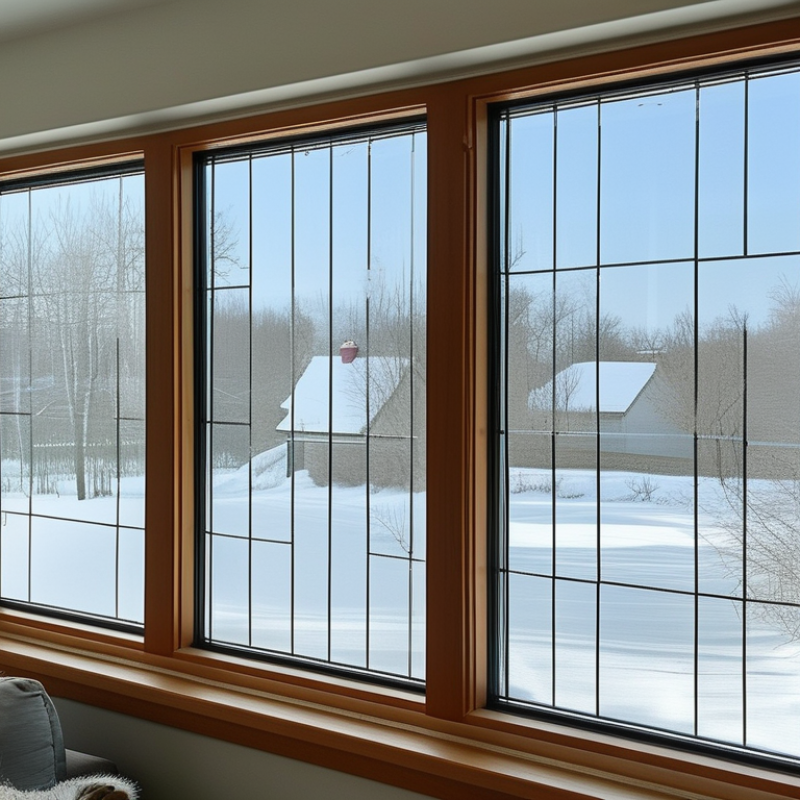
Thermal insulation plays a crucial role in window design. It significantly affects energy efficiency and indoor comfort. High-quality insulation can keep your living space warm in winter and cool in summer. This balance is essential for reducing energy costs and consumption.
Windows that lack proper insulation can be a source of drafts and heat loss. Inadequate insulation may seem like a minor issue, but it can lead to significant energy waste over time. Homeowners might find themselves paying higher utility bills because heat escapes through poorly insulated windows.
Moreover, thermal insulation in windows enhances acoustic comfort. A well-insulated window minimizes noise pollution from the outside. This is particularly important in urban areas, where external sounds can disrupt daily life. However, achieving perfect insulation is not always straightforward. It requires careful selection of materials and design strategies. Errors in installation can undermine even the best materials. Therefore, it’s essential to prioritize both quality and proper application in window insulation.
This chart illustrates the top 10 reasons why thermal insulation is crucial in window design, with scores representing their importance on a scale from 1 to 10. Energy efficiency ranks highest, emphasizing the significant impact of proper insulation on overall energy consumption.
Thermal insulation in windows plays a crucial role in enhancing energy efficiency. According to the U.S. Department of Energy, windows can account for 25-30% of residential heating and cooling energy use. By improving thermal insulation, homeowners can significantly reduce energy costs. Quality insulation materials minimize heat transfer, keeping interiors warm in winter and cool in summer. Studies indicate that energy-efficient windows can save an average of $126 to $465 annually, depending on the climate.
Choosing the right window structure matters too. Double or triple glazing provides better insulation than single-pane options. It's important to consider the space between the panes as well. Argon gas fills enhance insulation against heat loss. Some research highlights that low-E coatings can also improve energy efficiency by reflecting heat while letting natural light in.
Exploring finances is essential. A higher upfront investment for energy-efficient windows can lead to substantial savings in the long run. Be cautious, though. Not all insulating materials perform equally in various climates. Assess your local environment before making a choice. While upgrading windows, it’s wise to also evaluate other areas of energy loss, like doors and roofs.
Thermal insulation plays a crucial role in enhancing indoor comfort levels. Good insulation reduces heat loss during winter and keeps interiors cool in summer. This temperature stability leads to a more pleasant living environment. Homeowners often overlook these factors until they experience fluctuating temperatures in their spaces.
Moreover, effective thermal insulation helps maintain consistent humidity levels. This contributes to better air quality and overall comfort. You can avoid problems like excess moisture or dry air. These situations can lead to health issues or discomfort without the right insulation. It's important to recognize that sometimes the materials used may not meet ideal standards, leading to potential gaps in performance.
Investing in quality insulation can drastically improve energy efficiency. When windows are insulated well, energy bills typically decrease. However, it’s vital to assess existing installations. Many might be unaware of the importance of regular inspections. Even small imperfections can lead to significant energy loss, impacting both comfort and budget.
Investing in thermally insulated windows can lead to substantial cost savings. According to a 2021 report by the U.S. Department of Energy, homes with proper insulation can save up to 30% on heating and cooling costs. This translates to an average annual savings of $500 for homeowners. When considering the rising energy prices, this investment not only cuts monthly bills but also enhances comfort.
Thermally insulated windows are designed to reduce heat transfer. They feature materials that minimize the flow of heat. Studies have shown that well-insulated windows can improve energy efficiency significantly. In cold climates, they can keep homes warmer, while in hot climates, they help maintain cooler indoor temperatures. The initial cost is balanced by the long-term benefits.
Moreover, many utility companies offer rebates for energy-efficient upgrades. Homeowners may find additional financial incentives by participating in these programs. However, selecting the right window type can be challenging. Some homeowners experience regret over decisions made without adequate research. Thoroughly evaluating options is crucial for maximizing benefits and ensuring satisfaction.
| Reason | Description | Cost Benefit |
|---|---|---|
| Energy Efficiency | Reduces heating and cooling costs by minimizing heat loss. | Up to 25% savings on energy bills. |
| Comfort | Maintains a stable indoor temperature all year round. | Improved quality of life and comfort. |
| Noise Reduction | Dampens outside noise for a quieter home environment. | Increased property value due to enhanced livability. |
| Condensation Control | Decreases condensation on windows, preventing mold growth. | Lower costs for maintenance and health hazards. |
| Environmental Impact | Reduces carbon footprint through lower energy consumption. | Potential tax credits for energy-efficient upgrades. |
| Aesthetic Value | Improves the appearance of windows, enhancing exterior design. | Higher resale value due to visual appeal. |
| Durability | Thermally insulated windows tend to last longer. | Reduced replacement costs over time. |
| Regulatory Compliance | Meets or exceeds modern building codes for energy efficiency. | Avoids penalties and ensures compliance with regulations. |
| Investment Value | Adds to the overall value of the property. | Better ROI upon resale. |
| Safety | Stronger windows provide increased security against breakage. | Lower insurance premiums due to enhanced safety. |
Thermal insulation in windows plays a critical role in enhancing a home's environmental footprint. By reducing heat loss in winter and keeping homes cool in summer, insulated windows significantly lower energy consumption. This reduction directly impacts a household's carbon emissions. In fact, homes with proper insulation can decrease their reliance on heating and cooling systems, leading to more sustainable energy use.
When selecting thermal insulation materials, consider their R-value. A higher R-value indicates superior insulating properties. Many homeowners might overlook this detail, resulting in inefficient energy use. Ensuring your windows are properly insulated can maintain comfortable indoor temperatures year-round.
Choosing the right curtains and shades also contributes to insulation. Light-colored, heavy drapes can reflect sunlight in summer while retaining warmth in winter. Remember, simplicity often yields the best solutions. Even slight adjustments can enhance thermal performance. Consider conducting an energy audit to identify areas for improvement. Taking these steps can significantly elevate your home's energy efficiency.
: Thermal insulation reduces heat loss in winter and keeps spaces cool in summer. This stability enhances living comfort.
Effective insulation maintains consistent humidity. This improves air quality and prevents discomfort from excess moisture or dry air.
Quality insulation improves energy efficiency, leading to lower energy bills. Small imperfections can cause significant energy loss.
Proper insulation can save up to 30% on heating and cooling costs. This can average $500 in annual savings.
They reduce energy consumption, lowering carbon emissions. This makes homes more sustainable and less reliant on heating and cooling.
R-value is crucial; a higher R-value indicates better insulation. Many overlook this detail, leading to inefficiencies.
Heavy, light-colored drapes reflect sunlight and retain warmth, enhancing insulation. Simple adjustments can improve thermal performance.
Regular inspections identify small issues that can lead to significant energy loss. Homeowners often neglect this essential maintenance.
Choosing the wrong type without proper research can lead to regret. It’s important to evaluate all options thoroughly.
Conducting an energy audit helps pinpoint inefficiencies. This proactive step can enhance overall energy efficiency significantly.
Thermal insulation in windows is crucial for several compelling reasons. Firstly, it plays a significant role in window design, impacting not only aesthetics but also functionality. By incorporating effective thermal insulation, homes can achieve enhanced energy efficiency, reducing heating and cooling costs while minimizing energy consumption. This leads to substantial cost savings over time and illustrates why is thermal insulation important in windows.
Moreover, thermal insulation directly affects indoor comfort levels, ensuring a consistent temperature throughout living spaces regardless of external weather conditions. Beyond individual benefits, there are environmental advantages to consider, as better-insulated windows contribute to lower greenhouse gas emissions and a smaller carbon footprint. In summary, investing in thermally insulated windows is a smart choice that promotes comfort, cost-effectiveness, and environmental sustainability.

Nova Panel