Top 10 Facts Are uPVC Windows Energy Efficient?

Time:2026-10-12 Author:Charlotte
0%

Are uPVC windows energy efficient? The honest answer depends on their design, condition, and installation. A modern uPVC frame can reduce heat transfer, especially when paired with double or triple glazing. However, the frame alone does not guarantee lower energy bills.

This guide examines ten practical facts behind uPVC window performance. It considers U-values, glazing gaps, low-emissivity coatings, airtight seals, and thermal bridging. These details matter. A window with a low advertised U-value may perform poorly if installers leave gaps around the frame. Cold air can still enter through damaged seals, loose hardware, or poorly finished reveals.

Real-world performance also depends on the building. A well-fitted window in a damp, poorly insulated wall may not solve condensation or heat loss. Ventilation remains important, even when airtight windows are installed. Otherwise, moisture can collect on cold corners and behind furniture.

Look beyond sales claims.

Reliable manufacturers publish whole-window test data rather than frame-only figures. Independent certification and qualified installation provide stronger evidence than attractive brochures. Local climate, room orientation, glazing size, and maintenance should also influence the decision.

Some homes may see noticeable comfort improvements after replacement, while others may experience disappointing savings. That uncertainty deserves attention. Energy efficiency is not a simple material label; it is the result of measured performance, careful fitting, and responsible use. The following facts separate useful evidence from common assumptions, helping homeowners judge whether uPVC windows suit their property.
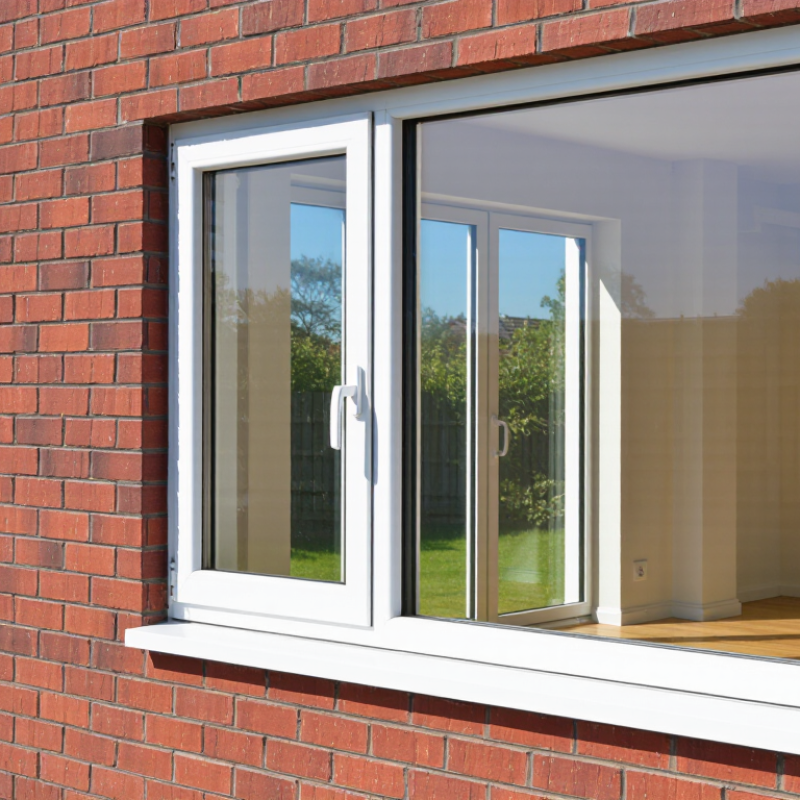
Top 10 Facts Are uPVC Windows Energy Efficient?

What Are uPVC Windows and How Are They Made?

uPVC means unplasticized polyvinyl chloride, a rigid form of PVC used for window frames. It contains no added plasticizers, so the material stays firm in changing weather. It is rigid. Manufacturers blend PVC powder with stabilizers, pigments, impact modifiers, and other additives. This mixture is heated and pushed through a shaped metal die. The process is called extrusion. The result is a long profile with carefully formed internal chambers.

These chambers reduce heat transfer and add structural strength. However, the frame alone does not create an energy-efficient window. The glazing, seals, spacer bars, and installation also affect performance. During fabrication, profiles are cut to size and heat-welded at the corners. Steel or another reinforcement may be placed inside, especially in larger frames. Workers then fit gaskets, hinges, locks, and glass units. Small gaps can cause noticeable drafts.

In practical inspections, I would check clean corner welds, firm seals, and consistent frame alignment. A poorly installed window can waste energy, even when its materials are technically sound. Not every uPVC window performs equally. Frame depth, glass specification, ventilation design, and local climate all matter. A triple-glazed unit may improve insulation, but it can also add weight and cost. That trade-off deserves honest consideration. The manufacturing process is precise, yet the final result still depends on skilled fitting and regular maintenance.

How uPVC Window Design Affects Energy Efficiency

How uPVC Window Design Affects Energy Efficiency

uPVC windows can reduce heat transfer, but their efficiency depends on design rather than material alone. The U.S. Department of Energy reports that windows can cause 25–30% of household heating and cooling energy use. A poorly designed frame may waste much of that energy. Multi-chamber uPVC profiles create insulating air pockets. However, more chambers do not automatically guarantee better performance.

Glass selection is critical. Double glazing with a low-emissivity coating reflects indoor heat back into the room. Argon-filled cavities can reduce conduction between panes. Warm-edge spacers also limit heat loss around the glass perimeter. The National Fenestration Rating Council recommends comparing whole-window U-factors, not only centre-glass values. Lower U-factors indicate better insulation. Solar heat gain coefficients matter too, especially in sunny rooms.

Seals and installation deserve equal attention. Even an efficient window can leak air through weak gaskets or gaps around the frame. The U.S. Department of Energy identifies air leakage as a major source of window-related energy loss. In real projects, installation errors are common. I have found that a carefully sealed standard unit can outperform a superior unit fitted badly. Orientation also changes results. South-facing windows may need balanced solar control, while shaded north-facing windows benefit mainly from insulation. Performance should be measured, not assumed.

Top 10 Facts: Are uPVC Windows Energy Efficient? – How uPVC Window Design Affects Energy Efficiency

No. Energy-Efficiency Fact uPVC Window Design Feature Typical Data or Performance Indicator How It Helps
1 uPVC frames are naturally low-conductivity. Multi-chamber hollow profiles with internal air pockets. Multi-chamber profiles generally insulate better than solid, highly conductive frame materials, although the exact frame U-value depends on profile geometry and reinforcement. Reduces heat flow through the frame and helps limit cold interior surfaces.
2 Glazing usually has the greatest influence on overall window performance. Double or triple insulated glazing instead of single glazing. Typical centre-of-glass U-values are approximately 2.7 W/m²K for clear single glazing, about 1.1–1.4 W/m²K for modern double glazing, and about 0.5–0.8 W/m²K for high-performance triple glazing. Lower U-values mean less heat loss through the glass during cold weather.
3 Low-emissivity coatings improve insulation. A microscopically thin Low-E coating on one or more glass surfaces. Low-E glass reduces radiant heat transfer while remaining visually transparent; its performance varies with coating type and position. Reflects indoor heat back into the room in heating conditions and can also be selected to reduce solar heat gain.
4 Gas-filled cavities can reduce heat transfer. Argon or other inert gas sealed between panes. Argon is commonly used in insulated glazing; the cavity must be correctly sealed, and performance can decline if gas escapes over time. Gas with lower thermal conductivity than air reduces heat movement through the glazing cavity.
5 Warm-edge spacers improve the edge of the glass unit. Low-conductivity spacer bars instead of highly conductive metal spacers. Warm-edge spacers reduce thermal bridging around the perimeter of the sealed glass unit. Helps keep the inner edge warmer, reduces local heat loss, and lowers the risk of condensation at the glass perimeter.
6 Air leakage can undermine good thermal insulation. Multiple compression seals, accurately fitted sashes, and properly adjusted locking hardware. Air-permeability classifications are measured under recognised test standards; lower air-leakage rates indicate a tighter window. Limits uncontrolled drafts and reduces heat loss caused by air infiltration.
7 Window orientation affects solar heat gain. Glass selected according to climate, façade direction, shading, and window size. Solar Heat Gain Coefficient, or SHGC, ranges from 0 to 1; a lower value admits less solar heat. The correct SHGC can provide useful winter solar gain or reduce summer overheating, depending on the building’s location and orientation.
8 Installation quality is as important as product specification. Continuous perimeter sealing, insulated gaps, correct frame alignment, and adequate support. Even a low-U-value window can perform poorly if gaps, compression faults, or thermal bridges occur around the installation perimeter. Prevents drafts, water penetration, and heat bypasses around the frame.
9 Thermal performance should be judged for the complete window. The combined design of frame, glazing, spacer, seals, and opening section. Whole-window U-factor includes the frame, edge-of-glass area, and centre of glass; it is not the same as the centre-of-glass U-value. Provides a more realistic estimate of heat loss for the installed product.
10 Energy efficiency does not eliminate the need for ventilation. Airtight frames combined with controlled background or mechanical ventilation where required. Tight windows reduce accidental ventilation; indoor humidity still depends on occupancy, activities, climate, and ventilation rates. Helps retain heat while providing controlled fresh air and reducing the risk of excessive indoor condensation.

Note: U-values are expressed in W/m²K. Actual results vary according to window size, frame geometry, glazing specification, climate, orientation, installation, and operating conditions. Product performance should be verified using whole-window test data.

The Role of Glazing, Frames, and Seals in Insulation

Top 10 Facts: Are uPVC Windows Energy Efficient?

The glazing unit usually controls most heat loss through a uPVC window. Double glazing creates an insulating air space between two panes. Argon gas can reduce heat transfer further. Low-emissivity coatings reflect indoor heat back into the room. In practice, a cold inner pane often indicates weak glazing performance. Warm-edge spacers can also reduce heat loss around the glass perimeter. Small details matter.

The frame supports the glazing and limits thermal bridging. Multi-chamber uPVC profiles trap air inside their structure. More chambers can improve insulation, but chamber count alone proves little. Frame depth, material quality, and correct reinforcement also affect performance. A professional assessment should examine the complete window, not just its advertised U-value. Installation mistakes can undermine excellent glazing. I have seen narrow gaps around frames create noticeable draughts during winter.

Seals complete the insulation system. Flexible gaskets must press evenly against the sash and frame. Damaged seals allow cold air, moisture, and outdoor noise to enter. Over time, compression can reduce their effectiveness. A simple hand test may reveal a draught, although certified testing is more reliable. Poorly adjusted hinges can also prevent a tight seal. No window is perfect. Even efficient uPVC windows need accurate measurements, careful fitting, and occasional maintenance. Condensation can still appear when indoor humidity is high, especially near unheated rooms. That detail is easy to blame on the window. Sometimes, ventilation is the real issue.

Top 10 Facts: Are uPVC Windows Energy Efficient?

Lower U-values indicate better insulation. Typical whole-window U-values improve significantly when single glazing is replaced with double or triple low-emissivity glazing filled with argon. uPVC frames generally provide low thermal conductivity, while continuous, correctly compressed seals help reduce draughts and uncontrolled air leakage. Actual results vary with window size, spacer design, installation quality, ventilation, and local standards.

Key Energy-Saving Benefits and Potential Limitations

Top 10 Facts: Are uPVC Windows Energy Efficient?

Are uPVC windows energy efficient? Often, yes, but the frame alone does not decide performance. The U.S. Department of Energy estimates that windows can cause 25–30% of residential heating and cooling energy use. A well-designed uPVC unit can reduce heat transfer through multi-chamber frames, sealed joints, and low-emissivity glazing. The details matter more than the material label.

The National Fenestration Rating Council’s performance system uses U-factor, solar heat gain coefficient, and air leakage ratings. A lower U-factor generally indicates better insulation. In cold climates, this can help keep an indoor room warmer near the glass. The British Fenestration Rating Council also links higher window ratings with improved thermal performance. Still, rating figures are laboratory results. Real homes are messier.

Installation can weaken good specifications. Small gaps around the frame may create drafts, condensation, and uncomfortable cold spots. In sunny rooms, large windows can increase summer cooling demand, even with efficient glazing. Poor shading makes this worse. Triple glazing may improve insulation, but it adds weight, cost, and sometimes less usable solar heat. I would not promise identical savings for every house. Wall insulation, orientation, ventilation, and local weather can change the result. A technically efficient window may underperform when fitted badly.

How to Assess uPVC Window Performance and Choose the Right Type

Are uPVC windows energy efficient? Often, but the frame alone does not decide performance. During practical site checks, I look at the complete window system, not just the plastic profile. The key figure is the whole-window U-value, measured in W/m²K. Lower values usually mean less heat escapes through the glass and frame. A well-made unit may still perform poorly if its seals are damaged or installation leaves gaps. Cold air near the sill is a useful warning sign. So is internal condensation, although room humidity also matters.

Choose double glazing for moderate climates, and consider triple glazing for colder rooms or exposed elevations. Low-emissivity coatings and argon-filled cavities can improve insulation. Yet extra glass may reduce daylight and increase cost. Check the window’s solar heat-gain rating as well. South-facing rooms may overheat in summer, while shaded rooms need a different balance. Ask for independent test data covering U-value, air leakage, watertightness, and wind resistance. Certification should identify the testing standard and product configuration. Numbers without configuration are not very useful.

Frame depth, opening style, and ventilation deserve attention. Tilt-and-turn windows can support controlled airing, but careless use wastes heat. Trickle vents improve ventilation, though they slightly affect airtightness. Installation quality often matters more than a small difference between quoted U-values. Use trained installers, insulated reveals, and continuous seals around the frame. Inspect finished joints before plastering hides them. I would not choose the cheapest option automatically. I would also avoid paying for triple glazing when shading and ventilation problems remain unresolved. Real buildings rarely behave like test chambers.

FAQS

Are uPVC windows energy efficient?

Often, yes. Their efficiency depends on glazing, frames, seals, and installation. The frame alone decides little.

Which part usually causes the most heat loss?

The glazing unit usually controls most heat loss. Double glazing creates an insulating air space. Argon can reduce heat transfer further.

How does low-emissivity glass improve insulation?

It reflects indoor heat back into the room. The inner pane should not feel unusually cold. Small details matter.

Do more frame chambers guarantee better performance?

No. Multi-chamber profiles can trap air, but chamber count proves little. Frame depth, reinforcement, and material quality also matter.

How can I find draughts around a window?

Move your hand near the sill and frame edges. Cold air may reveal narrow gaps. Certified testing is more reliable.

What do damaged seals cause?

Damaged seals allow cold air, moisture, and outdoor noise inside. They may look acceptable but feel loose. Maintenance is easy to overlook.

Should I choose double or triple glazing?

Double glazing suits many moderate climates. Triple glazing may help colder or exposed rooms. It can reduce daylight and increase cost.

What should I check before buying new windows?

Ask for the whole-window U-value, air leakage, watertightness, and wind resistance. Check the testing standard and product configuration.

Can condensation prove that a window performs badly?

Not always. High indoor humidity can create condensation, especially near unheated rooms. Ventilation may be the real issue.

Does installation quality matter more than a small U-value difference?

Often, yes. Continuous seals and insulated reveals are essential. I would not automatically choose the cheapest option. Test finished joints before plaster hides them.

Conclusion

Are uPVC windows energy efficient? In many homes, they can be an effective way to reduce heat loss when they are well designed and correctly installed. uPVC is a durable, low-maintenance material that can be formed into multi-chamber frames, helping create insulating air spaces. However, the overall performance depends on more than the frame alone. Double or triple glazing, low-emissivity glass, quality seals, and properly fitted hardware all contribute to better insulation, reduced draughts, and improved indoor comfort.

The main energy-saving benefits of uPVC windows include lower heating and cooling demand, more consistent room temperatures, and potential reductions in household energy use. Their limitations may include weaker performance from low-quality products, poor installation, or unsuitable glass specifications. To choose the right type, homeowners should compare U-values, glazing options, air-tightness, frame design, ventilation needs, and installation quality. Evaluating the complete window system rather than focusing only on material can lead to a more efficient and practical choice.

Charlotte

Charlotte

Charlotte is a seasoned marketing professional with a deep understanding of the company's portfolio and a passion for elevating its presence in the market. With a keen eye for detail and a commitment to excellence, she ensures that our professional blog is regularly updated with insightful articles......