Window insulation is crucial for improving energy efficiency in homes and buildings. Understanding what factors affect window insulation performance is essential for homeowners and builders alike. According to the U.S. Department of Energy, windows can account for 25-30% of residential heating and cooling energy use. Proper window insulation reduces energy costs and enhances comfort.
Several key factors can significantly influence window insulation performance. These include the type of window frame, the glazing material, the number of panes, and the presence of inert gas fillings. A study from the National Renewable Energy Laboratory indicates that double-pane windows with low-emissivity (Low-E) coatings can enhance insulation by up to 40% compared to standard single-pane windows.
While these enhancements are beneficial, not all installations achieve optimal performance. Poor sealing and installation can negate improvements. Each project presents unique challenges that require careful analysis. As window technology evolves, continual evaluation of insulation strategies becomes necessary to ensure maximum effectiveness.
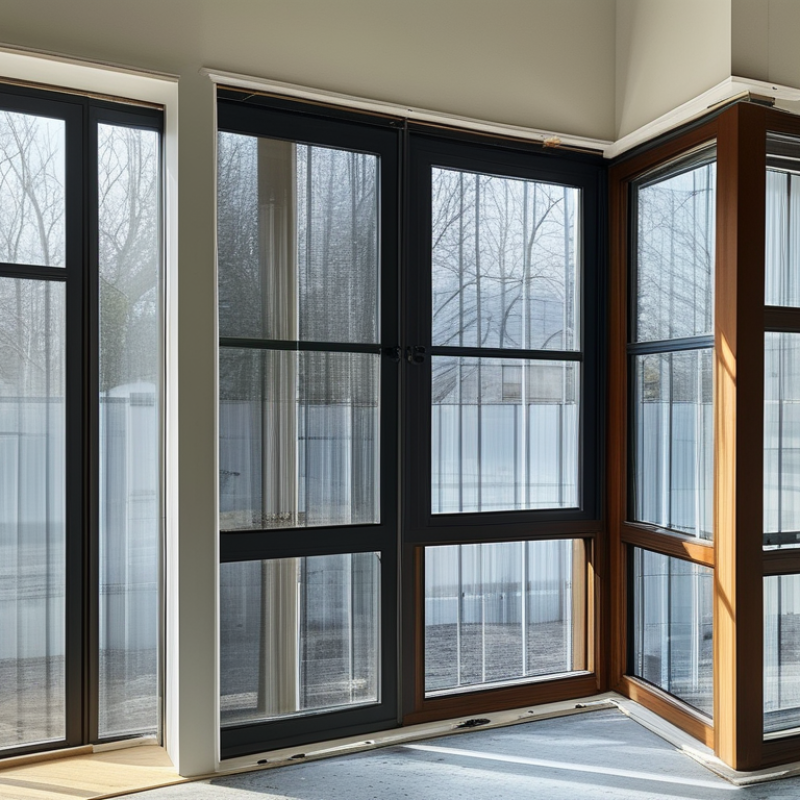
The choice of window frame material significantly impacts insulation efficiency. Different materials conduct heat at varying rates. For instance, wood frames tend to have better insulating properties. They create a thermal barrier that minimizes heat loss. However, wood requires maintenance and may not be ideal for all climates.
In contrast, aluminum frames are often less effective. They conduct heat easily, leading to higher energy costs. While some have thermal breaks to improve insulation, this design isn't universally applied. Vinyl frames offer a balance, combining durability with decent insulation. They are often less prone to issues like warping, making them a practical choice for many homeowners.
When assessing window insulation, it’s crucial to examine the materials closely. Each option has pros and cons worth considering. Consumers should research their particular needs and climate conditions. Ultimately, the frame material can play a pivotal role in the overall performance of window insulation.
When considering window insulation, glazing types play a crucial role in thermal performance. Different glazing options can significantly affect heat retention in buildings. Double glazing, for instance, features two glass panes with an insulating gas in between. This setup can greatly reduce heat loss compared to single-pane windows. However, not all double-glazing methods are equally effective.
Low-emissivity (Low-E) glass is another important option. It reflects heat back into the room while allowing sunlight to enter. This can lead to energy savings, especially in colder climates. However, homeowners need to consider the additional costs. It's essential to weigh the benefits against your budget.
Tips: When selecting windows, think about your local climate. In warmer areas, tinted glass can minimize heat gain. In contrast, cooler climates might benefit more from energy-efficient coatings. Remember, each glazing type has strengths and weaknesses. Measurement and fit also matter, as poorly installed windows may negate the benefits of advanced glazing options. Always aim for the best combination for your space.
Air leakage is a major issue when it comes to window insulation performance. Seals and gaps can let warm air escape and cold air enter your home. According to the U.S. Department of Energy, air leaks can account for 25% to 30% of a home's heating and cooling energy use. These gaps create discomfort and drive up energy bills, making proper sealing essential for efficiency.
Ensuring a good seal around windows is crucial. Use weatherstripping and caulk to fill gaps. Regular inspections can prevent large issues later. Remember, even small openings can have a significant impact on insulation. Many homeowners overlook these areas. The importance of addressing them cannot be stressed enough.
Tip: Examine your windows once a year. Check for any signs of wear or damage. If you notice chilly drafts or condensation, take action immediately. Simple fixes often yield better insulation and lower energy costs. Effective sealing not only improves comfort but enhances energy efficiency as well.
Window orientation and building design significantly influence thermal comfort. Studies reveal that south-facing windows can receive up to 30% more solar heat compared to north-facing ones. This solar gain can warm a space, reducing heating costs in winter. However, excessive heat loss can occur at night if insulation isn’t properly installed.
The shape and design of a building also impact energy performance. Well-designed buildings can enhance airflow and daylighting. A 2018 report highlighted that optimal building orientation could save up to 15% on annual energy costs. Architects must consider these factors carefully. Miscalculating the angle of a window can lead to uncomfortable heat buildup in summer or chilling drafts in winter.
In addition, shading devices can improve comfort levels. By blocking direct sunlight, they help maintain consistent indoor temperatures. Yet, not every design includes effective shading solutions, which can lead to reliance on HVAC systems and higher energy bills. Adjustments and refinements in design are essential for achieving optimal performance.
| Factor | Description | Impact on Performance | Recommendation |
|---|---|---|---|
| Window Type | Different window types have varying insulation properties. | Affects heat transfer and noise reduction. | Choose double or triple-glazed windows. |
| Frame Material | Materials like wood, vinyl, and aluminum offer different insulation levels. | Influences thermal bridging and energy efficiency. | Opt for thermally broken aluminum or vinyl frames. |
| Orientation | Orientation towards sunlight affects heat gain and loss. | Can enhance or diminish indoor thermal comfort. | Use shades or films on south-facing windows. |
| Building Design | The layout and design of the building affect airflow and temperature. | Impacts energy efficiency significantly. | Incorporate proper insulation in walls and roofs. |
| Seal Quality | The integrity of window seals plays a crucial role in insulation. | Leakage can lead to significant energy loss. | Regularly inspect and replace seals as necessary. |
Weatherization plays a crucial role in enhancing window insulation performance. Proper weatherization involves sealing gaps and cracks around windows. This prevents cold air from leaking inside. As a result, homes maintain a more consistent temperature. Investing time in this process can lead to energy savings. Additionally, effective weatherization makes homes more comfortable.
Maintenance is another key aspect of window insulation. Regularly inspecting windows for wear and damage is vital. Sometimes, homeowners overlook minor issues. A small crack can lead to significant energy loss over time. It's important to replace old weather stripping or caulking. Regular maintenance helps prolong the lifespan of windows.
Unfortunately, many neglect these steps. They might feel overwhelmed or busy. However, dedicating time to these tasks pays off. Homeowners often notice a drop in energy bills. This is a reminder that small actions have powerful effects. A little effort in weatherization and maintenance can lead to a more energy-efficient home.
This chart illustrates the five key factors that affect window insulation performance, rated on a scale of 1 to 10 based on their impact. Quality materials and proper installation are critical for optimal performance, while weatherization and regular maintenance further enhance efficiency.
: Different materials conduct heat at varying rates. Wood frames offer better insulation and reduce heat loss.
Aluminum frames conduct heat easily, increasing energy costs. Thermal breaks exist but aren't always used.
Vinyl frames combine durability with decent insulation. They resist warping, making them a practical choice for many.
Weatherization is vital. Sealing gaps prevents cold air leaks, maintaining a consistent temperature indoors.
Regular inspections for wear, replacing old weather stripping, and caulking are essential. Neglect can lead to energy loss.
Many feel overwhelmed or too busy. Minor issues can cause significant energy loss over time if ignored.
Regular maintenance can lower energy bills. Small actions lead to energy savings and improved home comfort.
Yes, neglect can increase energy bills. Even small leaks can have a big effect over time.
Homeowners need to evaluate their climate conditions. Some frame materials work better in certain environments.
No, wood requires maintenance and may not suit every climate. Research is necessary to find the best fit.
Effective window insulation performance is influenced by several key factors. Firstly, the choice of window frame materials plays a crucial role in determining insulation efficiency, as different materials conduct heat at varying rates. Additionally, the type of glazing used in windows significantly impacts their thermal performance; multi-pane glass options can enhance insulation by reducing heat transfer.
Moreover, air leakage due to poor seals and gaps can severely undermine insulation effectiveness, allowing unwanted air exchange that affects indoor temperature. The orientation of windows and overall building design also contribute to thermal comfort, as strategic placement can maximize natural light while minimizing heat loss. Lastly, regular weatherization and maintenance are vital to ensure that windows continue to perform efficiently over time. Understanding what factors affect window insulation performance is essential for improving energy efficiency and comfort in homes.

Nova Panel