In the quest for energy efficiency, understanding "what makes a window energy efficient" is crucial. According to the Department of Energy, windows account for 25-30% of residential heating and cooling energy use. This statistic highlights the importance of choosing the right windows. Industry expert, Dr. Linda Johnson, states, "Efficient windows are not just about price; they are about long-term savings and comfort."
Energy-efficient windows are designed to reduce heat loss in winter and prevent heat gain in summer. Key features include low-emissivity coatings, multiple glazing layers, and gas fills between panes. These elements help maintain stable indoor temperatures. However, many consumers still overlook the impact of poor installation. A poorly installed window can negate the benefits of energy-efficient designs.
The complexity of energy efficiency also requires ongoing education. Many homeowners might not understand the specifications needed for their climate. Reflecting on these challenges, it becomes clear that making informed decisions about windows is a process that requires attention and research.
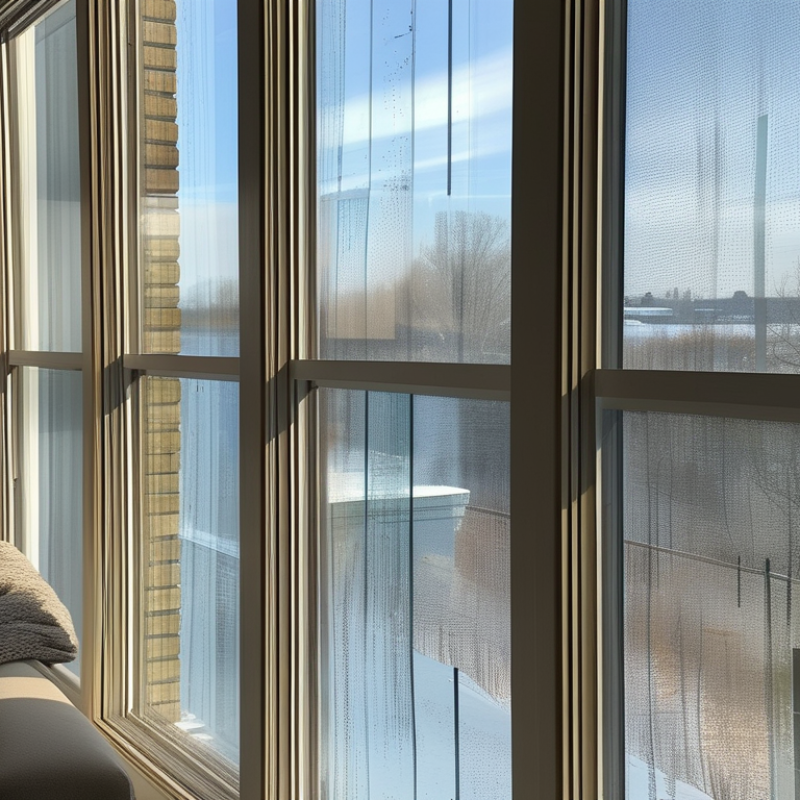
Understanding the Basics of Window Energy Efficiency
Understanding window energy efficiency involves several key factors. The most crucial aspect is insulation. Windows should prevent heat transfer. This often means selecting energy-efficient glass. Double or triple-pane glass offers a buffer against outside temperatures. It traps air between the layers, enhancing insulation.
Another aspect is the frame material. Materials like vinyl or wood perform well in energy efficiency. Metal frames often conduct heat. They can create cold spots and may lead to higher energy bills. Sealants and spacers also play vital roles. They help reduce air leaks, ensuring better overall performance. It’s essential to check for any gaps or imperfections in installation.
Finally, consider the solar heat gain coefficient (SHGC). This rating indicates how much solar heat passes through the window. A lower number suggests better performance in hot climates. Yet, in colder areas, higher SHGC values might be beneficial. Balancing these factors is no easy task and often requires careful consideration. Mistakes can lead to discomfort and increased energy costs. Each choice impacts your comfort and energy efficiency.
Key Features of Energy Efficient Windows
When looking for energy-efficient windows, focus on several key features.
Insulation is vital. Good windows have multiple layers of glazing.
The space between the glass layers is filled with argon or krypton gas.
These gases are denser than air and reduce heat transfer.
Another important factor is the frame material.
Wood, fiberglass, and vinyl are good choices. They offer better insulation than metal frames.
You should also consider the window's Low-E coatings.
These coatings reflect infrared and ultraviolet light, keeping homes cooler in summer and warmer in winter.
Don't forget about the importance of proper installation.
Even the best windows can underperform if installed incorrectly.
Gaps and poor sealing defeat energy-efficient features.
Also, think about local climate; it affects what you need.
The perfect window varies by region and personal needs. Reflecting on these details can help consumers make informed decisions.
Evaluating Window Frames and Materials for Insulation
When evaluating window frames and materials for insulation, several factors should be considered. The material of the frame plays a crucial role in energy efficiency. Common options include wood, vinyl, aluminum, and fiberglass. Each material has distinct insulation properties and thermal conductivities. For instance, wood provides excellent insulation but requires maintenance. Vinyl frames are low-maintenance and offer good insulation, while aluminum frames are less energy-efficient without thermal breaks.
The design of the window itself matters. Double or triple-glazed windows are generally better insulators. They trap air between panes, reducing heat transfer. The spacing of these panes and the type of gas used (like argon) also affect performance. A poorly designed window can lead to significant energy loss, making it essential to evaluate these details.
It can be tempting to focus solely on aesthetics when choosing window materials. However, looking beyond the surface is important. Even a visually appealing window may lack proper insulation. Reflecting on the long-term impacts, including potential energy savings, can guide better decisions. Think about how the right choice can enhance comfort and reduce utility bills over time.
Importance of Glazing Options and Low-E Coatings
When considering window energy efficiency, glazing options and low-emissivity (Low-E) coatings play a crucial role. Glazing affects how much heat and light enter or escape your home. Single-glazed windows offer minimal insulation compared to double or triple-glazed units. Multiple layers of glass create space that traps air, enhancing thermal performance.
Low-E coatings are an innovative technology used in window manufacturing. These microscopic layers reflect infrared light while allowing visible light to pass through. They minimize heat transfer, keeping your home warmer in winter and cooler in summer. Choosing windows with this coating can significantly reduce energy costs.
Tip: When selecting windows, look for those with a high R-value. This indicates better insulation.
Not all Low-E coatings are the same. Some only reflect certain wavelengths, making product research essential. Consult local energy efficiency programs for guidance.
Tip: Always check for certification labels. They provide reliability concerning energy ratings and performance.
The Role of Installation Quality in Window Performance
The quality of window installation significantly impacts energy efficiency. According to the U.S. Department of Energy, improper installation can lead to air leaks, which account for up to 30% of heating and cooling energy use. Ensuring a tight seal during installation is crucial. Gaps can allow conditioned air to escape, increasing overall energy consumption and utility bills.
Even high-quality windows will underperform if not installed correctly. Research from the Efficient Windows Collaborative indicates that air leakage can reduce window performance ratings by as much as 50%. Homeowners and builders should focus on proper alignment, sealing, and insulation. Training installers on best practices is essential, as errors in the field can diminish the benefits of selecting energy-efficient products.
Climate plays a crucial role in determining window performance, but installation quality is paramount. Some installers may overlook minor details, leading to significant energy loss. Regular audits of installation practices can help identify common mistakes. It’s advisable to verify credentials and previous work to ensure reliability. Consistent training enhances the skill set of installers, ultimately benefiting energy efficiency goals.
FAQS
: Insulation is vital for energy-efficient windows. Multiple layers of glazing help reduce heat transfer.
Wood, fiberglass, and vinyl frames offer good insulation. They are generally better than metal frames.
Low-E coatings reflect infrared and ultraviolet light. This keeps homes cooler in summer and warmer in winter.
Incorrect installation can cause air leaks. This can reduce energy efficiency by up to 30%.
Double or triple-glazed windows provide better insulation. They trap air between panes, reducing heat transfer significantly.
No, aesthetics can be misleading. A visually appealing window may not provide proper insulation.
Poor installation can lead to air leaks, diminishing window performance by as much as 50%.
Climate affects window needs. The right choice varies by region and personal requirements.
Proper training ensures installers apply best practices. Mistakes can significantly impact energy efficiency.
Homeowners should check credentials and previous work. This helps ensure high-quality installation.
Conclusion
When considering what makes a window energy efficient, it is essential to understand the foundational elements that contribute to its performance. Energy efficient windows typically boast key features such as superior insulation properties, effective glazing options, and low-emissivity (Low-E) coatings. The choice of window frames and materials also plays a crucial role in enhancing insulation, as different materials offer varying levels of thermal resistance.
Moreover, the quality of installation significantly impacts overall window performance, as even the best windows can underperform if not installed correctly. By evaluating these factors—frame materials, glazing technologies, and installation techniques—homeowners can make informed decisions that lead to improved energy efficiency, ultimately resulting in lower energy costs and a more comfortable indoor environment.

 Nova Panel