How much energy can uPVC windows save? The honest answer depends on what they replace, how well they are installed, and the conditions in your home. A draughty single-glazed window may lose heat through both the glass and gaps around its frame. A modern, well-fitted uPVC window can reduce those losses. The result is not identical in every house. Climate, window size, heating habits, and existing insulation all matter.
Building scientist Dr. Joseph Lstiburek’s work offers a useful principle, paraphrased here: assess a window as part of the whole building enclosure, not in isolation. That means looking beyond the frame material. Check the glazing specification, seals, installation details, and ventilation needs. On a cold morning, a warmer inner pane and fewer draughts may be noticeable. Lower energy bills may follow, but they also depend on energy prices and thermostat settings. Numbers without context can mislead. This guide explains what affects savings, how to compare realistic estimates, and which details to check before choosing replacement windows.
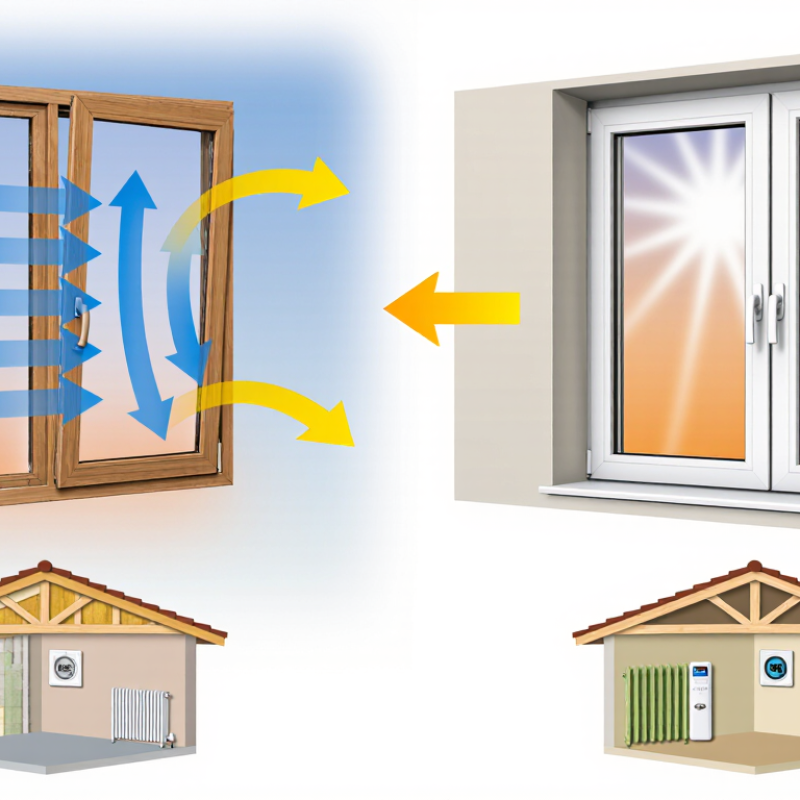
Heat escapes through a window in several ways: through the glass, the frame, and gaps around the sash. uPVC frames conduct less heat than many metal frames, while hollow chambers inside the profile slow heat transfer. Tight seals also help block cold drafts. The details matter, though. A well-made frame cannot compensate for poorly fitted glazing or gaps left during installation.
The U.S. Department of Energy reports that heat gain and heat loss through windows account for about 25–30% of residential heating and cooling energy use. That figure describes windows as a whole; it is not a promised saving from switching to uPVC. The actual improvement depends on the old window, glazing, air leakage, climate, and installation. Double glazing adds an insulating air or gas space, while low-emissivity coatings can reduce radiant heat transfer. Still, uPVC is not magic. A cold corner beside a new window may point to an installation issue—or insulation elsewhere that needs attention.
Tips: Compare whole-window U-factor and air-leakage ratings, not frame material alone. Check that installers seal the perimeter carefully, especially beneath the sill. On a windy day, feel around the closed sash for drafts. DOE data provides useful context, but your home’s results will vary.
The energy performance of uPVC windows depends on more than the frame material. Glazing, seals, installation, and the room’s exposure all affect heat loss. Double or triple glazing can reduce heat transfer, but the exact result depends on glass spacing and coatings. Low-emissivity glass helps reflect heat back indoors during colder weather.
Air leaks matter. Worn seals or gaps around the frame can let cold air in, even when the glass performs well. Careful installation helps close those gaps. Fit matters. Still, replacing windows may not fix drafts caused by a poorly insulated wall or roof. It is easy to blame the window first, and that can be a mistake.
Orientation changes the picture. A large south-facing window may bring in useful winter sunlight, but also increase summer heat. Exterior shading can limit that gain. Ventilation matters, too: opening windows is useful for fresh air, but frequent winter airing can increase heat loss. Compare whole-window performance ratings, not frame claims alone, and consider your home’s climate and existing insulation. Actual savings vary, so treat estimates as estimates.
To estimate savings, start with utility bills, not a product brochure. Start with bills. Gather 12 months of energy use and costs, then note heating and cooling equipment, local fuel prices, and any major changes in occupancy.
The U.S. Department of Energy estimates that windows account for about 25–30% of residential heating and cooling energy use. That is a useful ceiling on the opportunity, not a promise of savings.
Compare your existing windows with proposed units using whole-window U-factor and solar heat gain coefficient values from the National Fenestration Rating Council label. Include window area, direction, shading, and installation quality; a poorly sealed frame can undermine a strong rating.
uPVC describes the frame material, but glazing and airtight installation also shape performance. An energy auditor can model both cases using local weather data and your actual heating system.
For a quick check, compare winter gas or electricity use across similar degree-day periods, while allowing for thermostat changes.
ENERGY STAR reports that replacing single-pane clear-glass windows with certified windows can save an average of 13% on energy bills. That national estimate is not specific to uPVC, your climate, or your home. Keep expectations modest. A cold draft beside the sofa may improve even when the bill barely moves, and that difference deserves attention too.
Older windows often lose heat through loose frames, worn weatherstripping, and thin glass. The U.S. Department of Energy estimates that windows account for about 25–30% of residential heating and cooling energy use. That figure covers window-related heat gain and loss, not savings guaranteed by replacement.
The size of the improvement depends on what is being replaced. ENERGY STAR estimates that U.S. households replacing single-pane windows with certified models can save about $101–$583 annually on energy bills. For homes with older double-pane clear windows, its estimate is lower: about $27–$197 a year. These ranges reflect different climates and energy costs, so they are not a promise for every home.
uPVC frames can help limit heat transfer, but the frame alone does not determine performance. Glazing, seals, installation quality, and the window’s rated U-factor and solar heat gain coefficient all matter. A badly fitted new window may still feel drafty beside a cold sill. That detail is easy to overlook. Before estimating savings, compare the existing window type with the proposed unit and check local energy prices; even careful estimates can miss how occupants use heating and cooling.
uPVC window frames resist moisture, rot, and corrosion, so peeling paint and routine repainting are usually not concerns. A damp cloth is often enough for cleaning. Their sealed frames and insulated glazing can also help reduce draughts and outside noise, although sound control depends heavily on the glass, seals, and installation. The U.S. Department of Energy’s Energy Saver guidance estimates that heat gain and loss through windows account for 25–30% of residential heating and cooling energy use. Better-performing windows can help, but that figure is not a promised saving for every home.
There are limitations. uPVC can expand in hot weather, and low-quality frames may discolor or become brittle over time. A damaged frame is also harder to repair neatly than timber. The National Fenestration Rating Council’s window ratings help buyers compare U-factor and solar heat gain, rather than relying on frame material alone. That distinction matters. A well-fitted uPVC window with suitable glazing may outperform a poorly specified one, but careful installation adds cost. I would treat maintenance claims cautiously, too: the frame may need little attention, while hinges, seals, and drainage channels still need occasional checks.
Illustrative reduction in heat transfer through the window compared with older single glazing
The estimates use representative whole-window U-values: about 5.0 W/m²K for single glazing, 1.4 for modern low-emissivity double glazing, and 0.8 for triple glazing. The reduction is calculated from the U-value and describes heat transfer through the window under the same conditions—not guaranteed savings on a household energy bill.
Well-made uPVC frames can offer low maintenance and good insulation when paired with efficient glazing and careful installation. Actual savings depend on the existing windows, climate, window area, and heating use. Replacing windows can be costly, and airtight homes still need suitable ventilation.
Gather 12 months of utility bills, then note fuel prices, heating equipment, and occupancy changes. Compare similar weather periods. Estimates can still miss thermostat habits.
Windows account for about 25–30% of residential heating and cooling energy use. That is not a guaranteed saving from replacement. Not a promise.
No. Savings depend on climate, energy prices, existing windows, and how the home is heated or cooled. A single-pane home may have more room to improve than one with older double-pane windows.
Check the whole-window U-factor and solar heat gain coefficient. Also consider window direction, area, and shade from trees or eaves. A sunny south-facing window behaves differently from a shaded one.
No. uPVC can limit heat transfer, but glazing, seals, and installation matter too. A poorly sealed frame may still leave a cold draft beside the sofa.
They may help, especially with insulated glazing and tight seals. Noise reduction depends on the glass and installation. A quiet room is not guaranteed.
Usually, the frame needs little attention and can often be cleaned with a damp cloth. Hinges, seals, and drainage channels still need occasional checks. I would not call them maintenance-free.
Frames can expand in hot weather, and low-quality ones may discolor or become brittle. Damage can be harder to repair neatly than timber. That trade-off deserves a closer look.
uPVC windows can reduce heat loss by combining multi-chambered frames with tightly sealed edges and insulating glazing. Their performance depends on factors such as glass type, frame design, installation quality, window size, and the condition of the surrounding walls. To estimate how much energy can upvc windows save, homeowners can compare current heating and cooling use with the expected performance of replacement windows, while considering local climate, energy prices, and household habits.
Compared with older single-glazed or poorly sealed windows, well-installed uPVC units may help keep indoor temperatures more stable and reduce the energy needed for heating or cooling. The actual savings vary from home to home, so they are best treated as an estimate rather than a guarantee. Other benefits can include reduced drafts, lower maintenance needs, and improved noise insulation. However, window replacement can involve a substantial upfront cost, and better windows alone cannot overcome poor insulation elsewhere in a home.
Nova Panel