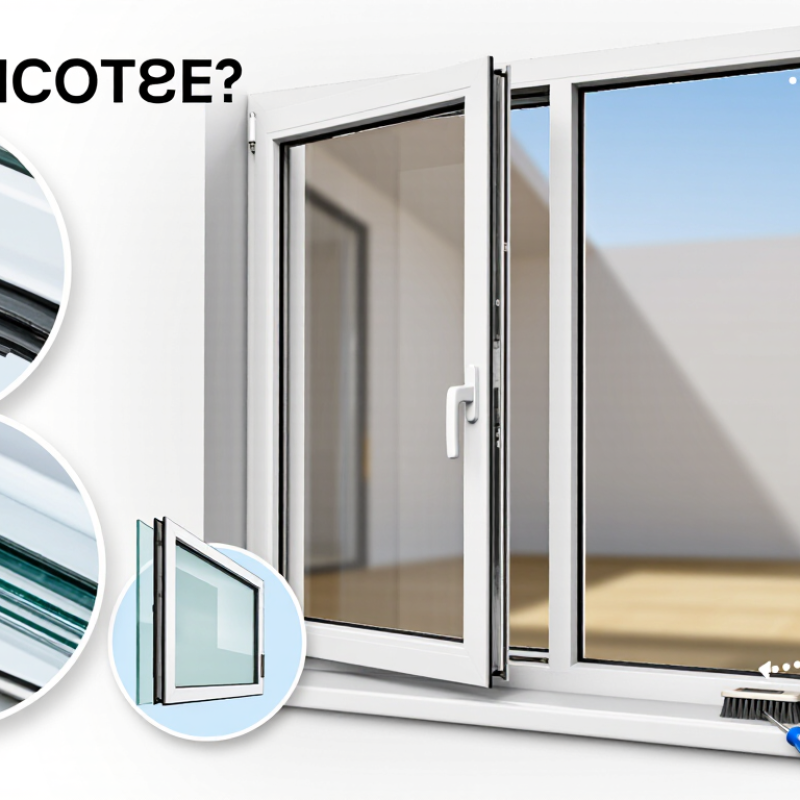
How Long Do UPVC Windows Last 7 Best Facts?

Time:2026-10-07 Author:Isabella
0%

How long do UPVC windows last? It is a practical question, especially when a frame still looks clean but feels stiff around the handle. Industry evidence suggests a realistic service life of 20 to 35 years, although excellent installation and regular maintenance can extend that period.

The European PVC Window Association reports that quality PVC window systems can achieve a service life of at least 50 years under suitable conditions. However, this figure concerns the window system and its materials, not every seal, hinge, or locking mechanism. FENSA guidance commonly places typical domestic UPVC windows closer to 20–30 years. The difference matters.

As fenestration specialist Neil Evans explains, “A UPVC window’s lifespan depends as much on installation and maintenance as on the profile itself.” That is easy to overlook. A poorly fitted window may show condensation, draughts, or water ingress within a few years. A well-installed frame may remain stable for decades.

Small details reveal the truth.

Check the rubber seals. Feel the handle. Look for cloudy glass between panes. These signs often appear before visible frame damage. The Energy Saving Trust also notes that modern double glazing can last around 20 years, depending on product quality and exposure.

Still, service-life estimates are not promises. Coastal salt, strong sunlight, neglected drainage holes, and repeated force can shorten performance. I would question any simple “50-year guarantee” claim without reading its conditions. This guide examines the evidence behind how long do upvc windows last, while separating laboratory expectations from everyday household experience.

How Long Do UPVC Windows Last 7 Best Facts?

UPVC Window Lifespan: Why Industry Estimates Range from 20 to 35 Years

UPVC windows are often given a lifespan of 20 to 35 years, but this range is not a guarantee. It reflects different climates, installation standards, materials, and maintenance habits. In mild, dry conditions, a well-fitted frame may remain stable for decades. Coastal air, intense sunlight, and repeated temperature changes can shorten that period. The glass may last, while seals, hinges, or locking parts fail earlier. Small components matter.

From practical inspections, I look beyond the frame’s appearance. A window can look white and clean yet admit a cold draught around one corner. Check for warped sashes, stiff handles, cracked seals, condensation between panes, and water marks beneath the sill. These signs do not always mean replacement. A new gasket or adjusted hinge may restore performance. However, persistent moisture can damage surrounding plaster and timber. Ignoring it becomes expensive.

Installation quality is often the hidden reason estimates vary. A level frame, correct drainage, and secure fixing help UPVC resist movement. Poor fitting can create stress within months. Cleaning with mild soap is sensible; harsh solvents may damage the surface. Lubricate moving hardware lightly and keep drainage channels clear. I once assumed a twenty-year-old window was worn out, but its failing seal was the real problem. That mistake changed how I assess lifespan. Age alone is weak evidence.

Frame Durability: How BS EN 12608 Classifies UPVC Profile Performance

How Long Do UPVC Windows Last 7 Best Facts?

Frame Durability: How BS EN 12608 Classifies UPVC Profile Performance

BS EN 12608 provides a technical framework for judging unplasticised polyvinyl chloride window profiles. It does not promise an exact service life. Instead, it examines performance factors that influence long-term durability. These include impact resistance, weathering behaviour, profile appearance, and wall-thickness classification. A compliant profile has passed defined laboratory tests. Real homes remain more complicated.

The standard commonly identifies wall-thickness classes A, B, and C. Class A generally requires thicker visible walls than Class B. Class C has fewer wall-thickness requirements. Thicker sections can offer greater stiffness, especially around large sashes and wide frames. However, thickness alone does not guarantee a better window. Material formulation, welding quality, reinforcement, drainage, and installation also matter.

A practical inspection should check the profile classification alongside its test documentation. Look for stable corners, clean welds, secure drainage paths, and minimal sash movement. Coastal sunlight, dark colours, poor ventilation, and repeated impact can accelerate ageing. Maintenance helps, but it cannot repair a weak profile. I once underestimated installation quality when comparing two similar frames. The better-rated profile performed poorly after careless fitting. That mistake is worth remembering. BS EN 12608 supports informed selection, yet site conditions still shape how long UPVC windows remain reliable.

Glass and Seals: The 10–15-Year Maintenance Factors Affecting Service Life

How Long Do UPVC Windows Last? 7 Best Facts

Glass and seals often decide whether UPVC windows feel new after ten years. The frame may remain sound, while the sealed glass unit slowly loses performance. The U.S. Department of Energy reports that windows can account for 25–30% of household heating and cooling energy use. Small seal failures can therefore become noticeable on energy bills.

Around the 10–15-year mark, inspect perimeter seals, spacer bars, drainage channels, and opening hardware. Condensation between panes is a strong warning sign. It usually indicates that the insulating seal has failed, allowing moisture into the cavity. The National Fenestration Rating Council explains that air leakage and insulation values directly affect window efficiency. A failed seal can reduce the practical value of otherwise efficient glazing.

Simple maintenance still matters. Clean drainage slots twice yearly, keep frames free from grit, and avoid sharp tools near rubber gaskets. Check for brittle edges, gaps, or wind noise after storms. In coastal or highly exposed locations, deterioration may appear earlier. I have seen homeowners blame the UPVC frame when the real problem was a tired seal or poor drainage. That mistake is understandable, but expensive. Glass replacement may restore performance without replacing the entire window. Yet not every fogged unit is repairable, and installation quality remains a difficult variable.

Energy Efficiency: Understanding U-Values Below 1.4 W/m²K in Modern Units

How Long Do UPVC Windows Last? Energy Efficiency Below 1.4 W/m²K

A quality uPVC window commonly lasts 20 to 35 years. Installation quality and maintenance strongly affect that range. Its U-value measures heat transfer through the complete window. Lower values indicate better insulation. Modern units below 1.4 W/m²K meet the performance benchmark in the UK Government’s Approved Document L, 2021 edition. This figure is not a comfort guarantee. Air leakage, shading, orientation, and poor fitting still influence indoor temperatures.

The International Energy Agency’s Buildings 2023 report states that buildings use about 30% of global final energy. They also produce around 26% of energy-related emissions. Efficient windows cannot solve this alone. However, they reduce cold surfaces and heating losses. Experienced installers should inspect gaskets, drainage, spacers, and frame alignment. Failed seals may create mist between panes. Hardware can need adjustment long before the frame wears out. A quoted U-value can also mislead. Laboratory conditions are cleaner than real homes. That difference deserves honest attention.

Tips: Ask for the whole-window U-value, not centre-glass data. Request test evidence referencing EN 14351-1 and an accredited laboratory. Check corners for drafts during windy weather. Clean drainage channels twice yearly. Replace damaged seals early. If condensation appears indoors, measure humidity before blaming the window. Keep installation records for future repairs.

Replacement Indicators: When Hardware, Condensation, and Warping Signal Failure

UPVC windows commonly serve for 20 to 35 years, but exposure, installation quality, and maintenance can change that range. The frame may look sound while its moving parts quietly deteriorate. Hardware is often the first warning. If handles feel loose, locks resist, or hinges sag, repeated force can damage the frame. Do not ignore it. An experienced surveyor should check alignment, seals, and drainage before recommending replacement.

Condensation between panes is more serious than moisture on the room-facing glass. It usually indicates a failed sealed unit and a broken internal seal. The glass may appear cloudy, misted, or marked around the edges. Indoor condensation still deserves investigation, especially in bedrooms with limited airflow. However, replacing every misted window without checking ventilation can waste money. That is an easy mistake.

Warping creates uneven gaps, draughts, and difficult closing. Sunlight, age, poor fitting, or prolonged moisture can contribute. A simple paper test can reveal weak compression around the seal. Place paper between the sash and frame, then close the window. If it slides out easily, the seal may be failing. Some frames can be adjusted. Others have distorted beyond practical repair. Installers often find that several small defects point to a wider failure, although one damaged hinge does not automatically justify full replacement.

How Long Do UPVC Windows Last? 7 Best Facts — Replacement Indicators: When Hardware, Condensation, and Warping Signal Failure

Fact / Dimension Typical Service Life or Range What It Means in Practice Replacement or Maintenance Indicator
1. Overall UPVC window lifespan Approximately 20–35 years Well-installed UPVC frames can remain functional for several decades when exposed to normal weather conditions and cleaned regularly. Consider replacement when several major problems occur together, such as frame distortion, persistent draughts, failed sealed units, and repeated hardware faults.
2. Effect of installation and exposure Can shorten or extend service life by several years Poor fitting, inadequate drainage, strong sunlight, coastal salt, large temperature changes, and water ingress can accelerate deterioration. Check drainage slots, perimeter seals, fixing points, and opening alignment at least annually, especially after severe weather.
3. Hardware lifespan Commonly 10–15 years, depending on use and maintenance Handles, hinges, locks, friction stays, and keeps experience repeated mechanical stress each time a window is opened or closed. Lubrication or adjustment may solve stiffness. Replacement is more appropriate when the handle spins, the lock will not engage, or the sash repeatedly drops out of alignment.
4. Gaskets and weather seals Often around 5–15 years Rubber seals gradually lose flexibility because of ultraviolet exposure, temperature cycling, dirt, and compression. Replace seals when they are cracked, hardened, flattened, loose, or associated with noticeable draughts and water penetration.
5. Condensation on the room-side glass Usually a ventilation or indoor-humidity issue Moisture on the interior surface can occur when warm, humid indoor air meets a colder pane. It does not automatically mean the window has failed. Improve ventilation, use extractor fans, reduce indoor humidity, and keep trickle vents open where appropriate before replacing the window.
6. Condensation between double-glazed panes Indicates a failed insulating glass seal Persistent misting or water droplets inside the sealed cavity mean the unit has lost its airtight seal and insulating gas may have escaped. The sealed glass unit normally needs replacement. The entire frame may not need replacing if it remains straight, secure, and serviceable.
7. Warping, bowing, or distortion A serious condition requiring prompt assessment A distorted sash or frame can prevent correct locking, create gaps, overload hardware, and reduce resistance to wind and rain. If adjustment does not restore alignment, replacement is usually justified. Investigate installation, fixing, drainage, and heat exposure before choosing a new window.
Practical decision rule: Repair or replace individual components when the UPVC frame is sound. Consider full window replacement when the frame is permanently warped, water penetration is recurring, security cannot be restored, or several performance problems appear at the same time.

FAQS

How long can UPVC windows usually last?

Quality UPVC windows commonly last 20 to 35 years. Installation, sunlight, maintenance, and daily use affect this range. It is only an estimate.

What does BS EN 12608 measure?

It assesses profile impact resistance, weathering behaviour, appearance, and wall-thickness classification. It does not guarantee an exact service life. Real buildings behave differently.

What do Class A, B, and C profiles mean?

These classes describe profile wall-thickness requirements. Class A generally has thicker visible walls than Class B. Class C has fewer thickness requirements. Thicker walls can improve stiffness, but they do not guarantee better performance.

Can a thick frame still perform poorly?

Yes. Welding quality, reinforcement, drainage, materials, and installation also matter. A thick frame with careless fitting may develop movement or drafts. That is easy to underestimate.

How can I identify failing glass seals?

Look for condensation between panes, misted glass, wind noise, or reduced insulation. Moisture inside the sealed cavity usually indicates seal failure. Glass replacement may help, but some units need complete replacement.

What maintenance is useful around the ten-year mark?

Clean drainage slots twice yearly and remove grit from frame channels. Inspect rubber seals, spacer bars, corners, and opening hardware. Small gaps deserve attention.

Is a U-value below 1.4 W/m²K enough?

It indicates strong insulation under tested conditions. Ask for the whole-window U-value, not only the centre-glass figure. Poor alignment, air leakage, shading, and humidity can still reduce comfort.

How does installation affect window lifespan?

Poor fitting can cause sash movement, drafts, drainage problems, and early hardware wear. Check corners, seal contact, and drainage paths after installation. The better-rated profile may still perform badly.

Should I replace the whole window when condensation appears?

Not necessarily. Measure indoor humidity and inspect seals, drainage, and glass units first. A failed sealed unit may be replaceable without removing the frame. Diagnosis can be imperfect, so avoid guessing.

Conclusion

How long do upvc windows last depends on the quality of the profiles, installation, glazing, hardware, and ongoing maintenance. In general, modern UPVC windows may provide around 20 to 35 years of service. Their frame durability is influenced by the performance class of the UPVC profile under BS EN 12608, which considers factors such as weather resistance, strength, and long-term stability. Proper installation and regular care can help the frames remain secure and functional throughout their expected lifespan.

Glass units and seals often require more attention after 10 to 15 years, particularly if condensation appears between panes or drafts develop around the edges. Modern replacement units may also improve energy efficiency, especially when their U-values are below 1.4 W/m²K. Signs that a window may need repair or replacement include failing locks, damaged hinges, persistent condensation, warped frames, difficulty opening, and noticeable heat loss. Recognizing these issues early can extend performance and prevent more extensive problems.

Isabella

Isabella

Isabella is a dedicated marketing professional with a sharp focus on driving brand growth and engagement through strategic content creation. With an extensive background in digital marketing, she combines her passion for storytelling with her keen understanding of industry trends to deliver......