When considering home improvements, many homeowners ask, "are double glazed windows worth the investment?" According to industry expert Sarah Johnson, a renowned architectural consultant, “Double glazing can significantly reduce energy costs while enhancing comfort.” This perspective highlights the potential benefits of installing double glazed windows.
However, the decision isn't always straightforward. While double glazed windows can improve insulation, they come with a higher upfront cost. Homeowners may question if the long-term savings justify this investment. In areas with moderate climates, the energy savings might not be as pronounced.
Moreover, the installation process requires careful planning and expertise. An improper installation can lead to leaks and reduced efficiency. Understanding the nuances of double glazing is essential. As tempting as it may seem, potential buyers must weigh the immediate financial implications against the long-term gains. Evaluating personal circumstances and local climate is crucial in making the best choice.
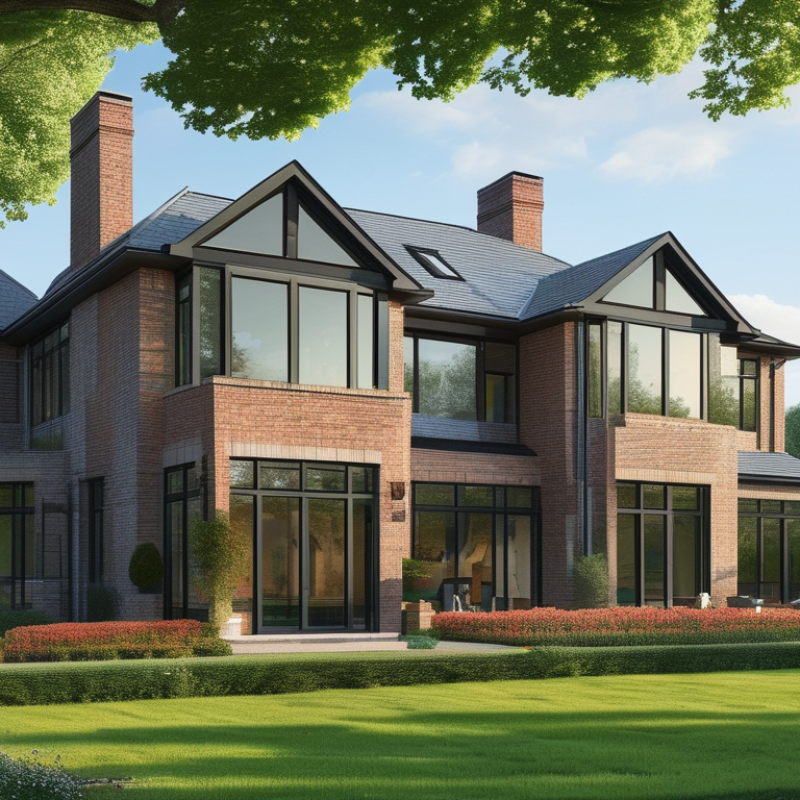
Benefits of Double Glazed Windows for Energy Efficiency and Savings
Double glazed windows are increasingly recognized for their substantial benefits in energy efficiency. According to the Department of Energy, homes with double glazing can save up to 24% on energy costs during the winter and 18% in the summer. These windows reduce heat transfer, keeping homes warmer in winter and cooler in summer. This energy saving translates into significant savings on utility bills.
Additionally, double glazing often results in improved sound insulation. A study by the National Institute of Standards and Technology shows that these windows can reduce outside noise by up to 60%. This is particularly beneficial for homes located near busy roads or noisy neighborhoods. Buyers are increasingly seeking homes with better acoustics, making double glazing a smart investment.
Tip: When considering double glazing, look for windows with a low U-value, which measures thermal performance. A lower U-value indicates better insulation, improving energy efficiency. Also, consider the overall quality of installation; poor fitting can negate the benefits of double glazing. Proper installation reduces drafts, ensuring maximum effectiveness. Investing in high-quality windows and professional installation can yield even greater savings over time.
Cost Analysis: Initial Investment vs. Long-term Benefits of Double Glazing
When considering double-glazed windows, it’s essential to weigh the initial investment against long-term advantages. Initially, the cost may seem higher than single-glazing. You might pay anywhere from 10% to 20% more upfront. However, the savings over time can be significant. Reduced energy bills stand out as one of the primary benefits. Homeowners can save on heating and cooling costs, especially in extreme climates.
Keeping energy efficiency in mind, the comfort level in your home increases. Condensation issues can be minimized, enhancing air quality. Yet, not all installations are perfect. Mistakes can happen with installation, leading to leaks. Therefore, choosing skilled professionals is vital for maximizing these benefits.
The environmental impact is also worth mentioning. Double-glazing can reduce your carbon footprint. Over years, this adds up to a notable difference. However, it is crucial to consider your specific living situation. The payback period can vary based on local energy costs and climate conditions. Making such investments requires thoughtful reflection and analysis.
Impact of Double Glazing on Home Value and Resale Potential
Double glazed windows can significantly enhance the appeal of your home. They offer better insulation, reducing energy costs. However, the impact on home value and resale potential varies. In many markets, energy efficiency is a selling point. Buyers increasingly seek homes with modern features that lower utility bills.
Investing in double glazing may yield a higher return upon resale. Homes with these windows often sell faster. They attract eco-conscious buyers, enhancing your marketability. This improvement can make a difference in competitive neighborhoods.
Tip: Consider getting a professional energy audit before installation. This assessment can highlight potential savings. It helps you understand your home’s current energy efficiency.
Maintenance is also essential. Ensure seals remain intact and clean dirt from the panes. Neglected double glazing can lead to condensation issues. This can deter buyers who prefer homes in pristine condition.
Understanding Noise Reduction: The Role of Double Glazed Windows
Double glazed windows are becoming popular for their ability to reduce noise. They consist of two glass panes separated by an air cavity. This setup creates an effective barrier against sound. A significant amount of outdoor noise can be cut down by this design. Homes located near busy roads or airports benefit greatly from this feature.
However, not everyone experiences the same level of noise reduction. The effectiveness can vary based on installation quality and window specifications. Some may find that high-frequency sounds still penetrate. It's essential to consider these factors before making a decision.
While double glazing does offer noise reduction, it isn't a complete solution. Sound waves can still find their way through walls and doors. Homeowners should also evaluate other methods for soundproofing their spaces. Combining double glazing with proper insulation can significantly enhance overall comfort. Balancing different approaches may be necessary for optimal results.
Noise Reduction Benefits of Double Glazed Windows
This chart illustrates the noise reduction capabilities of single glazed versus double glazed windows, showing a significant improvement in sound insulation with double glazing.
Environmental Considerations: Sustainability and Double Glazing Options
Double glazing has gained popularity as a sustainable option for homes. These windows consist of two panes of glass, separated by a space filled with argon gas. This design enhances thermal efficiency, reducing energy bills and lowering carbon footprints. Many homeowners seek solutions that benefit the environment and their wallets simultaneously.
There are various sustainable materials for double glazing frames. For instance, reclaimed wood can be an eco-friendly choice. Aluminium, though not biodegradable, is fully recyclable, making it a viable alternative. Opting for energy-efficient glazing coatings can also improve insulation. However, it's essential to consider local climate conditions. Not every energy-efficient option may be suitable for your specific environment.
Tips for making a sustainable choice include researching your options thoroughly. Check energy ratings for different materials. Consider the longevity of the windows you choose; investing in quality can mean less frequent replacements. And remember, while double glazing is an excellent option, it may not be the ideal solution for older homes. Balancing aesthetics with sustainability requires careful thought, ensuring your choice enhances both the look and efficiency of your home.
Are Double Glazed Windows Worth the Investment for Your Home? - Environmental Considerations: Sustainability and Double Glazing Options
| Aspect |
Single Glazed Windows |
Double Glazed Windows |
Environmental Impact |
| Initial Cost |
Lower ($100 - $300 per window) |
Higher ($300 - $700 per window) |
Higher upfront investment, potential long-term savings |
| Energy Efficiency |
Lower |
Higher (up to 30% more efficient) |
Reduced carbon footprint over time |
| Noise Reduction |
Limited |
Significant (up to 60% reduction) |
Improved living environment |
| Lifespan |
15-20 years |
20-35 years |
Longer lifespan reduces waste |
| Sustainability Options |
Limited |
More options available (recyclable materials) |
Better for the environment |
FAQS
: Double glazing can cost 10% to 20% more upfront than single glazing.
Double glazing offers better insulation, decreasing heating and cooling costs over time.
Local energy costs and climate conditions can influence the payback period for your investment.
It minimizes condensation issues, improving ventilation and overall air quality.
Regular checks on seals and cleaning of dirt from panes are essential to avoid condensation.
Yes, homes with double glazing often attract eco-conscious buyers and sell faster.
Reclaimed wood and recyclable aluminum are eco-friendly options for frames.
Yes, energy-efficient coatings can significantly improve insulation and reduce energy use.
Not all homes may benefit; older structures might face challenges with double glazing installation.
A professional energy audit can reveal potential savings and the current energy efficiency of your home.
Conclusion
In considering whether double glazed windows are worth the investment, homeowners can recognize several significant benefits. Primarily, these windows enhance energy efficiency, leading to substantial savings on energy bills over time. The initial cost of double glazing may be higher than single-glazed options, but the long-term benefits, including reduced heating and cooling expenses, often outweigh the upfront investment. Additionally, double glazing can increase the overall value of a home, making it an appealing feature for potential buyers.
Moreover, double glazed windows play a critical role in minimizing noise pollution, creating a more tranquil living environment. From an environmental perspective, these windows contribute to sustainability by improving energy conservation and reducing carbon footprints. Overall, when evaluating home improvements, many may conclude that double glazed windows are indeed worth the investment, given their multifaceted advantages.

 Nova Panel