How to Compare Window Frame Materials for Your Next Purchase?

Time:2026-07-29 Author:Isabella
0%

When considering new windows for your home, the choice of frame material is crucial. According to Richard Malone, a noted expert in window installations, “A frame's material can significantly affect both energy efficiency and aesthetics.” This underlines the importance of understanding how to compare different window frame materials.

There are several options available, each with distinct benefits and drawbacks. Vinyl, aluminum, wood, and fiberglass are the most common materials. Vinyl frames are low-maintenance and energy-efficient, but might not appeal to everyone's aesthetic preferences. On the other hand, wood offers a classic look but has higher maintenance needs.

Understanding how to compare different window frame materials is essential for making a well-informed decision. Factors such as durability, insulation properties, and cost should be examined closely. Each homeowner's needs are unique, and what works for one may not be ideal for another. Being thorough in your research will lead to a more satisfying purchase.
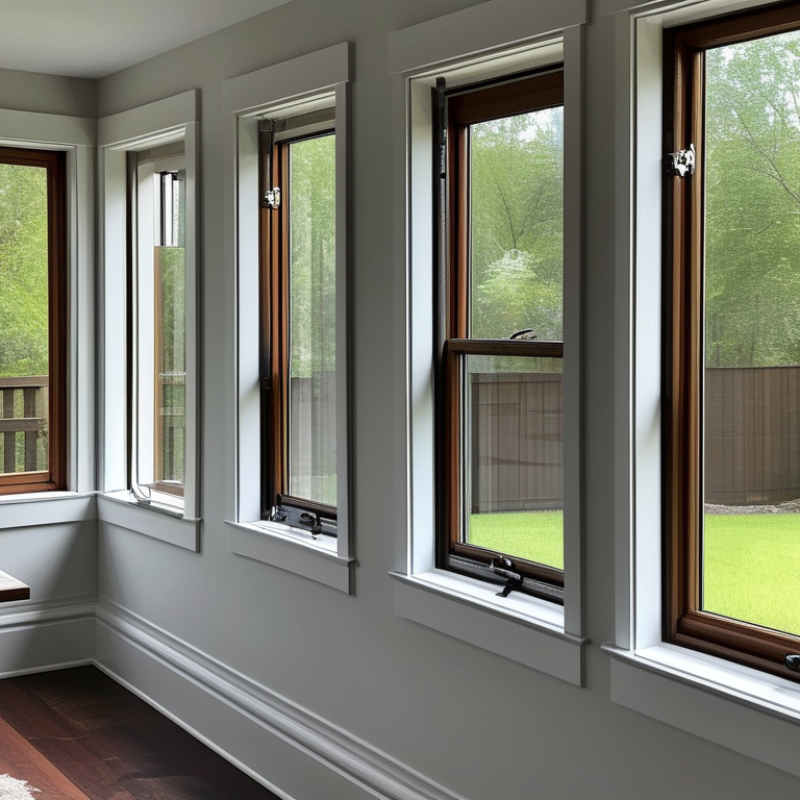
How to Compare Window Frame Materials for Your Next Purchase?

Understanding Different Window Frame Materials

When considering window frame materials, it's essential to understand the most common options: wood, vinyl, aluminum, and fiberglass. Each type has unique benefits and drawbacks. According to the American Architectural Manufacturers Association, energy efficiency is a critical factor. Vinyl frames, for instance, offer excellent insulation. They can reduce heating costs by up to 25%. In contrast, wood frames provide a natural aesthetic that many homeowners love, but they require regular maintenance.

[Image Placeholder] Wood can warp or rot if not properly cared for. On the other hand, aluminum frames are strong and durable but may conduct heat, affecting energy efficiency. Fiberglass frames are an emerging option. They boast incredible strength and resistance to the elements. Recent studies suggest that fiberglass windows can outperform wood and vinyl in longevity.

Tips: Always check energy ratings before making your decision. This will help you select the best material for your climate. Look for local suppliers who can provide insights into which materials work best in your area. Don't underestimate the importance of installation; even the best materials can fail if not correctly fitted.

Evaluating Durability and Weather Resistance

When choosing window frame materials, durability and weather resistance should be top priorities. Wooden frames may offer aesthetic appeal but often require regular maintenance. They can warp, swell, or rot when exposed to moisture. Steel frames are strong but susceptible to rust without proper coating. Vinyl frames resist cracking and fading, making them a popular choice in various climates.

Tips: Consider local weather patterns when selecting materials. If rain is common, avoid wood unless treated. In sunny areas, vinyl may better withstand UV rays.

Another critical factor is insulation. Well-insulated frames can make your home more energy-efficient. Look for materials that have energy ratings. An insulated frame can prevent drafts and help reduce energy bills. Remember, different climates impact material performance.

Tips: Test materials in your environment. Observe how they hold up against local weather. Research each option to ensure you make the best choice.

Analyzing Energy Efficiency and Insulation Properties

When considering window frame materials, energy efficiency is crucial. Studies show that vinyl frames can provide a thermal efficiency rating of up to 0.25 U-value. Comparatively, fiberglass frames can be as low as 0.19 U-value. This means fiberglass is better at minimizing heat transfer. However, vinyl is often favored for its lower cost and maintenance needs. Homeowners must weigh initial investment against long-term savings.

Insulation properties also vary. Wood frames are naturally insulating, but they require regular maintenance to prevent warping and deterioration. On the other hand, metal frames, such as aluminum, are less energy-efficient due to their heat conductivity. The National Fenestration Rating Council (NFRC) reports that metal frames often achieve U-values around 0.45. This can lead to higher energy costs over time.

Testing insulation performance can reveal important insights. It is recommended to evaluate the R-values and U-values of materials. R-value measures resistance to heat loss, while U-value indicates heat transfer. Effective frames efficiently balance these values. Furthermore, energy audits can help assess the impact of window frame choice on overall home efficiency. Understanding these concepts can lead to informed purchasing decisions.

Considering Aesthetic Appeal and Design Options

When selecting window frame materials, it's essential to focus on aesthetic appeal and design options. A well-chosen frame enhances your home's overall appearance. It can reflect your style and the architectural design of your home. Materials like wood offer a classic, warm look. Aluminum provides a sleek, modern aesthetic. Vinyl frames can be a cost-effective choice, with various colors and styles to fit different designs.

Here are some tips to consider: Choose a color that complements your home’s exterior. A bold color can make a statement, while neutral shades can blend seamlessly. Remember that textures matter too. Smooth, painted finishes and natural wood grains can impact your home's vibe differently.

Consider how each material interacts with light. For example, darker frames absorb heat, while lighter colors reflect it. Understand how these choices affect energy efficiency. Don't overlook maintenance needs, as they can alter the visual appeal over time. You might find you love a certain style initially, but it may require more upkeep than expected. Reflect on how your choices resonate with your home's overall aesthetic.

Budgeting for Window Frame Materials: Cost vs. Value

When budgeting for window frame materials, it's essential to weigh both cost and value. The initial price can be tempting but consider long-term benefits. For example, vinyl frames usually cost less upfront. However, they may need replacement sooner than expected. Their short lifespan can lead to higher costs over time.

Wood frames offer beauty and durability but can demand a higher price. They’re often more energy-efficient. Yet, maintenance can add up. Water damage is a risk. This can make choosing between aesthetics and your budget tough. Metal frames, like aluminum, are another option. They’re durable and secure but might not provide good insulation.

Think about overall expenses, including installation. Sometimes, cheaper options can end up costing you more. It pays to research longevity and maintenance requirements. Will you be willing to invest in repairs later? Balancing immediate needs with future costs can be challenging.

How to Compare Window Frame Materials for Your Next Purchase? - Budgeting for Window Frame Materials: Cost vs. Value

Material Type Average Cost per Unit Durability (years) Energy Efficiency (Rating) Maintenance Level
Vinyl $200 20 High Low
Aluminum $300 30 Medium Medium
Wood $400 15 Low High
Fiberglass $350 30 High Low
Composite $450 25 High Medium

FAQS

: What is the thermal efficiency rating of vinyl frames?

: Vinyl frames can achieve a thermal efficiency rating of up to 0.25 U-value.

How do fiberglass frames compare in energy efficiency?

Fiberglass frames can have a lower U-value, around 0.19, which minimizes heat transfer better.

What are the insulation properties of wooden frames?

Wood frames are naturally insulating but need regular maintenance to avoid warping over time.

Are metal frames energy efficient?

Metal frames, like aluminum, are less efficient, often reaching U-values of around 0.45.

How can one assess window frame insulation performance?

Evaluate R-values for heat resistance and U-values for heat transfer to measure insulation performance.

Why is aesthetic appeal important when choosing window frames?

A well-chosen frame enhances your home’s appearance and reflects your personal style.

What should I consider in frame colors?

Choose colors that complement your home’s exterior; bold colors make statements, while neutrals blend in.

How do textures impact the overall look of window frames?

Smooth finishes create a different vibe than natural wood grains, affecting visual appeal significantly.

Can frame material affect energy efficiency based on light interaction?

Yes, darker frames absorb heat, while lighter colors reflect it, impacting your home's energy efficiency.

How do maintenance needs influence frame selection?

Some styles require more upkeep than expected, which can alter their visual appeal over time.

Conclusion

When considering a new window frame purchase, it’s essential to understand how to compare different window frame materials effectively. Start by evaluating the durability and weather resistance of various options, as this will determine how well they perform against the elements over time. Next, analyze the energy efficiency and insulation properties of each material, which can significantly impact your home's heating and cooling costs.

Additionally, consider the aesthetic appeal and design options available for each type of frame, ensuring it complements your home's overall look. Finally, budget considerations are crucial; weigh the cost of each material against its long-term value to make an informed choice that balances quality and affordability. By following these steps, homeowners can make educated decisions that meet their needs and preferences.

Isabella

Isabella

Isabella is a dedicated marketing professional with a sharp focus on driving brand growth and engagement through strategic content creation. With an extensive background in digital marketing, she combines her passion for storytelling with her keen understanding of industry trends to deliver......