In extreme weather conditions, selecting the right windows is crucial. According to a report by the Window and Door Manufacturers Association, windows account for up to 30% of a building's energy loss. This highlights the importance of how to select windows for extreme weather conditions. Energy-efficient windows minimize heat loss, providing comfort and reducing heating costs.
High-performance windows can withstand strong winds, heavy rain, and freezing temperatures. The National Fenestration Rating Council (NFRC) states that choosing windows with appropriate ratings can significantly enhance durability. However, not all homeowners consider this factor, leading to potential damage and increased maintenance.
Ultimately, the decision to invest in high-quality windows is essential for long-term resilience. A professional assessment can guide you through the selection process. It’s important to reflect on your unique climate challenges. Making informed choices can save you from future regrets and costs.
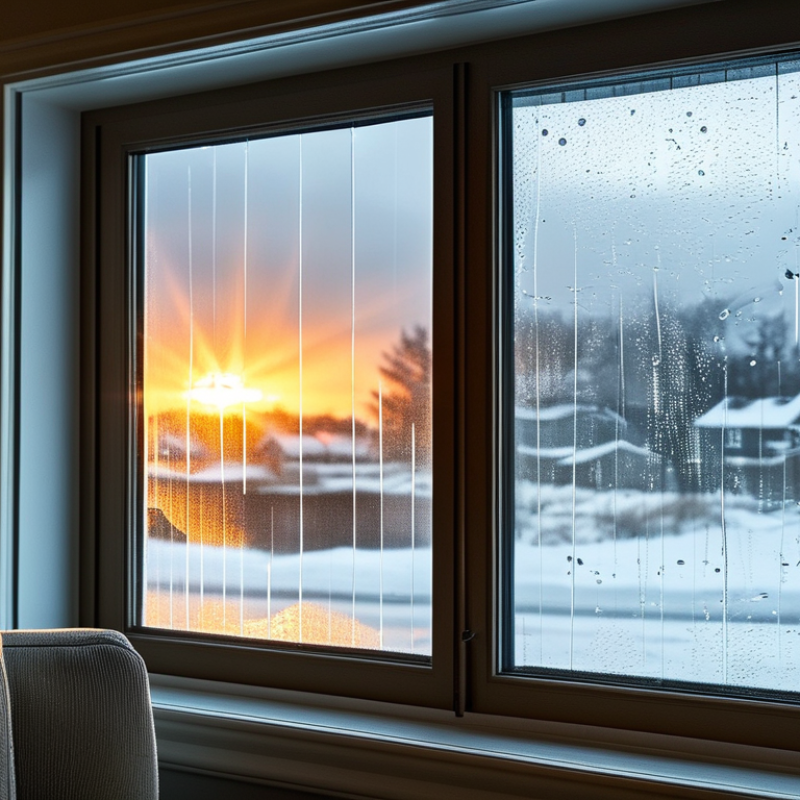
Windows play a pivotal role in ensuring resilience during extreme weather events. Their design allows for effective energy insulation, which stabilizes indoor temperatures against harsh elements outside. Properly insulated windows reduce drafts, keeping homes warmer in winter and cooler in summer. This is particularly important in areas prone to temperature fluctuations.
Moreover, quality windows often feature multi-layered glass, enhancing their strength against hail or debris during storms. The impact resistance of these windows can prevent breakage, safeguarding your home and its contents. By using durable materials and modern technology, windows can withstand wind loads and other stresses. However, not all products offer the same benefits. It’s essential to do thorough research and seek expert advice.
Yet, not every installation guarantees performance. Mistakes during installation can undermine even the best window types. Homeowners should consider hiring professionals with experience in extreme conditions. Regular checks are necessary as well. Seals can wear or become compromised over time. Addressing these issues early can vastly improve the overall resilience of windows in challenging climates.
When choosing windows for extreme weather conditions, selection matters greatly. Certain types of windows stand out for their durability and insulation properties. Hurricane-rated windows are designed specifically for high winds and debris impact. They feature reinforced frames and double or triple glazing, which offer better protection.
For areas with heavy snowfall or extreme cold, triple-pane windows prove beneficial. The additional layers of glass create superior insulation. This design reduces heat loss, keeping homes warm. Another option is low-E glass, which reflects heat during summer and retains warmth in winter. This versatility is crucial for adapting to seasonal changes.
Additionally, impact-resistant windows can help in areas prone to severe storms. They typically include a layer of polyvinyl butyral (PVB) that holds glass shards together, minimizing damage during impacts. While these options are more expensive upfront, they can save money on repairs later. Choosing the right window for your environment requires thoughtful consideration of both material and specific needs.
| Window Type | Material | Energy Efficiency Rating | Weather Resistance | Average Cost (per unit) |
|---|---|---|---|---|
| Vinyl Windows | Vinyl | A | Excellent | $300 |
| Fiberglass Windows | Fiberglass | A+ | Superior | $500 |
| Aluminum Windows | Aluminum | B | Good | $250 |
| Wood Clad Windows | Wood with Cladding | A | Very Good | $600 |
| Triple-Pane Windows | Various | A++ | Exceptional | $800 |
When it comes to extreme weather, the insulation properties of windows are crucial. Effective insulation helps keep homes warm during winter and cool in summer. It acts as a barrier, reducing the transfer of heat. Quality windows can minimize energy loss significantly, lowering heating and cooling costs.
Poor insulation often results in discomfort. Drafts can creep in, undermining the effectiveness of your HVAC system. When selecting windows, inspect their thermal performance ratings. Look for double or triple glazing, as they provide superior insulation. The frame material also matters; vinyl and fiberglass offer better energy efficiency compared to aluminum.
In extreme climates, insulated windows enhance indoor comfort. They can dramatically reduce condensation, which might lead to mold growth. However, not all windows perform the same in any condition. It's essential to consider local weather patterns. Over time, even the best windows may require replacement to maintain efficiency. Understanding these nuances can guide homeowners in making informed decisions.
When selecting windows for extreme weather, materials play a critical role. The right materials can significantly enhance your home's resistance to harsh conditions. According to the American Society of Testing and Materials (ASTM), high-quality vinyl frames can withstand temperatures ranging from -40°F to 140°F. This durability is essential in regions facing severe temperature fluctuations.
Furthermore, insulated glass technologies have advanced significantly. Low-emissivity coatings improve energy efficiency and protect interiors from UV damage. A report by the National Renewable Energy Laboratory (NREL) indicates that triple-glazed windows can reduce heat loss by up to 50% compared to single-pane alternatives. This statistic highlights the effectiveness of modern materials in minimizing energy costs during extreme weather conditions.
However, the choice of window material is not without challenges. Some materials may degrade faster in intense sunlight or thermal cycles. For instance, wooden frames can warp and require regular maintenance. Thus, considering the long-term implications of material choices is crucial for ensuring sustained performance and reliability. Evaluating options with an eye towards durability could lead to better outcomes in weather resilience.
When considering windows for extreme weather conditions, installation plays a crucial role. Selecting windows designed and tested for harsh climates is essential. According to the U.S. Department of Energy, properly installed energy-efficient windows can reduce heating bills by up to 30%. This means the right choice can pay off significantly in long-term energy savings.
The installation process must account for various factors, including framing materials and sealing methods. Research from the National Renewable Energy Laboratory indicates that improper installation can compromise window performance by as much as 40%. Factors like air leaks and inadequate insulation can lead to temperature fluctuations inside your home. It's important to prioritize high-quality weather-stripping and proper flashing techniques.
Another critical consideration is local building codes. These regulations often stipulate standards for window performance in extreme weather. For instance, areas prone to hurricanes may require impact-resistant glazing, while colder climates need triple-pane options. Understanding these specific requirements can ensure the safety and longevity of your windows. Addressing these installation considerations can make a significant difference in your home’s resilience to extreme weather.
: Windows provide energy insulation, stabilizing indoor temperatures against harsh outside conditions.
Well-insulated windows reduce drafts, keeping homes warmer in winter and cooler in summer, thus lowering energy costs.
Hiring experienced professionals is crucial to ensure proper installation and maximize window performance.
Multi-layered glass increases impact resistance, protecting homes from hail or debris during storms.
Triple-pane windows are effective for extreme cold, providing superior insulation and reducing heat loss.
Over time, window seals can wear, compromising efficiency. Early repairs can improve performance significantly.
Low-E glass reflects heat in summer and retains warmth in winter, ensuring comfort throughout the year.
Yes, inadequately insulated windows can cause drafts, reducing HVAC efficiency and indoor comfort.
No, window performance varies by type and local weather patterns, requiring careful selection based on needs.
Quality windows may have a higher initial cost but can save money on repairs in the long run.
Choosing the right windows is crucial for ensuring resilience in extreme weather conditions. Understanding the benefits of windows designed for harsh environments, such as enhanced insulation properties that aid temperature control, can significantly impact your home's comfort and energy efficiency. Key types of windows suitable for severe weather include those made with specialized materials that enhance weather resistance and durability.
When considering how to select windows for extreme weather conditions, it is essential to evaluate the insulation properties, impact of materials, and necessary installation techniques to maximize effectiveness. Proper installation plays a vital role in maintaining the integrity of windows against harsh weather, ensuring longevity and optimal performance. By focusing on these elements, homeowners can make informed decisions that safeguard their properties against severe environmental factors.

Nova Panel