10 Best Differences Between UPVC and Aluminum Windows?

Time:2026-06-13 Author:Sienna
0%

When considering window choices, homeowners often ask, "what is the difference between UPVC and aluminum windows?" This inquiry is not just common; it reflects a significant trend in home improvement decisions. According to a recent report from the Fenestration and Glazing Industry Alliance, the demand for energy-efficient and durable window materials has surged by 30% over the past five years. This highlights the importance of understanding your options.

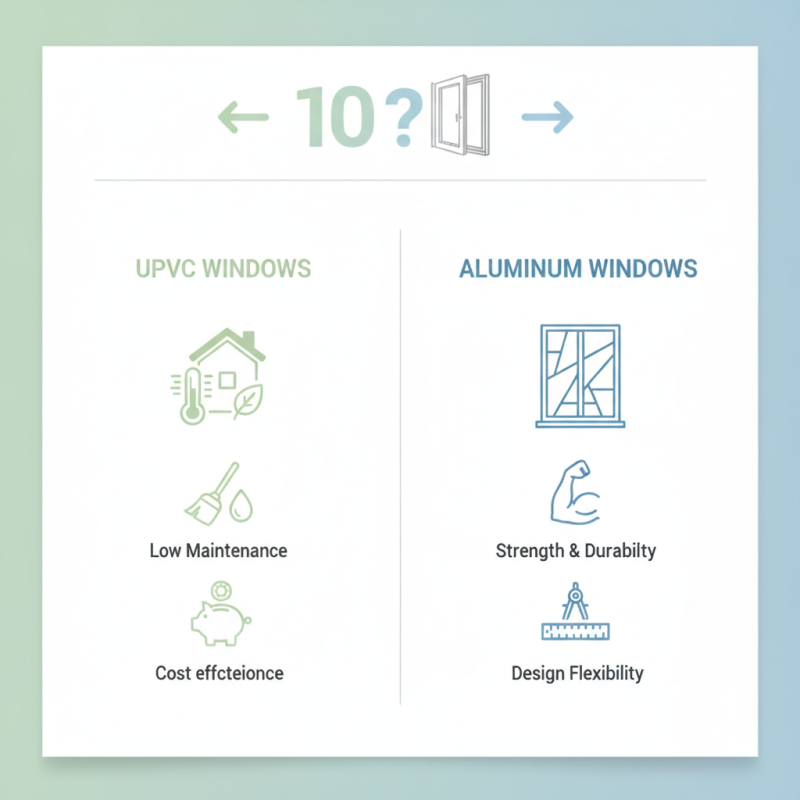
UPVC windows offer notable benefits, including superior thermal insulation and low maintenance, making them an economical choice for many. In contrast, aluminum windows stand out for their strength and aesthetic appeal. A survey conducted by the Window and Door Manufacturers Association indicated that over 40% of homeowners prefer aluminum for modern designs.

Understanding the nuances between these materials is crucial. Both types have their pros and cons that require careful consideration. While UPVC might excel in energy efficiency, aluminum could provide better versatility in design. This exploration into the differences will help clarify the best choice based on individual needs and preferences.
10 Best Differences Between UPVC and Aluminum Windows?

Key Material Properties: UPVC vs Aluminum Windows

When choosing between UPVC and aluminum windows, material properties play a crucial role. UPVC, or unplasticized polyvinyl chloride, is known for its excellent insulation properties. It helps maintain indoor temperatures, contributing to energy efficiency. This is particularly beneficial in colder climates, where heat retention is critical. In contrast, aluminum offers strength and durability. It is resistant to warping and does not rust, making it ideal for areas with harsh weather conditions.

The appearance of these materials also differs significantly. UPVC windows come in various colors and finishes but may fade over time. Aluminum windows, on the other hand, maintain their color and finish longer, providing a sleek, modern look. However, they can get quite hot in direct sunlight. It's worth noting that both materials have unique advantages and disadvantages, which can be influenced by personal preferences and local conditions.

Maintenance is another aspect to consider. UPVC generally requires less upkeep, as it does not need repainting. Yet, it may develop discoloration with exposure to the sun. Aluminum windows do require occasional cleaning and can benefit from a protective coating. Understanding these properties can help homeowners make informed decisions when selecting windows that meet their needs.

Thermal Efficiency Comparison of UPVC and Aluminum Frames

When comparing the thermal efficiency of UPVC and aluminum window frames, UPVC often comes out on top. UPVC frames provide superior insulation. They restrict heat transfer far better than aluminum. This feature helps maintain consistent indoor temperatures, reducing energy consumption.

Aluminum frames, while strong and durable, conduct heat. They may have thermal breaks, but they are still less efficient. This can lead to increased heating and cooling costs. Homeowners may need to consider these factors when making a choice.

**Tip:** Choose triple-glazed glass for better thermal performance. This can significantly enhance insulation.

Another consideration is the overall maintenance. UPVC frames typically require less upkeep than aluminum. They resist corrosion and do not need regular painting. However, UPVC can discolor over time, a point to ponder.

**Tip:** Regularly clean your frames to maximize their lifespan. This simple task can save you money in the long run.

Cost Analysis: Initial Investment vs Long-Term Value

When choosing between UPVC and aluminum windows, cost plays a crucial role. UPVC windows are generally less expensive to install. Their initial costs can be appealing to many homeowners. However, long-term value should not be overlooked. UPVC windows might need replacement or repairs sooner than their aluminum counterparts. This can lead to higher long-term expenses.

Aluminum windows may require a larger upfront investment. They offer enhanced durability and resistance to the elements. This means that with proper maintenance, they can last significantly longer. The long-term value becomes more evident when considering energy efficiency. Aluminum windows, equipped with the right thermal breaks, can lower heating and cooling costs. This translates to savings over the years that can offset the higher initial price.

In evaluating these two options, homeowners should consider not only the initial costs but the potential long-term savings. Investing in aluminum may seem daunting at first. Yet, it can provide peace of mind. Always factor in how often you plan to maintain or replace windows. This thought process is key in making the right decision for your home.

Durability and Maintenance Requirements for Both Window Types

When comparing UPVC and aluminum windows, durability and maintenance are key factors. UPVC windows are known for their resistance to rot, rust, and corrosion. According to a report by the Building Research Establishment, UPVC can last over 30 years with minimal upkeep. They require cleaning with soap and water, making them user-friendly.

Aluminum windows, on the other hand, are strong and lightweight. They can withstand harsh weather conditions but may need regular maintenance to prevent rust. The Aluminum Association states that powder-coated finishes can last up to 20 years. Over time, the finish might wear, requiring touch-ups or repainting.

Both materials have their pros and cons. UPVC does not require painting and maintains its color longer. However, it can become brittle in extreme temperatures. Aluminum windows offer a modern aesthetic and can be highly customizable, but they can be prone to denting. Building owners should weigh these factors based on their specific climate and maintenance capabilities.

Aesthetic Flexibility: Design Options in UPVC and Aluminum Windows

UPVC and aluminum windows offer different aesthetics that cater to varying architectural styles. UPVC windows provide a range of colors and finishes, allowing homeowners to match their designs seamlessly. In contrast, aluminum windows bring a modern appeal with sleek lines and minimalistic frames. According to a report by the Fenestration and Glazing Industry Alliance, homeowners often prefer aluminum for its contemporary appearance and greater color retention.

Aluminum windows can also be customized with finishes like anodizing and powder coating. These options enhance durability and resist fading. On the other hand, UPVC windows offer a softer look that complements traditional homes. They can mimic wood finishes, which adds charm but may not suit every modern setting.

Tip: Consider the architectural style of your home before choosing window materials. If your home leans towards traditional, UPVC might be the better fit. For modern designs, aluminum could elevate the appeal.

Both materials have pros and cons. UPVC is typically more affordable but can warp over time in extreme temperatures. Aluminum is generally stronger but might require a higher budget. Weigh these factors carefully based on your priorities.

10 Best Differences Between UPVC and Aluminum Windows

Feature UPVC Windows Aluminum Windows
Material Made from unplasticized polyvinyl chloride Made from aluminum alloy
Weight Lighter than aluminum Heavier material
Energy Efficiency High insulation properties Requires thermal breaks for insulation
Maintenance Low maintenance, no painting required Requires regular maintenance and painting
Durability Lifespan of 20-30 years Lifespan of 30-40 years
Color Options Available in various colors Manufactured in a wide range of colors
Cost Generally more affordable Relatively higher investment
Fire Resistance Good fire resistance Excellent fire resistance
Aesthetics Smooth finish, can mimic wood Modern look with sleek lines
Environmental Impact Recyclable materials Highly recyclable, eco-friendly option

FAQS

: What is the main advantage of UPVC windows?

: UPVC windows have excellent insulation properties, helping to maintain indoor temperatures and increase energy efficiency.

How do aluminum windows perform in harsh weather?

Aluminum windows are resistant to warping and rust, making them suitable for harsh weather conditions.

Do UPVC windows fade over time?

Yes, UPVC windows may fade with prolonged exposure to sunlight, which is a disadvantage.

What is the maintenance requirement for UPVC windows?

UPVC windows generally require less maintenance, needing just soap and water for cleaning.

How do aluminum windows compare in terms of thermal efficiency?

Aluminum windows are less thermally efficient, often leading to higher heating and cooling costs due to heat conduction.

Can aluminum windows be customized?

Yes, aluminum windows offer a modern aesthetic and are highly customizable in style and finish.

What issue can UPVC windows face in extreme temperatures?

UPVC can become brittle when exposed to extreme temperatures, which might lead to cracking.

How long does the finish on aluminum windows last?

A powder-coated finish on aluminum windows typically lasts around 20 years before needing touch-ups.

Why should homeowners consider triple-glazed glass?

Triple-glazed glass significantly enhances insulation, improving thermal performance in homes.

Is regular cleaning important for window longevity?

Yes, regular cleaning maximizes the lifespan of both UPVC and aluminum frames, saving money in the long run.

Conclusion

When exploring what is the difference between UPVC and aluminum windows, several key factors come into play. The material properties of both window types highlight their unique characteristics, with UPVC offering excellent insulation and noise reduction, while aluminum is known for its strength and lightweight nature. In terms of thermal efficiency, UPVC windows generally outperform aluminum frames due to their better insulation capabilities, which helps in energy conservation.

Cost analysis reveals that while UPVC windows typically require a lower initial investment, aluminum windows may provide greater long-term value due to their durability and minimal maintenance requirements. The aesthetic flexibility of both materials allows for a range of design options, catering to various architectural preferences. Understanding these differences can guide homeowners in making informed decisions based on their specific needs and priorities.

Sienna

Sienna

Sienna is a skilled marketing professional with a deep expertise in our company’s core products and services. With a passion for innovation and detail, she plays a pivotal role in crafting insightful blog posts that not only highlight the unique features of our offerings but also provide valuable......