Do uPVC Windows Increase Property Value in 2026?

Time:2026-11-12 Author:Liam
0%

A new set of uPVC windows can make a home warmer, quieter, and more appealing from the street. But do upvc windows increase property value? The honest answer depends on the property, local buyer expectations, and the condition of the existing windows. Replacing draughty, damaged frames may remove a clear objection during viewings. Replacing serviceable windows may produce a much smaller return.

Industry data offers a useful benchmark, not a promise. Zonda’s 2024 Cost vs. Value report estimated that U.S. homeowners recouped about 67% of the cost of a vinyl window replacement at resale. That figure concerns a U.S. project category, not every uPVC installation or housing market. It also measures estimated resale value, not guaranteed sale proceeds. A local valuation can differ sharply.

Details matter. Buyers notice misted panes, stiff handles, peeling seals, and cold spots beside a window. A tidy installation, credible product specifications, and clear warranty records can help reassure them. Energy performance matters, too, but savings depend on the old windows, glazing, installation quality, and household use. Not every new frame transforms a property. That distinction is easy to overlook. This guide examines what the available evidence can—and cannot—tell homeowners planning a 2026 sale. It also considers how appearance, comfort, and local market conditions shape the likely value impact.
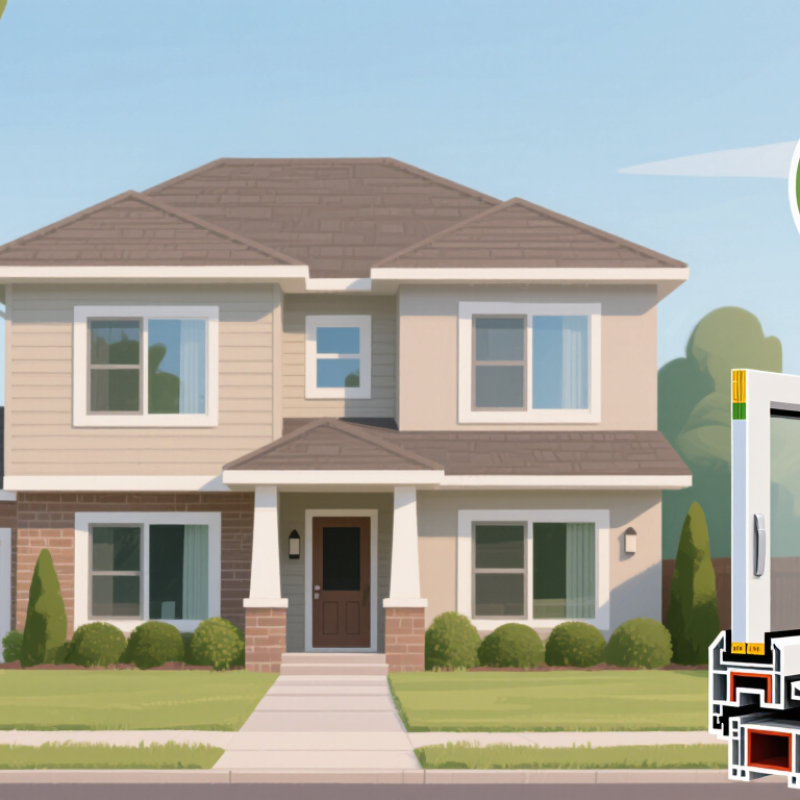
Do uPVC Windows Increase Property Value in 2026?

What uPVC Windows Are and How They Differ from Other Window Types

uPVC stands for unplasticized polyvinyl chloride. It is a rigid plastic commonly used for window frames and opening sections. Unlike flexible PVC, it is not formulated with plasticizers to make it bend easily. Frame profiles often contain hollow chambers that help slow heat transfer. The glass, seals, locks, and installation also affect how the finished window performs.

Compared with timber, uPVC generally needs less routine painting, though its appearance may feel less natural. Timber can be repaired and refinished, but it may need more upkeep. Aluminum is strong and can support slimmer frames, while uPVC profiles are often bulkier. That difference is easy to miss in product photos. Look at a real sample beside the wall and trim.

A uPVC window is a system, not just a frame. Poor fitting can leave drafts, even when the profile itself is well made. Glass specification matters, too: double or triple glazing can change insulation and noise performance. For buyers in 2026, material alone is unlikely to determine property value. Condition, installation quality, energy performance, and local buyer preferences all play a part. These details are not always obvious during a quick viewing.

How uPVC Windows Can Affect a Property’s Value

Do uPVC Windows Increase Property Value in 2026?

How uPVC Windows Can Affect a Property’s Value

uPVC windows can support a property’s value, but they rarely add a predictable amount on their own. Buyers notice practical details: frames that look clean, hinges that open smoothly, and seals that keep out draughts on a windy day. Better insulation may also make rooms feel more comfortable and reduce heat loss. Not automatically.

The effect depends on the home and its local market. Replacing cracked, misty, or difficult-to-open windows may remove a visible concern during viewings. In a well-maintained property with newer windows already in place, the upgrade may matter much less. Buyers may care more about the roof, layout, or nearby comparable sales.

Workmanship counts. Poor fitting can leave gaps, cause condensation problems, or make even new frames feel disappointing. Keep records of the installation and product specifications, so buyers can understand what was changed. Details matter.

A realistic valuation should consider the windows alongside the property’s overall condition, energy performance, and local demand. It is easy to overstate the return: improved comfort and presentation can help a sale, but they do not guarantee a higher offer.

Property and Installation Factors That Influence Their Value

Do uPVC Windows Increase Property Value in 2026?

A uPVC window upgrade can support resale value, but the return depends on the property and the installation. Remodeling magazine’s 2024 Cost vs. Value report estimated a 67.1% cost recoup for a US vinyl-window replacement project. That is a national estimate, not a promise for every home. Local buyer expectations, comparable sales, and the number of windows replaced all matter. In a modest home, replacing visibly damaged frames may make more sense than upgrading every window.

Installation quality is just as important as the frame material. Poor sealing can leave drafts, invite moisture, and undermine the improvement. Check that installers measure each opening accurately, insulate gaps, and finish interior and exterior trim cleanly. Details matter. A smooth opening, quiet latch, and dry sill tell buyers more than a sales claim. ENERGY STAR estimates that certified windows can reduce energy bills by about 12% on average when replacing single-pane windows, but savings vary with climate, home design, and usage. They do not translate automatically into a higher sale price.

Before committing, compare quotes with recent local sales and inspect the existing windows for leaks, rot, and difficult operation. Keep product specifications, warranties, and installation records for future buyers. I would be cautious about treating the upgrade as a guaranteed profit; even a well-fitted window cannot fix poor insulation elsewhere or an overheated asking price.

How Buyers and Appraisers May Assess uPVC Windows in 2026

In 2026, buyers and appraisers are unlikely to treat uPVC windows as an automatic price premium. They will look at condition, installation quality, energy performance, and nearby comparable sales. Clean frames, smooth-opening sashes, intact seals, and clear glass make a stronger impression than a product label alone. Small details matter. A draft near the sill can undermine claims of efficiency.

JLC’s 2024 Cost vs. Value report estimated that a typical vinyl-window replacement recouped about 67% of its project cost at resale. That figure is a broad benchmark, not a guaranteed return for uPVC or any individual home. The U.S. Department of Energy estimates that heat gain and loss through windows account for about 25–30% of residential heating and cooling energy use. Buyers may therefore ask about glazing, frame condition, and utility bills, while appraisers consider whether similar local homes support a value adjustment. A mistake is assuming every replaced window adds its full cost to an appraisal. It may not. Keep invoices, product specifications, and installation records; they give buyers concrete evidence, though local market response can still vary.

Do uPVC Windows Increase Property Value in 2026?

What buyers and appraisers may consider when assessing uPVC windows

There is no universal, established price premium for uPVC windows. Buyers and appraisers may consider their condition, installation records, energy performance, and how the home compares with similar local properties. The chart is a checklist: 1 means an item may be considered, not that it adds a specific amount of value.

Costs, Energy Performance, and Maintenance to Consider Before Installing Them

Before ordering uPVC windows, compare the full installed price, not just the frame quote. Include removal, disposal, trim repairs, and any changes needed around the openings. Costs vary with window size, glazing, access, and local labour. A cheap quote can leave gaps. That matters.

Energy performance depends on more than the material. Look for whole-window U-values, airtight seals, suitable glazing, and careful fitting. In colder rooms, better seals may reduce draughts; in sunny spaces, solar gain can affect comfort. Ask installers how they handle condensation and ventilation, especially in older homes. Less heat loss is not automatic. Actual savings depend on existing windows, heating habits, and weather.

Maintenance is usually straightforward: wash frames with mild soapy water and check hinges, seals, and drainage channels. Harsh cleaners or neglected drainage can shorten service life. For resale, buyers may value lower upkeep and improved comfort, but no window type guarantees a higher sale price. It is easy to overestimate that benefit. Local demand, installation quality, and the home’s condition matter more. Keep itemised quotes, product specifications, and installation records; they help future buyers understand what was fitted.

FAQS

What does uPVC mean?

It means unplasticized polyvinyl chloride, a rigid plastic used for window frames. Hollow chambers can slow heat transfer.

How does uPVC compare with timber and aluminum?

It usually needs less painting than timber, but may look less natural. Aluminum can support slimmer frames. Check a sample in person.

Do uPVC frames alone determine window performance?

No. Glass, seals, locks, and installation all matter. A poor fit can still cause draughts.

What should I compare in window quotes?

Compare the full installed price, including removal, disposal, and trim repairs. A low frame quote may exclude important work.

How can I assess energy performance?

Check whole-window U-values, airtight seals, glazing, and fitting quality. Savings vary with existing windows, heating habits, and weather.

What maintenance do uPVC windows need?

Wash frames with mild soapy water. Check hinges, seals, and drainage channels. Avoid harsh cleaners.

Can these windows reduce condensation?

Ask how the installer manages ventilation and condensation, especially in older homes. Better seals alone may not solve every issue.

Will uPVC windows increase resale value?

They may appeal to buyers seeking comfort and lower upkeep, but no window type guarantees a higher sale price. I would not overstate that benefit; local demand is hard to predict.

What records should I keep after installation?

Keep itemised quotes, product specifications, and installation records. They help future buyers see what was fitted.

Conclusion

Do uPVC windows increase property value? They can support a home’s appeal by improving insulation, reducing drafts, and offering a clean, low-maintenance finish. Compared with timber or aluminium options, uPVC frames are often chosen for their practical upkeep and potential energy benefits, though the effect on value depends on the property and local buyer expectations. New, well-fitted windows may make a home feel more comfortable and move-in ready, but they do not guarantee a higher sale price.

Their value impact depends on factors such as the age and condition of the property, the quality of the installation, the style and condition of existing windows, and the likely cost of future repairs. Buyers and appraisers may consider appearance, performance, remaining lifespan, and whether the windows suit the home. Before installing them, owners should weigh upfront costs against potential energy savings and reduced maintenance, while choosing a design that complements the property.

Liam

Liam

Liam is a dedicated marketing professional with a profound expertise in the industry, where he excels at highlighting the unique advantages of our core products. With a keen understanding of market trends and consumer needs, Liam frequently updates our company’s professional blog, providing......