uPVC windows are often treated as maintenance-free. They are not. Dust gathers in frame corners, drainage channels clog with leaves, and stiff handles can signal that something needs attention. Knowing how to maintain upvc windows properly helps preserve smooth operation and spot small problems before they become costly repairs. A soft cloth, warm water, and mild soap are usually a sensible starting point. Avoid abrasive pads and harsh solvents, which can scratch or damage some finishes.
This guide covers practical checks for frames, glass, seals, hinges, locks, and drainage openings. It also explains how often to clean, what warning signs to watch for, and when a qualified window professional may be needed. Advice can vary by product, so check the manufacturer’s care instructions before applying cleaners or lubricants. A blocked drain may look minor. It still deserves attention.
No verified, named expert quotation was supplied with the source material, so I will not invent one. That matters: reliable maintenance advice should be traceable, not merely sound confident. Even careful owners miss a corner now and then. A quick seasonal inspection can help, but it cannot replace professional assessment of cracked frames, failed seals, or persistent operating problems.
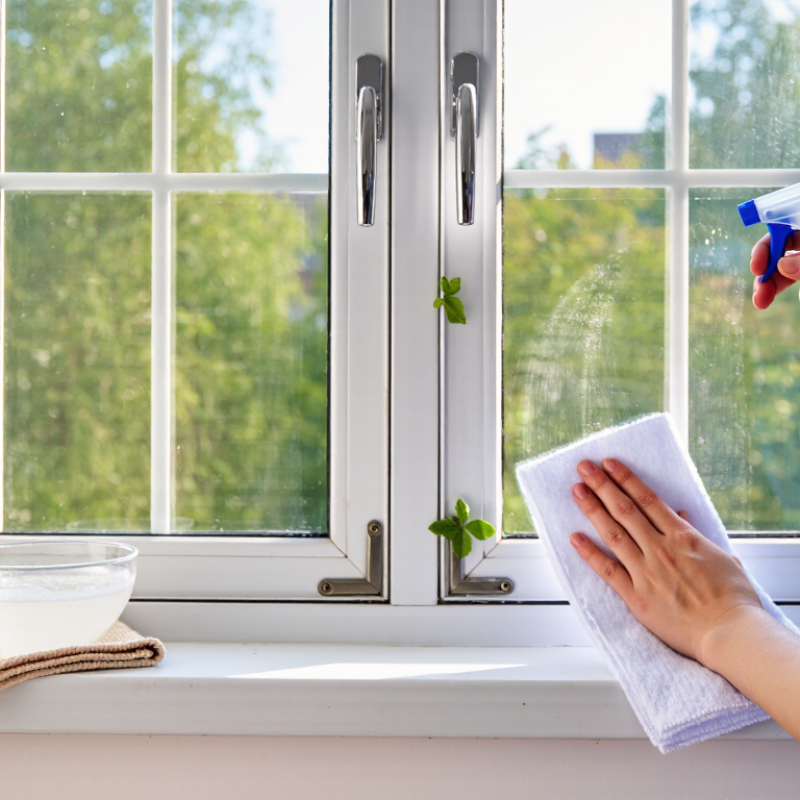
uPVC windows are easy to care for, but they still need regular attention. Dust and grit collect along the frame edges and can make opening a window feel stiff. Wipe the frames with warm water, a little mild soap, and a soft cloth. Rinse away soap residue, then dry the surface to avoid streaks. Avoid scouring pads and strong solvents; they can scratch or dull the finish. Keep it gentle.
Clean the tracks with a small brush or vacuum attachment, especially near the corners where leaves and dust gather. Check that drainage openings are clear, so rainwater can escape instead of pooling in the frame. Inspect the rubber seals for cracks or gaps, and wipe them clean with a damp cloth. I used to overlook the tracks because they looked clean from above; a closer look often proved otherwise. If hinges or locks feel stiff, use a lubricant suitable for window hardware and follow the window maker’s care guidance. Do not force a handle that sticks. A seasonal check takes only a few minutes, and it can reveal small problems before they become harder to fix.
| Care Area | Recommended Action | Suggested Frequency | Helpful Note |
|---|---|---|---|
| Frame cleaning | Wash frames with warm water and a small amount of mild household detergent, using a soft cloth or sponge. | Every 3–6 months, or as needed | Rinse with clean water and dry with a soft cloth. Avoid abrasive pads and harsh cleaners. |
| Glass cleaning | Clean the glass with water and a suitable, non-abrasive glass cleaner. | As needed | Use a clean, soft cloth to reduce the risk of scratching the glass or leaving residue. |
| Drainage channels and weep holes | Remove leaves, dust, and other debris from the drainage channels and visible weep holes. | Every 3–6 months and after heavy debris buildup | Use a soft brush or cloth. Do not push sharp objects into the drainage openings. |
| Weather seals | Wipe seals gently with a damp cloth and check for dirt, cracks, looseness, or flattening. | Every 6 months | Keep seals clean and unobstructed. Seek repair if a seal is damaged or no longer sits properly. |
| Hinges and moving hardware | Remove dust and apply a small amount of lubricant suitable for window hardware, if recommended for the fitting. | About once a year, or if movement becomes stiff | Follow the hardware maker’s guidance. Avoid excess lubricant and keep it off glass and seals. |
| Handles and locks | Check that handles operate smoothly and that locks engage without forcing. | Every 6 months | If a handle or lock sticks, check for dirt or misalignment. Do not force the mechanism. |
| Opening and closing | Open and close each window gently, checking for rubbing, unusual noise, or resistance. | Every 6 months | Persistent binding may indicate that adjustment or professional inspection is needed. |
| Stubborn marks | Try mild detergent and a soft cloth first; repeat gently rather than scrubbing aggressively. | As needed | Avoid abrasive powders, scouring pads, and solvent-based products that may damage the surface. |
| Condensation and ventilation | Wipe away indoor surface condensation and ventilate rooms to help manage indoor humidity. | When condensation appears | Condensation can have several causes; persistent moisture may require checking ventilation and indoor humidity. |
| General inspection | Look for loose fittings, visible damage, water ingress, or changes in how the window operates. | Twice a year and after severe weather | Arrange repair for damaged components or leaks rather than attempting adjustments beyond your experience. |
Use warm water, mild soap, and a soft cloth. Rinse and dry the surface. Keep it gentle.
Use a small brush or vacuum attachment, especially in corners. Dust can hide there.
Check them every few months, particularly after winter. Look for cracks, gaps, flattened rubber, or loose corners.
Close the window on a sheet of paper, then pull gently. If it slides out easily, the seal may need attention.
Clear leaves and dust from the slots along the frame bottom. Pour in a little water and check that it drains outside.
Check that the outlet holes are clear. If water remains trapped, ask a qualified window professional to inspect it.
Use lubricant suitable for window hardware and follow the care guidance. Do not force the handle. I used to overlook this.
Photograph cracks or loose joints and note their locations. Recheck after heavy rain. Small signs can return.
Knowing how to maintain upvc windows properly starts with simple, regular care. Clean the frames and glass using soft cloths, mild soapy water, and non-abrasive materials to remove dust and everyday grime without scratching surfaces. Rinse away residue and dry the areas to help prevent marks. Avoid harsh chemicals and rough tools, which may damage the finish or seals.
Periodically inspect the window seals, drainage channels, and frames for dirt, blockages, or signs of wear. Clear drainage openings gently so rainwater can flow away, and check that hinges, handles, and other moving parts operate smoothly. Keep these parts clean and apply a suitable lubricant when needed. Taking care to close windows properly and protecting them from excess moisture, severe weather, and forceful everyday use can help preserve their appearance and function over time.

 Nova Panel